Introduction
Flat walls can make a room feel unfinished, even when the furniture is beautiful. That is why wall paneling ideas are so popular: they add depth, warmth, texture, and personality without needing a full renovation.
The lovely thing about wall paneling is that it can look classic, modern, cozy, dramatic, or soft depending on the style you choose. A simple board-and-batten wall can make an entryway feel polished, while fluted wood panels can turn a plain living room into something that feels designed.
This topic matters because walls take up more visual space than almost anything else in a room. When they feel empty, the whole space can feel a little cold. When they have texture and proportion, the room instantly feels more intentional.
Design interest in tactile interiors, warm palettes, wood tones, and layered surfaces has stayed strong in recent home trend reporting, with Houzz noting themes like tactile layering, warm earthy palettes, and stronger interest in wood wall treatments.
Table of Contents
- Why Wall Paneling Works So Well
- Best Wall Paneling Ideas for Different Rooms
- Classic Wall Paneling Styles
- Modern Wall Paneling Ideas
- Wood Wall Paneling Ideas
- Painted Wall Paneling Ideas
- Budget-Friendly Wall Paneling Options
- Wall Paneling Materials Compared
- Color Ideas for Wall Paneling
- Cost and Installation Factors
- Common Mistakes to Avoid
- FAQs
- Conclusion
Why Wall Paneling Works So Well
Wall paneling changes a room because it gives the eye something to follow. Plain drywall can look clean, but it sometimes feels flat. Paneling adds lines, shadows, texture, and rhythm.
It can also help fix awkward rooms. A narrow hallway can feel taller with vertical paneling. A bedroom can feel calmer with soft painted panels behind the bed. A dining room can feel more formal with wainscoting. A living room can feel warmer with wood slats or square molding.
In reality, the best wall paneling ideas are not only about decoration. They are about scale, proportion, material, color, and how the wall supports the furniture around it.
What Wall Paneling Can Do for a Room
Wall paneling can:
- Add architectural character
- Make plain walls look custom
- Create a focal point
- Protect lower walls from scuffs
- Add texture without busy wallpaper
- Make rooms feel taller or wider
- Warm up modern interiors
- Give older homes a more finished look
- Hide minor wall imperfections
- Add depth behind beds, sofas, fireplaces, and dining tables
When Wall Paneling Makes the Biggest Difference
Paneling works especially well when a room feels almost finished but still lacks charm. Maybe the sofa is nice, the rug is good, and the lighting is decent, but the wall behind everything feels empty. One well-designed paneled wall can pull the whole room together.
Best Wall Paneling Ideas for Different Rooms
Different rooms need different types of paneling. A bathroom wall needs moisture-aware materials. A bedroom needs softness. A hallway needs durability. A living room needs balance.
Living Room Wall Paneling
The living room is often the best place to start because the walls are highly visible. A paneled feature wall behind the sofa, TV, or fireplace can make the room feel complete.
Good living room options include:
- Vertical wood slats
- Picture frame molding
- Shaker-style panels
- Fluted panels
- Painted board and batten
- Fireplace wall paneling
- Half-wall wainscoting
If your living room is small, choose one feature wall instead of paneling every wall. Too much texture can make a compact room feel busy.
Bedroom Wall Paneling
Bedroom paneling should feel calm, warm, and restful. The wall behind the bed is the natural place for it.
Soft bedroom-friendly options include:
- Upholstered panels
- Painted square panels
- Thin vertical battens
- Half-height board and batten
- Wood panels behind the headboard
- Soft neutral wainscoting
One of the easiest wall paneling ideas for a bedroom is to create a full-width headboard effect using panels. It makes the bed area feel grounded without needing oversized furniture.
Hallway Wall Paneling
Hallways take a lot of abuse. Bags, hands, shoes, pets, and kids can scuff the walls quickly. Paneling adds style and practical protection.
Great hallway choices include:
- Wainscoting
- Beadboard
- Board and batten
- Half-wall paneling
- Slim picture frame molding
A half-height design often works best because it protects the lower wall while keeping the hallway bright.
Dining Room Wall Paneling
Dining rooms love paneling because it adds a slightly formal feeling. Even a simple molding layout can make the room feel more elegant.
Try:
- Traditional wainscoting
- Raised panels
- Picture frame molding
- Full wall painted paneling
- Dark paneled accent wall
- Chair rail with lower panels
For a cozy dinner-party mood, paint the paneling in a deeper shade like olive, navy, charcoal, burgundy, or warm brown.
Bathroom Wall Paneling
Bathroom paneling can look beautiful, but moisture matters. Use bathroom-suitable materials and proper paint.
Good bathroom choices include:
- PVC panels
- Moisture-resistant MDF
- Tile-effect panels
- Beadboard with proper sealing
- Painted wainscoting outside wet zones
Avoid untreated wood in areas where it may be exposed to direct water.
Classic Wall Paneling Styles
Classic paneling never really disappears. It changes color, scale, and placement, but the basic idea stays timeless.
Wainscoting
Wainscoting usually covers the lower portion of a wall. It may include a chair rail, baseboard, and decorative panels.
It works beautifully in:
- Dining rooms
- Hallways
- Staircases
- Powder rooms
- Entryways
- Traditional bedrooms
Wainscoting gives a room structure without covering the full wall. It is also useful when you want texture but still want wallpaper or paint above it.
Beadboard
Beadboard has narrow vertical grooves. It feels casual, cottage-like, and charming.
It works well in:
- Bathrooms
- Mudrooms
- Laundry rooms
- Breakfast nooks
- Coastal interiors
- Farmhouse-style homes
Beadboard can look sweet and relaxed, but it should be scaled carefully. In a very modern home, traditional beadboard may feel out of place unless it is painted in a clean, simple color.
Board and Batten
Board and batten uses vertical strips, called battens, over flat boards or drywall. It creates a strong linear look.
It can be rustic, modern, farmhouse, or transitional depending on spacing and color.
For a clean look, keep the spacing even. Uneven battens can make the wall feel amateur, even when the idea is good.
Picture Frame Molding
Picture frame molding creates rectangular frames on the wall. It is elegant, affordable, and highly flexible.
It works well in:
- Bedrooms
- Dining rooms
- Living rooms
- Staircases
- Formal entryways
Paint it the same color as the wall for a subtle look, or use a deeper color for more drama.
Raised Paneling
Raised paneling feels traditional and substantial. It is often seen in older homes, libraries, formal dining rooms, and classic interiors.
It usually costs more than simple molding because the construction is more detailed.
Modern Wall Paneling Ideas
Modern paneling usually relies on clean lines, strong shapes, and simple finishes.
Vertical Slat Wall Panels
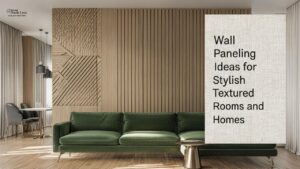
Vertical slat walls are one of the most popular modern wall paneling ideas because they add texture without feeling heavy. They can be made from wood, MDF, veneer, or acoustic panel products.
Use them behind:
- TV walls
- Sofas
- Beds
- Home office desks
- Console tables
- Fireplace surrounds
Vertical lines can make ceilings feel taller, which is helpful in rooms that feel low or boxed in.
Fluted Wall Panels
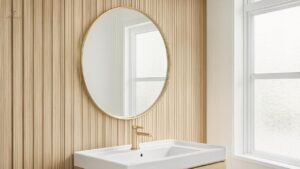
Fluted panels have rounded vertical grooves. They feel softer than sharp slat panels and look more refined.
They work especially well in:
- Modern bedrooms
- Luxury bathrooms
- Entryways
- Powder rooms
- TV walls
- Restaurant-style dining spaces
Fluted panels look beautiful in wood tones, soft white, mushroom, taupe, sage, or deep charcoal.
Geometric Wall Panels
Geometric designs use angled battens or shaped molding to create patterns. They can look bold and creative.
That said, geometric paneling can date faster than classic styles. Use it in rooms where you want drama, such as a media room, teen bedroom, or creative office.
Full-Height Flat Panels
Large flat panels can make a wall feel sleek and expensive. This style works well in contemporary homes where trim-heavy paneling would feel too traditional.
Try it with:
- Matte painted panels
- Veneer panels
- Large MDF sheets
- Hidden doors
- Integrated shelving
- Minimal shadow gaps
Acoustic Wood Panels
Acoustic-style wood panels combine design and sound absorption. They are often used in offices, media rooms, bedrooms, and open-plan living spaces.
They can help soften echo, though performance depends on the product and installation method.
Wood Wall Paneling Ideas
Wood instantly warms a room. Even a small amount can make a space feel more natural and comfortable.
Natural Oak Panels
Oak works beautifully in modern, Scandinavian, Japandi, and warm minimalist interiors. It feels light, calm, and clean.
Use oak panels with:
- Cream walls
- Stone accents
- Linen fabrics
- Black lighting
- Soft beige upholstery
- Light wood floors
Walnut Wall Panels
Walnut feels rich and dramatic. It is a strong choice for dining rooms, offices, libraries, and luxury bedrooms.
Use it carefully in small rooms because dark wood can make a space feel smaller if the lighting is poor.
Reclaimed Wood Paneling
Reclaimed wood adds history and texture. It suits rustic, farmhouse, industrial, and cabin-style spaces.
Use it on one feature wall rather than every wall, unless you want a very rustic look.
Painted Wood Paneling
Painted wood gives the texture of paneling while keeping the color flexible. It is a great choice when the natural wood tone does not match your floor or furniture.
Popular painted panel colors include:
- Soft white
- Warm gray
- Sage green
- Navy blue
- Charcoal
- Cream
- Mushroom
- Dusty blue
- Olive
Painted Wall Paneling Ideas
Paint can completely change the mood of paneling. The same molding can look classic in white, cozy in beige, bold in navy, or modern in black.
Same Color as the Wall
Painting panels and walls the same color gives a seamless, high-end look. This is great for bedrooms, dining rooms, and small spaces.
Two-Tone Wall Paneling
Two-tone walls usually use paneling on the lower half and a different paint or wallpaper above.
This works beautifully in:
- Dining rooms
- Nurseries
- Hallways
- Powder rooms
- Staircases
- Bedrooms
Dark Painted Paneling
Dark paneling adds drama. It works well in rooms where you want a cozy or moody feeling.
Try dark paneling in:
- Home offices
- Dining rooms
- Media rooms
- Bedrooms
- Reading nooks
Balance dark walls with warm lighting, mirrors, light rugs, or pale upholstery.
Soft Neutral Paneling
Soft neutral paneling feels timeless. Greige, warm white, oatmeal, clay, and mushroom shades are easier to live with than very stark white.
Houzz trend reporting has pointed to warm and earthy palettes as a continuing theme in 2025 design conversations, which fits the current move away from cold gray interiors.
Budget-Friendly Wall Paneling Options
You do not need a luxury budget to create a paneled look. Many affordable designs use trim, paint, and planning more than expensive materials.
DIY Board and Batten
This is one of the most approachable DIY paneling styles. You can use MDF strips, wood battens, construction adhesive, nails, caulk, primer, and paint.
Best for:
- Bedrooms
- Entryways
- Hallways
- Small dining rooms
- Accent walls
The secret is careful measuring. The math matters more than the material.
Peel-and-Stick Wall Panels
Peel-and-stick panels are quick and renter-friendly in some cases. They work best on smooth, clean walls.
They are useful for:
- Temporary updates
- Small accent walls
- Apartments
- Dorm-style spaces
- Low-commitment design tests
They may not last as long as real wood or MDF paneling, so check reviews before buying.
MDF Trim Molding
MDF molding is often cheaper than solid wood and paints well. It is a smart choice for picture frame molding, board and batten, and simple wall grids.
Do not use standard MDF in wet areas unless it is moisture-resistant and properly sealed.
Paint-Only Panel Illusion
You can create a paneled effect with paint alone by using two colors or taped borders. It will not have real texture, but it can add structure on a tight budget.
One Feature Wall
Paneling one wall instead of the whole room saves money and often looks better. The best feature walls are usually behind a bed, sofa, fireplace, dining table, or desk.
Wall Paneling Materials Compared
The material affects cost, durability, moisture resistance, finish, and installation difficulty.
| Material | Best For | Pros | Watch Out For |
|---|---|---|---|
| Solid wood | Premium interiors | Natural, durable, warm | Higher cost, movement with humidity |
| MDF | Painted paneling | Smooth finish, affordable | Not ideal for wet areas unless rated |
| Plywood | Modern flat panels | Strong, clean, versatile | Edges need finishing |
| PVC | Bathrooms, laundry rooms | Moisture-resistant | Can look less natural |
| Veneer panels | Modern wood walls | Real wood look | Needs careful installation |
| Acoustic panels | Offices, media rooms | Texture and sound softening | Product quality varies |
| Peel-and-stick panels | Temporary updates | Easy installation | May not last long |
| Molding trim | Classic designs | Flexible and affordable | Requires careful measuring |
Which Material Is Best?
For painted feature walls, MDF or trim molding is usually practical. For a natural wood look, veneer or solid wood panels feel warmer. For bathrooms and laundry rooms, moisture-resistant products are safer.
Color Ideas for Wall Paneling
Color decides whether paneling feels subtle or bold.
White Wall Paneling
White is classic and bright. It works especially well in cottages, coastal homes, bathrooms, and hallways.
Cream and Warm White
Warm whites feel softer than stark white. They pair beautifully with natural wood, brass, stone, and linen.
Sage Green
Sage green is calm and earthy. It works well in bedrooms, bathrooms, dining rooms, and entryways.
Navy Blue
Navy feels elegant and grounded. It is a strong choice for dining rooms, offices, and bedrooms.
Charcoal and Black
Dark paneling can look dramatic and modern. Use it with good lighting so the room does not feel flat.
Natural Wood
Natural wood tones are perfect when you want warmth without adding strong color.
Color Pairing Table
| Panel Color | Best Room | Good Pairings |
|---|---|---|
| Warm white | Hallway, bedroom | Oak, brass, linen |
| Sage green | Bathroom, dining room | Cream, walnut, black |
| Navy | Office, dining room | White, gold, leather |
| Charcoal | Media room, bedroom | Light rugs, warm lighting |
| Beige | Living room | Wood, stone, textured fabric |
| Walnut | Office, library | Cream, bronze, green |
| Pale blue | Bedroom, nursery | White, wicker, light wood |
Cost and Installation Factors
Wall paneling costs vary widely. A simple DIY trim wall may be affordable, while custom wood veneer, raised panels, or full-room millwork can cost much more.
HomeAdvisor reports that wall paneling installation can average around $2.50 to $40 per square foot, depending on material, size, wall conditions, and project complexity. It also lists wainscoting or beadboard installation commonly between $5 and $40 per square foot, with project totals influenced by room size, material, and location.
Main Cost Factors
| Cost Factor | Why It Matters |
|---|---|
| Wall size | Bigger walls need more material and labor |
| Material type | Solid wood costs more than MDF trim |
| Design complexity | Geometric and raised panels take longer |
| Wall condition | Uneven walls need prep work |
| Paint or stain | Finishing adds time and cost |
| Moisture rating | Bathroom-safe materials can cost more |
| Labor rates | Professional costs vary by region |
| Electrical outlets | Panels must be cut neatly around them |
DIY vs Professional Installation
DIY can work for simple molding, board and batten, and small feature walls. Professional installation is better for expensive wood panels, staircases, curved walls, full-room millwork, or walls with many outlets and corners.
Where to Spend More
Spend more on proper prep, clean cuts, good paint, and the right material for the room. Cheap paneling installed badly usually looks worse than plain walls.
Where to Save
Save by using MDF trim, painting instead of staining, paneling one wall, or choosing a simple grid layout instead of complex custom millwork.
Infographic: Wall Paneling Planning Checklist
Wall Paneling Planning Checklist
- Choose the room and feature wall
- Measure wall height and width
- Pick a style that matches the home
- Choose moisture-safe materials if needed
- Plan outlet and switch cuts
- Test paint or stain samples
- Keep spacing even
- Finish with caulk, primer, and clean paint lines
Wall Paneling Ideas by Home Style
The best paneling should feel like it belongs in the home.
Modern Home
Use vertical slats, fluted panels, flat panels, shadow gaps, or full-height painted panels.
Farmhouse Home
Use board and batten, beadboard, shiplap, or painted wood paneling.
Traditional Home
Use wainscoting, raised panels, picture frame molding, and chair rails.
Coastal Home
Use white beadboard, pale blue paneling, light wood, and soft natural textures.
Japandi Home
Use pale wood slats, simple flat panels, warm neutrals, and minimal detailing.
Industrial Home
Use dark wood, black painted panels, concrete-look surfaces, or metal-trimmed paneling.
Luxury Home
Use walnut, oak veneer, full-height panels, hidden doors, fluted wood, or custom millwork.
Small Room Wall Paneling Tips
Small rooms can absolutely use paneling, but scale matters.
Use Vertical Lines
Vertical paneling can make low ceilings feel taller.
Keep Colors Soft
Soft colors help the texture show without making the room feel cramped.
Avoid Overly Busy Patterns
A small room with heavy geometric paneling on every wall can feel chaotic.
Panel the Lower Half
Half-wall paneling gives character while keeping the upper wall open.
Use Mirrors With Paneling
A mirror over paneled walls adds light and depth, especially in entryways and powder rooms.
Wall Paneling for Feature Walls
A feature wall should have a reason. The best location is usually the wall that already draws attention.
Behind the Bed
This creates a built-in headboard effect and makes the bedroom feel finished.
Behind the Sofa
This gives the living room a designed backdrop.
Around the Fireplace
Paneling around a fireplace can make it feel more substantial.
Behind a Desk
A paneled office wall looks professional for video calls and daily work.
In the Entryway
A paneled entry makes the home feel welcoming from the first step inside.
Common Mistakes to Avoid
Even beautiful wall paneling ideas can look wrong if the details are rushed.
Choosing the Wrong Scale
Tiny panels on a large wall can look fussy. Oversized panels in a small room can feel awkward.
Ignoring Outlets and Switches
Plan cuts before installation. A panel layout that awkwardly hits outlets can look messy.
Skipping Wall Prep
Paneling does not hide everything. Bumpy walls, dust, moisture, or peeling paint can cause problems.
Using the Wrong Material in Bathrooms
Moisture can damage untreated wood or standard MDF. Use bathroom-appropriate materials.
Forgetting the Rest of the Room
Paneling should work with furniture, rugs, lighting, curtains, and flooring. It should not feel like a random decoration.
Overdoing Every Wall
Sometimes one paneled wall is stronger than four. Let the room breathe.
FAQs
What are the best wall paneling ideas for modern homes?
Vertical slat panels, fluted panels, flat wood veneer panels, painted full-height panels, and simple shadow-gap designs work beautifully in modern homes.
Is wall paneling still in style?
Yes. Wall paneling is still popular because it adds texture, warmth, and architectural detail. Current design interest in wood walls and tactile surfaces supports that trend.
What is the cheapest way to do wall paneling?
The cheapest option is usually DIY MDF trim, board and batten, picture frame molding, or a single painted feature wall.
Which wall is best for paneling?
Choose the wall that naturally acts as a focal point, such as behind a bed, sofa, fireplace, dining table, desk, or entry console.
Can wall paneling make a room look bigger?
Yes, if used carefully. Vertical lines can make ceilings feel higher, and light-colored paneling can add texture without making the room feel smaller.
Is MDF good for wall paneling?
MDF is good for painted paneling in dry rooms. For bathrooms, laundry rooms, or damp areas, use moisture-resistant materials and proper sealing.
Should wall paneling be lighter or darker than the wall?
It depends on the mood you want. Matching the wall creates a subtle custom look. Darker paneling feels dramatic. Lighter paneling feels bright and classic.
Can I install wall paneling myself?
Yes, simple styles like board and batten or picture frame molding can be DIY-friendly if you measure carefully. Complex wood panels or full-room millwork may need a professional.
What rooms look best with wall paneling?
Bedrooms, living rooms, dining rooms, hallways, bathrooms, entryways, offices, and staircases can all look great with the right paneling style.
Does wall paneling add value?
Good paneling can improve perceived value by making a room feel more finished and custom. Poor installation or trendy designs may not have the same effect.
Conclusion
The best wall paneling ideas are the ones that make a room feel more complete without fighting the rest of the home.
Start with the room’s purpose, then choose a style that fits the architecture, furniture, lighting, and budget. A soft bedroom may need simple painted panels. A modern living room may need vertical slats. A hallway may need durable wainscoting. A dining room may shine with classic molding.
Wall paneling does not have to be expensive or complicated to look beautiful. With good spacing, the right material, careful color choices, and clean finishing, even one paneled wall can make a plain room feel warm, thoughtful, and genuinely personal.