Introduction
Some homes look beautiful for a season, and then they start to feel cold, staged, or forgettable. <strong>rustic houses are different because they carry warmth, memory, texture, and a sense of being connected to the land.
That is why this style keeps pulling people back. Whether you love a quiet cabin in the woods, a stone cottage near the hills, or a modern farmhouse with weathered beams, rustic design feels personal. It is not about making a home look old. It is about making it feel lived in, calm, and deeply welcoming.
In a world full of glossy surfaces and fast design trends, rustic homes offer something softer. They invite you to slow down. They celebrate natural materials, handmade details, practical layouts, and cozy rooms that make ordinary moments feel a little richer.
This guide covers the style from the outside in: architecture, materials, interiors, layouts, budgets, mistakes, and modern updates. You will find clear ideas you can use for a new build, a renovation, or even a small room makeover.
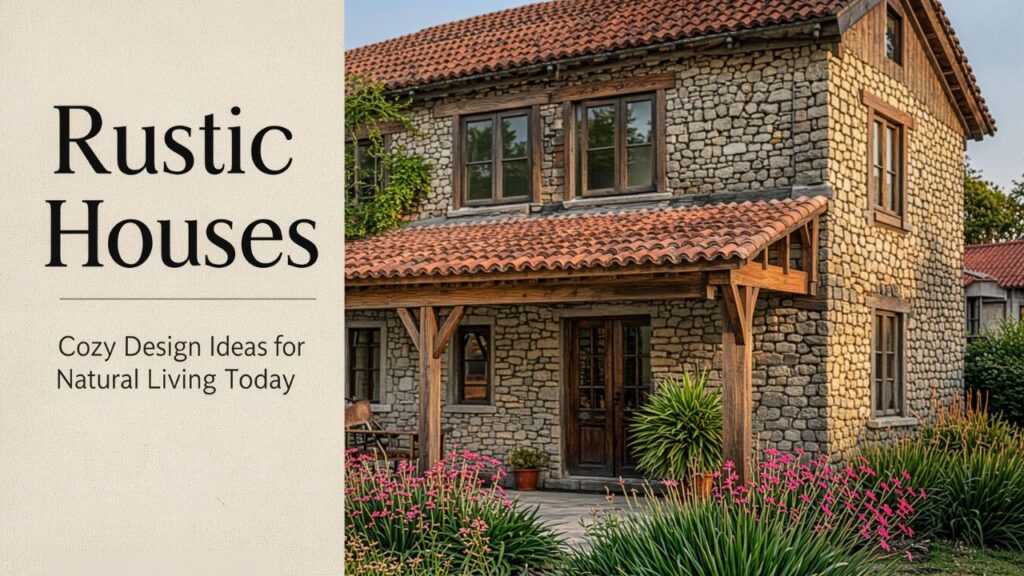
Table of Contents
- What Creates the Warm Rustic Feeling?
- The History and Character Behind Rustic Home Design
- Popular Rustic Home Types
- Exterior Design Ideas for a Natural Country Look
- Interior Design Elements That Create Rustic Comfort
- Best Materials for Long-Lasting Rustic Style
- Layout Ideas for Everyday Living
- Modern Rustic Design Without a Dated Look
- Budget, Value, and Long-Term Financial Insight
- Common Mistakes to Avoid
- Rustic House Maintenance Tips
- FAQs
- Conclusion
What Makes rustic houses Feel So Warm?
A rustic home is a house designed around natural texture, simple comfort, and a close relationship with its setting. Instead of hiding imperfections, it often celebrates them: visible knots in timber, uneven stone, handmade tiles, aged metal, and soft fabrics that look better with use.
At their best, rustic houses feel warm because they do not try too hard. The style comes from cabins, farmhouses, lodges, cottages, barns, ranch homes, and mountain retreats where materials were chosen for strength and availability. Wood was used because forests were nearby. Stone appeared because it was local. Large hearths were built because heat mattered.
That practical beginning still shapes the look today. A rustic kitchen feels right with open shelving, butcher-block counters, a farmhouse sink, and ceramic dishes. A bedroom feels restful with linen bedding, wood flooring, soft lighting, and a wool rug. The charm comes from honest materials, not decoration overload.
The History and Character Behind Rustic Home Design
Rustic architecture began with need rather than fashion. Early rural houses were built with the materials people could gather, cut, carry, and shape. Logs, timber, clay, lime plaster, fieldstone, and brick became part of daily life because they were practical.
In reality, the rustic look people love today is not one single style. It is a family of related looks. Some homes feel rugged and cabin-like. Others feel soft, elegant, and cottage-inspired. Some mix farmhouse, industrial, and modern elements.
Popular Types of rustic houses
Not every rustic home looks the same. Knowing the different versions helps you choose the right direction before you buy furniture, pick paint, or plan a renovation.
Log Cabin Homes
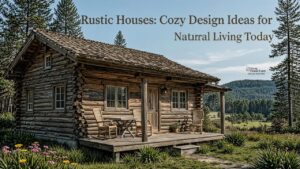
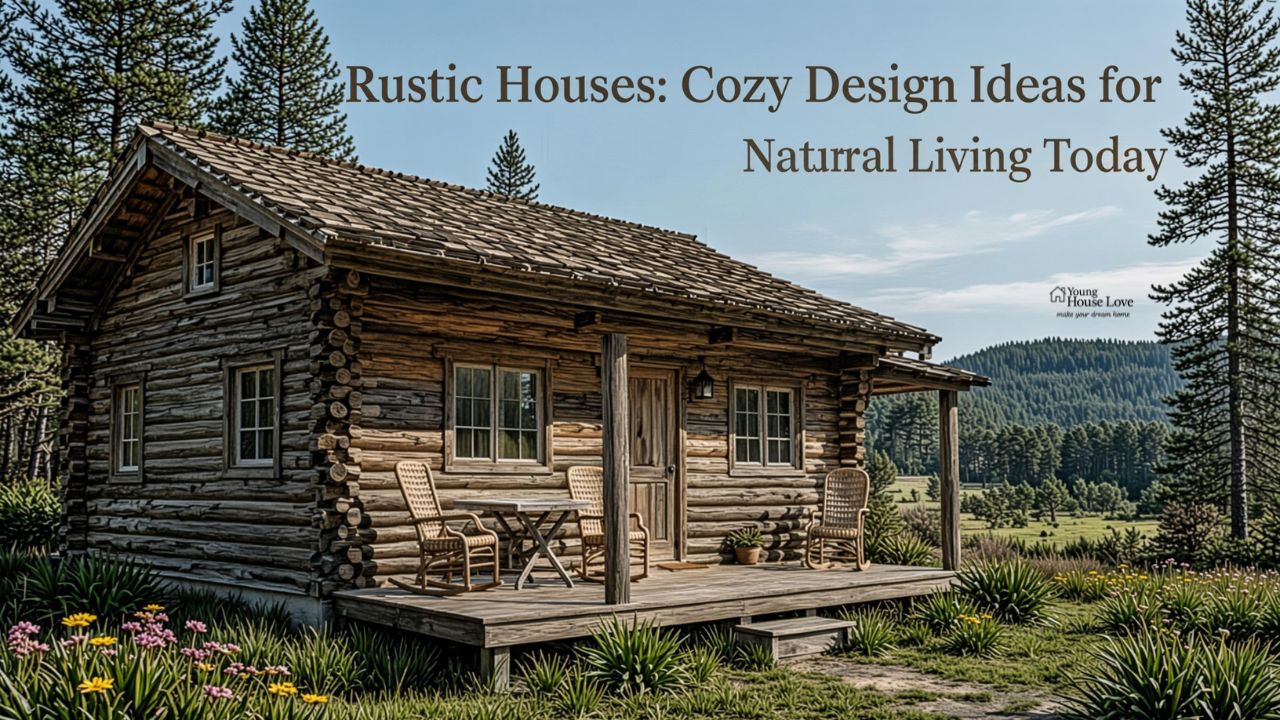
Log cabins are the most recognizable rustic home type. They often use horizontal log walls, heavy rooflines, stone chimneys, and compact floor plans. A small cabin can feel charming with one open living space, a sleeping loft, and a wood stove. A larger cabin may include vaulted ceilings, big windows, and wraparound decks.
Modern Farmhouse Homes
Modern farmhouse design blends rural character with brighter interiors. Think board-and-batten siding, gabled roofs, wide porches, apron-front sinks, shaker cabinets, oak floors, and black-framed windows.
Modern rustic houses often borrow from this look because it feels familiar and flexible. The trick is to keep it natural, not overly polished. Use real wood when possible, mix old and new pieces, and avoid filling every wall with signs or slogans.
Mountain Lodge Homes
Mountain lodge homes are larger, heavier, and more dramatic. They often include timber trusses, high ceilings, stone fireplaces, leather seating, and views of forests, lakes, or slopes.
This style works well when the house has generous volume. In a small suburban home, you can still borrow the mood through stone accents, layered textiles, warm lighting, and a deep earthy palette.
Stone Cottages
Stone cottages feel romantic, solid, and timeless. They may have thick walls, arched doorways, slate roofs, climbing plants, and smaller window openings. Inside, limewashed walls, vintage furniture, brass fixtures, and natural linens make the home feel collected rather than decorated.
A cottage approach is useful for anyone who wants rustic charm without a heavy cabin look.
Barn-Inspired Homes
Barn homes and barndominiums use large open interiors, simple forms, metal roofs, exposed framing, and flexible layouts. They are popular with people who want space for family living, workshops, hobbies, or rural land.
Exterior Design Ideas for a Natural Country Look
The exterior sets the tone before anyone steps inside. A rustic home should look as though it belongs to its land, even if it is newly built.
Use Natural Siding
Wood siding, cedar shakes, board-and-batten, stone veneer, brick, and limewashed finishes all work well. Choose a material that suits the climate. For example, cedar can look beautiful, but it needs the right finish and maintenance. Oregon State University Extension notes that unfinished wood exposed to direct sun can weather and turn gray as ultraviolet rays break down the surface; finishes with UV inhibitors, fungicide, and water repellent can improve protection.
Choose a Roof That Fits the Region
Metal roofs look excellent on cabins, barns, and mountain homes. Slate and clay can suit cottages. Asphalt shingles can still work when the color is muted and the roofline is simple.
A steep roof may look beautiful in snowy areas, while broad overhangs help protect walls and porches from rain and sun. The roof should not only match the style. It should answer the weather.
Add a Porch With Purpose
A porch is one of the most loved rustic features because it creates a gentle space between indoors and outdoors. It can hold rocking chairs, a small dining table, firewood storage, planters, lanterns, and boots.
For a small house, even a narrow front porch can soften the exterior. For a larger home, a wraparound porch can become the emotional center of the property.
Blend the Landscape
Rustic landscaping should feel relaxed, not overdesigned. Gravel paths, native plants, stone borders, timber steps, wildflowers, herbs, and simple outdoor lighting can make the home feel settled.
Avoid landscaping that fights the house. Bright plastic edging, overly formal hedges, or shiny modern fixtures can look disconnected next to natural materials.
Interior Design Elements That Create Rustic Comfort
Exposed Beams and Wood Ceilings
Wood beams give a room instant character. They can be structural, decorative, reclaimed, rough-sawn, or smooth. In high-ceiling spaces, beams make the room feel less empty. In lower rooms, lighter wood tones help keep the space open.
If your home cannot support real beams, box beams can create a similar effect. Just make sure the scale looks believable.
Stone Fireplaces
A fireplace often becomes the heart of rustic interiors. Natural stone, brick, or plaster surrounds can all work. The mantel can be reclaimed timber, limestone, or a simple painted shelf.
Earthy Colors
Rustic palettes usually come from nature. Warm white, cream, mushroom, clay, olive, charcoal, walnut, sand, rust, and soft black all fit well.
A good rule is to keep large surfaces calm and let texture carry the room. Use deeper colors in small doses through rugs, pillows, artwork, and pottery.
Handcrafted and Vintage Details
A rustic room feels better when not everything is new. Vintage chairs, aged mirrors, handmade bowls, woven baskets, iron hooks, and old wooden benches add soul.
Soft Lighting
Lighting can make or break the mood. Warm bulbs, shaded lamps, wall sconces, lantern-style pendants, and candlelight help rustic rooms feel calm at night.
[Infographic: Rustic house material palette showing wood, stone, linen, iron, leather, clay tile, wool, brass, and plaster with short notes on where each material works best.]
Best Materials for Long-Lasting Rustic Style
Rustic design depends on materials that age well. The goal is not perfection. The goal is durability, warmth, and a finish that can handle real life.
| Material | Where It Works Best | Why It Fits Rustic Style | Practical Note |
|---|---|---|---|
| Reclaimed wood | Beams, shelves, tables, accent walls | Adds age, grain, and character | Check for pests, nails, and proper treatment |
| Natural stone | Fireplaces, exterior walls, paths | Feels grounded and permanent | Use skilled installation to avoid water issues |
| Brick | Floors, fireplaces, backsplashes | Warm, textured, and traditional | Seal in wet or stain-prone areas |
| Limewash | Interior and exterior walls | Soft, breathable, old-world finish | Works best on suitable mineral surfaces |
| Iron | Railings, lights, hooks, handles | Adds contrast and strength | Choose matte or aged finishes |
| Linen and cotton | Curtains, bedding, upholstery | Softens hard surfaces | Easy to layer and replace |
| Wool | Rugs, throws, cushions | Warm, natural, and durable | Needs proper cleaning and moth care |
| Leather | Chairs, stools, handles | Ages beautifully with use | Condition when needed |
| Moisture is one of the biggest enemies of wood-heavy homes. The U.S. Forest Service Forest Products Laboratory reports that a large amount of timber is used each year to replace decayed wood in homes caused by moisture damage, which is a reminder that beauty and building science must work together. |
Layout Ideas for Everyday Living
A rustic layout should support comfort, not just style. Think about how people will move, cook, gather, rest, and store everyday items.
Open Kitchen and Living Area
Many rustic homes use an open kitchen, dining, and living space. This works because the kitchen often becomes the center of family life. A large table, island, or hearth can anchor the room.
Mudroom or Entry Zone
A mudroom is more than a luxury in a country-inspired home. It protects the rest of the house from shoes, bags, coats, pets, sports gear, and garden tools.
Cozy Bedrooms
Rustic bedrooms should feel quiet and grounded. Use soft bedding, wood nightstands, woven shades, warm lamps, and muted colors.
Avoid making the room too dark. If you already have heavy wood furniture, balance it with cream walls, pale bedding, or light curtains.
Practical Bathrooms
A rustic bathroom can include stone floors, wood vanities, aged brass, plaster walls, ceramic tile, and simple mirrors.
The practical side matters here. Bathrooms need strong ventilation and moisture-resistant finishes. The EPA explains that controlling moisture helps reduce mold and mildew, and proper ventilation helps keep indoor humidity at acceptable levels.
Flexible Outdoor Living
Decks, patios, fire pits, outdoor kitchens, and screened porches extend the rustic lifestyle. The more beautiful the setting, the more the house should create reasons to go outside.
For cold climates, add wind protection, durable seating, and a covered area. For hot climates, use shade, ceiling fans, light-colored fabrics, and stone or tile surfaces that handle heat.
How to Design rustic houses Without Making Them Look Old
A common fear is that rustic style will make a home feel dark, dated, or heavy. That happens when every choice is brown, bulky, and overly themed. A modern rustic home should feel fresh while still being warm.
Keep the Shell Simple
Start with simple bones: clean walls, balanced windows, good flooring, and a calm color palette. Then add rustic character through texture.
For example, pair white plaster walls with oak beams. Use a stone fireplace with a simple mantel. Choose black metal lights but keep their shapes clean. Mix a farmhouse table with modern dining chairs.
Balance Heavy and Light
The best rustic houses use contrast. If the ceiling has dark beams, keep walls lighter. If the floor is rough wood, choose soft curtains. If the sofa is deep leather, add linen pillows.
This push and pull keeps the home from feeling like a cave.
Use Fewer Themed Pieces
Rustic style can become cheesy when it relies on obvious props. You do not need signs that say “farmhouse,” fake wagon wheels, or too many animal motifs.
Use real items instead: a handmade ceramic lamp, a wool blanket, a vintage stool, a woven basket, or a simple iron hook. Quiet choices usually last longer.
Add Modern Comforts Carefully
Radiant floor heating, energy-efficient windows, smart thermostats, induction cooking, and high-performance insulation can all belong in a rustic home.
The U.S. Department of Energy says reducing air leakage can cut heating and cooling costs, improve comfort, improve durability, and support a healthier indoor environment. EPA ENERGY STAR also estimates that air sealing and insulation in areas such as attics, crawl spaces, and basement rim joists can save an average of 15% on heating and cooling costs in typical existing U.S. homes.
In simple words, the house can look old-world without performing like an old house.
Budget, Value, and Long-Term Financial Insight
Building or renovating in a rustic style can be affordable or expensive depending on material choices, site conditions, and labor. Reclaimed beams, full stone walls, custom cabinetry, and timber frame structures can raise costs. On the other hand, painted wood paneling, secondhand furniture, open shelving, simple porch details, and local stone accents can create a strong mood at a lower price.
The financial question is not only “What does it cost today?” It is also “Will it age well?” A rustic home with durable materials, a practical plan, and good energy performance can remain appealing for years. A home filled with short-lived trends may need another makeover sooner.
For scale, NAHB analysis of fourth-quarter 2024 data reported a median new single-family floor area of 2,205 square feet and an average of 2,417 square feet. Those numbers are not targets for everyone, but they show why planning matters: every added square foot affects materials, labor, heating, cooling, furniture, and maintenance.
Here is a simple cost-control guide:
| Budget Area | Spend More When | Save Money By |
|---|---|---|
| Structure | Beams, rooflines, and windows define the whole house | Keeping the footprint simple |
| Fireplace | It is the main living room feature | Using brick, plaster, or stone veneer instead of full-depth stone |
| Flooring | You want long-term durability | Choosing engineered wood or quality laminate in low-risk areas |
| Kitchen | It gets daily use | Mixing stock cabinets with custom hardware |
| Lighting | It shapes mood every night | Buying fewer, better fixtures |
| Furniture | Pieces will stay for years | Blending vintage finds with simple new upholstery |
| Exterior | Weather protection matters | Using accent stone rather than full stone cladding |
| If you are renovating, start with the bones before the decor. Fix moisture problems, insulation gaps, old wiring, poor drainage, and weak ventilation first. A beautiful room will not feel good if it is drafty, damp, or expensive to heat. |
Room-by-Room Rustic Ideas
A full house transformation can feel overwhelming, so it helps to think room by room.
Rustic Kitchen Ideas
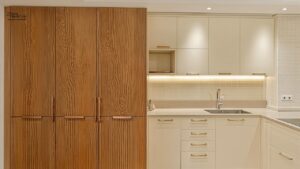
The kitchen should feel useful and welcoming. Try shaker cabinets, open wood shelves, stone or quartz counters, handmade tile, black or brass hardware, and a large table if space allows.
Small touches can work wonders. A wooden cutting board, ceramic jars, linen curtains, woven pendants, and a vintage runner can warm up a plain kitchen quickly.
Rustic Living Room Ideas
Focus on comfort first. Choose a sofa people actually want to sit on. Add a textured rug, a sturdy coffee table, a few lamps, and natural materials around the room.
If you have a TV, do not pretend it is not there. Frame it with built-ins, place it near dark shelving, or balance it with art and books. Real homes need real solutions.
Rustic Dining Room Ideas
A rustic dining room can be as simple as a wooden table, comfortable chairs, warm lighting, and one strong centerpiece. Mismatched chairs can look charming if they share a similar tone or shape.
For a small home, a built-in bench can save space and create a cozy nook.
Rustic Bedroom Ideas
Keep the bedroom soft. A wood bed, linen duvet, shaded lamps, wool rug, and quiet artwork can be enough.
Rustic Bathroom Ideas
Use texture in controlled ways. A wood vanity, stone-look tile, aged brass faucet, and framed mirror can create warmth without making the bathroom hard to clean.
Always choose materials that can handle moisture. A sealed wood vanity is better than raw wood near daily splashes.
Common Mistakes to Avoid
Rustic style is forgiving, but a few choices can make the house feel fake, dark, or uncomfortable.
Using Too Much Dark Wood
Dark wood can be beautiful, but too much of it absorbs light. Mix wood tones with cream walls, pale stone, linen, glass, or painted surfaces.
Ignoring Natural Light
Rustic rooms need sunlight. Large windows, glass doors, skylights, and light window treatments can keep the home from feeling heavy.
If the house has small windows, use mirrors, pale walls, and layered lighting.
Choosing Decor Instead of Materials
A rustic home should not depend on decorative signs or props. Invest in texture first: wood, stone, wool, linen, clay, leather, brick, and iron.
Forgetting Storage
Open shelves look beautiful until everything has nowhere to go. Add closed storage in kitchens, mudrooms, bathrooms, and living rooms.
Mixing Too Many Styles
Farmhouse, cabin, industrial, cottage, and lodge details can work together, but not all at once. Choose one dominant mood and two supporting accents.
Neglecting Comfort
A room can look amazing in photos and still feel awkward. Test chair heights, table sizes, walkway widths, lighting levels, and fabric choices. Rustic style should make life easier, not more staged.
Rustic House Maintenance Tips
Natural materials need care. The good news is that small, regular habits prevent expensive repairs.
Protect Wood From Moisture
Check gutters, downspouts, flashing, deck connections, window trim, and exterior siding. Water should move away from the house, not sit against wood.
Inside, watch for condensation, musty smells, soft spots, and peeling finishes. These signs should be handled early.
Keep Air Moving
Good ventilation protects comfort and indoor air quality. This matters in kitchens, bathrooms, laundry rooms, crawl spaces, and attics.
The EPA notes that mold can grow on wet materials such as wood, drywall, carpet, and furniture if they remain wet for more than 24 hours after flooding, which shows why quick drying and moisture control matter.
Refresh Finishes
Exterior wood may need staining, sealing, or painting depending on climate and exposure. South- and west-facing walls often weather faster because they receive stronger sun.
Interior wood floors may need rugs in high-traffic areas, felt pads under furniture, and occasional refinishing.
Inspect Stone and Masonry
Stone and brick are strong, but mortar joints can crack over time. Check fireplaces, chimneys, foundation walls, and exterior stonework. Small repairs are easier than major rebuilds.
Choose Materials That Match Your Lifestyle
FAQs
Are rustic houses expensive to build?
rustic houses can be expensive when they use custom timber frames, full stone exteriors, large fireplaces, and remote sites. They can also be budget-friendly if you use a simple footprint, local materials, reclaimed pieces, and rustic accents instead of costly structural details.
What colors work best in a rustic home?
Warm whites, cream, clay, olive, mushroom, charcoal, soft black, walnut, rust, and stone gray all work well. The safest approach is to choose colors found in nature and then layer texture through wood, fabric, metal, and stone.
Can a small house have rustic style?
Yes. Small homes often look wonderful with rustic details because texture makes them feel cozy. Use light walls, slim furniture, open shelves, woven baskets, wood accents, and warm lighting so the space feels charming instead of crowded.
What is the difference between rustic and farmhouse style?
Rustic style is broader and often more rugged, using wood, stone, leather, iron, and earthy finishes. Farmhouse style is usually brighter and more agricultural, with porches, apron sinks, shaker cabinets, and simple rural details.
How do I make a rustic home look modern?
Use clean lines, fewer decorative pieces, lighter walls, simple lighting, and a balanced material palette. Pair rough wood with smooth plaster, old furniture with modern seating, and stone accents with uncluttered rooms.
Is reclaimed wood safe to use indoors?
Reclaimed wood can be safe, but it should be checked, cleaned, and prepared correctly. Watch for nails, pests, lead paint, chemical treatments, moisture damage, and odors. For structural use, ask a qualified professional.
What flooring works best for a rustic house?
Wood flooring is the classic choice, but stone, brick, slate, engineered wood, and high-quality wood-look tile can also work. Choose based on the room, climate, budget, and maintenance needs.
Can rustic design work in a city home?
Absolutely. You do not need a rural setting. A city apartment or townhouse can feel rustic with wood shelves, linen fabrics, earthy colors, handmade ceramics, vintage furniture, warm lamps, and a few natural textures.
Conclusion
<strong>rustic houses</strong> stay popular because they speak to something simple: people want homes that feel warm, honest, and connected to real life. The style is not about copying a cabin or filling rooms with country decor. It is about choosing natural materials, useful layouts, soft lighting, and details that age with grace.
If you are building, keep the structure simple and the materials durable. If you are renovating, start with comfort, moisture control, insulation, and light before buying decor. If you are only refreshing one room, begin with texture: wood, linen, stone, clay, wool, or iron.
A beautiful rustic home does not need to be perfect. In fact, the small imperfections are often what make it memorable. A worn table, a sunny porch, a stone hearth, a handmade bowl, and a quiet corner to rest can do more than any trend. That is the real charm of rustic living.