Introduction
Some styles fade because they were built for a moment. Others stay because they understand how people actually want to live. That is the quiet power of mid century modern: it feels nostalgic, practical, elegant, and surprisingly current all at once.
If you have ever loved a low walnut cabinet, a sculptural lounge chair, a clean-lined sofa, or a sunlit room with big windows and almost no clutter, you have already felt its pull. This style matters because it offers something many homes need today: warmth without fuss, function without coldness, and beauty that does not beg for attention.
Britannica notes that Charles and Ray Eames used materials such as fiberglass and molded plywood in furniture, while Eero Saarinen used fiberglass-reinforced polyester and cast aluminum for designs like the Tulip chairs and table. That spirit of material experimentation is one reason the style still feels fresh rather than dusty.
This guide walks through the history, furniture, colors, layouts, lighting, costs, styling ideas, and common mistakes so you can use the look naturally at home without turning your living room into a time capsule.
Table of Contents
- What Is mid century modern?
- Why This Style Still Works Today
- Key Features of the Look
- Furniture, Sofas, and the Dune Couch Connection
- Colors, Materials, and Textures
- Room-by-Room Styling Ideas
- Lighting, Art, Rugs, and Accessories
- Costs, Budgeting, and Financial Insights
- Personal Background, Career Journey, Achievements, and Net Worth Context
- Common Mistakes to Avoid
- FAQ
- Conclusion
What Is mid century modern?
mid century modern is a design style rooted in the middle decades of the 20th century, especially the postwar period when architecture, furniture, and interiors shifted toward clean lines, practical living, new materials, and a closer relationship between indoors and outdoors.
A simple definition would be this: it is a warm, functional modern style built around simplicity, honest materials, organic shapes, low profiles, and human comfort. It is modern, but not sterile. It is vintage, but not fussy.
The look became especially influential in homes because it matched changing lifestyles. Families wanted open living areas, efficient furniture, more natural light, easier movement, and rooms that felt casual rather than overly formal. The Library of Congress describes builders adopting modernist elements such as low horizontal profiles, wide roof overhangs, open interior plans, and extensive use of glass.
In furniture, the style favored pieces that looked light, useful, and sculptural. Chairs had tapered legs. Sofas sat lower. Tables were simple. Cabinets used rich wood grain instead of heavy ornament. The whole idea was to remove unnecessary decoration and let proportion, material, and form do the work.
A clear definition
At home, this style usually means clean-lined furniture, warm woods, practical layouts, simple silhouettes, large windows where possible, textured fabrics, graphic art, and a mix of straight lines with soft organic curves.
It does not mean every piece has to be vintage. In fact, the most livable homes mix original or vintage-inspired pieces with contemporary comfort. That balance is what keeps the look from feeling like a museum set.
Why mid century modern Still Works Today
The style still works because it solves real design problems. Many homes need furniture that looks elegant but does not dominate the room. Many people want color, but not chaos. Many rooms need storage, but not bulky cabinets. This style answers all of that with restraint.
It also fits the way people live now. Open-plan spaces, work-from-home corners, compact apartments, family living rooms, and indoor-outdoor lifestyles all benefit from furniture that is flexible, scaled well, and visually light.
The Eames House, also known as Case Study House #8, is a useful symbol of this thinking. The Eames Foundation explains that the first plan was designed in 1945 by Charles Eames and Eero Saarinen and used prefabricated materials ordered from industrial and commercial catalogs. That approach says a lot about the era: design was creative, yes, but also practical, experimental, and connected to modern production.
At its best, mid century modern is not about copying the 1950s. It is about keeping the principles that still make sense: good proportions, everyday usefulness, warmth, and a respect for materials.
Why homeowners love it
- It feels clean without feeling empty.
- It pairs well with vintage and new furniture.
- It works in apartments, ranch homes, townhouses, and modern builds.
- It uses wood, leather, wool, glass, metal, and natural textures beautifully.
- It can be colorful or neutral.
- It makes small rooms feel lighter because many pieces sit on raised legs.
- It looks stylish without needing constant trend updates.
The emotional appeal is just as important. There is something reassuring about a room where every object seems to have a purpose. Nothing feels random. Nothing feels overworked.
Key Features of the Look
To style this look well, you need to understand its ingredients. The magic is not one famous chair or one orange sofa. It is the way the pieces relate to each other.
Clean lines
The style uses straight, confident lines without heavy carving or ornate detail. Sideboards, sofas, desks, and tables often have simple shapes that let the material stand out.
Clean lines are especially useful in busy homes. They calm the room visually. Instead of competing for attention, the furniture supports daily life.
Organic shapes
Although the style is known for clean geometry, it also loves curves. Think kidney-shaped coffee tables, molded chairs, rounded lamps, boomerang forms, curved sofas, and soft-edged armchairs.
That mix of straight and curved lines is what keeps the look human. A room with only rectangles can feel stiff. Add a round table, a sculptural chair, or a curved lamp, and the room relaxes.
Tapered legs
Tapered wooden legs are one of the easiest signs of the style. Sofas, chairs, credenzas, desks, and nightstands often lift off the floor on slim legs.
This creates visual space underneath furniture, which helps rooms feel airier. It is especially helpful in small living rooms and bedrooms.
Warm woods
Walnut, teak, rosewood, oak, and other warm woods are central to the look. The grain matters. Instead of covering wood with heavy decoration, the design lets the natural pattern become part of the beauty.
Use wood carefully. Too many matching wood pieces can make a room feel like a showroom. Mix wood tones gently, or balance them with upholstery, metal, stone, and textiles.
Indoor-outdoor connection
Many homes from the period used glass, patios, courtyards, overhangs, and open plans to connect interior life to nature. NPS preservation material on mid-century commercial modernism also notes the importance of plate glass in mid-century designs, especially for open fronts and clear visual connection.
In everyday interiors, you can echo this idea with plants, natural light, low window treatments, earthy colors, and furniture that does not block views.
Furniture, Sofas, and the Dune Couch Connection
Furniture is where most people start. A good sofa, lounge chair, coffee table, or sideboard can shift an entire room toward the style without requiring a full renovation.
Sofas
A classic sofa in this style is often low, clean, and raised on legs. It may have a tight back, slim arms, tufting, or simple cushions. Common upholstery colors include cream, camel, olive, rust, charcoal, navy, mustard, and textured neutrals.
However, modern comfort matters. Some original vintage sofas look beautiful but sit too low or feel too firm for everyday lounging. If you have children, pets, or movie nights, choose a piece that respects the style but supports real life.
This is where a “Dune couch” search fits naturally. Whether you mean a specific sofa name or a soft, desert-toned couch style, the idea works well with this aesthetic when the sofa has a low profile, rounded form, neutral upholstery, and relaxed sculptural shape. Pair it with walnut, a round coffee table, woven texture, and warm lighting, and it can feel modern without losing the retro spirit.
Lounge chairs
Lounge chairs are the jewelry of the room. The Eames Lounge Chair, Saarinen Womb Chair, shell chairs, spindle chairs, and wooden lounge chairs all represent different expressions of comfort and form.
Britannica highlights Eames and Saarinen’s experimentation with molded plywood, fiberglass, cast aluminum, and related materials, which helps explain why chairs from this era feel sculptural rather than simply practical.
Coffee tables
Look for round, oval, triangular, kidney-shaped, or slim rectangular tables. Wood, glass, stone, and metal can all work.
A common mistake is choosing a coffee table that is too bulky. The table should feel connected to the sofa but not visually heavy. If the sofa is blocky, choose a lighter table. If the sofa is very slim, you can use something more sculptural.
Credenzas and storage
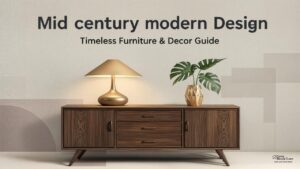
A long wooden credenza is one of the most useful pieces you can buy. It works as a media console, dining room storage, hallway anchor, or bedroom dresser.
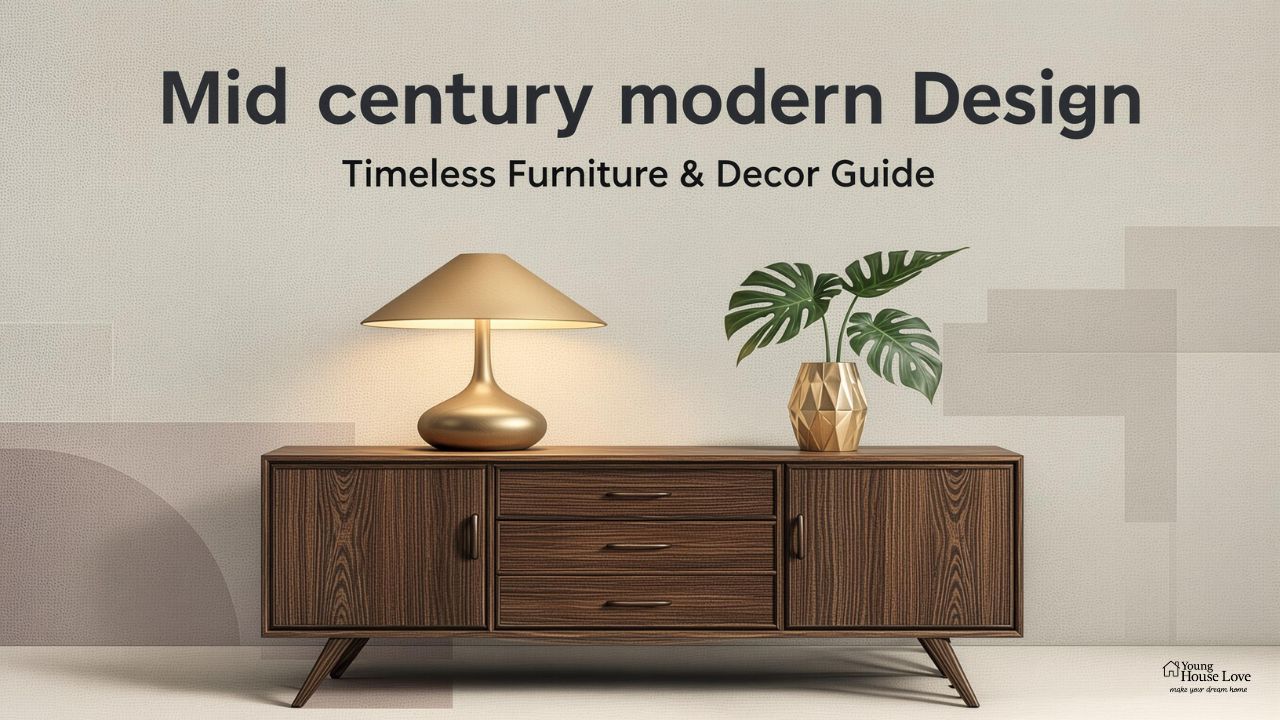
Look for sliding doors, simple pulls, raised legs, and warm wood grain. A good credenza brings instant maturity to a room.
Dining furniture
Dining tables are often simple, with rounded corners or tapered legs. Chairs may be wood, molded shell, upholstered, or mixed.
The trick is comfort. Some vintage-inspired dining chairs look wonderful but feel punishing after 20 minutes. Sit before you buy if possible.
Colors, Materials, and Textures
The color palette can go two ways: warm and earthy, or bright and graphic. Both are historically connected to the style, but most modern homes look best with a softer interpretation.
Classic colors
Classic colors include mustard, olive, burnt orange, avocado, teal, walnut brown, cream, rust, ochre, charcoal, and warm white. These shades feel nostalgic, but they can become too themed if used all at once.
A better approach is to choose one or two strong colors and keep the rest grounded. For example, a walnut sideboard, cream sofa, olive chair, and rust pillow can feel rich without becoming costume-like.
Modern neutral version
For a quieter look, use warm white walls, walnut furniture, beige upholstery, black accents, wool rugs, leather, linen, and ceramic lighting. This version feels timeless and easier to live with.
It also pairs well with contemporary furniture, including curved sofas, organic coffee tables, boucle chairs, and modern lighting.
Materials
| Material | How It Works | Best Use |
|---|---|---|
| Walnut | Rich, warm, classic | Credenzas, tables, beds |
| Teak | Golden and vintage-friendly | Cabinets, dining furniture |
| Leather | Adds age and depth | Lounge chairs, sofas, ottomans |
| Wool | Softens clean lines | Rugs, throws, upholstery |
| Glass | Keeps rooms visually open | Coffee tables, lamps |
| Brass | Adds warmth and glow | Lighting, hardware |
| Black metal | Creates structure | Chair frames, lamps, table legs |
| Ceramic | Adds handmade texture | Lamps, vases, bowls |
Texture matters
Texture prevents the style from feeling flat. Use a wool rug, woven chair, linen curtain, leather cushion, ceramic vase, or nubby throw.
If everything is smooth wood and plain upholstery, the room may feel staged. Texture makes it feel lived in.
Room-by-Room Styling Ideas
The style works in almost every room, but the balance changes depending on function.
Living room
A mid century modern living room usually starts with a low sofa, warm wood storage, a simple coffee table, layered lighting, and a rug that anchors the seating area.
Try this formula: cream or camel sofa, walnut credenza, round coffee table, olive lounge chair, wool rug, globe lamp, and one large piece of abstract art. It feels classic but not trapped in the past.
For a Dune couch look, use a sand-colored or taupe sofa with rounded edges. Add a walnut side table, black metal floor lamp, textured cream rug, and a rust or ochre accent pillow. The result feels desert-warm, modern, and relaxed.
Bedroom
In the bedroom, keep the furniture low and calm. A wooden platform bed, slim nightstands, warm lamps, and simple bedding work beautifully.
Use colors such as cream, clay, olive, dusty blue, tobacco, or warm white. Add a vintage-style dresser if the room needs character. Avoid overdecorating; the style looks best when the room can breathe.
Dining room
A simple wood table with sculptural chairs is enough. Add a pendant light above the table and a sideboard along one wall.
If you want color, use it in artwork, chair upholstery, or a rug. Keep the table and sideboard timeless.
Kitchen
You do not need a full retro kitchen. Flat-front cabinets, warm wood, simple hardware, terrazzo, ceramic tile, globe pendants, and open shelving can all suggest the look.
Avoid making the kitchen too theme-heavy with bright appliances unless you truly love that style long-term. A subtle approach ages better.
Home office
This style is perfect for a home office because it values function. Use a slim wood desk, comfortable chair, task lamp, and practical storage.
Add one personal object, such as a ceramic bowl, framed print, or small plant. The goal is focus, not clutter.
How to Style mid century modern Rooms
The easiest way to style this look is to build around three anchors: one wood piece, one clean-lined upholstered piece, and one sculptural object.
For example, in a living room, that might be a walnut credenza, a low sofa, and a globe floor lamp. In a bedroom, it might be a wood bed, linen bedding, and a ceramic table lamp.
Start with scale
Furniture should feel low, open, and correctly sized. Huge overstuffed sofas can fight the look. Tiny vintage chairs can feel impractical in a modern family home.
Measure before buying. Leave enough walking space. Let the furniture sit slightly away from walls if the room allows.
Mix eras carefully
A room filled only with vintage-style pieces can look like a showroom. Mix in contemporary art, modern textiles, or newer lighting to keep it fresh.
The style is friendly to contrast. A vintage credenza can sit under a modern abstract painting. A new sofa can pair with an old teak coffee table. A simple IKEA piece can work beside a designer chair if the proportions are right.
Use negative space
Do not fill every corner. This style depends on breathing room. Let the legs of a chair show. Let the wall around the artwork remain open. Let the coffee table hold two or three thoughtful items instead of ten.
Lighting, Art, Rugs, and Accessories
Accessories should support the room, not bury it. The style loves sculptural shapes, but it also loves restraint.
Lighting
Lighting is one of the fastest ways to create the mood. Look for globe lamps, tripod floor lamps, arc lamps, cone shades, saucer pendants, brass fixtures, and ceramic table lamps.
A single overhead light is rarely enough. Use a floor lamp near a chair, a table lamp on a sideboard, and a pendant or ceiling fixture for general light.
Art
Graphic art, abstract prints, line drawings, geometric pieces, vintage posters, and large-scale paintings all work.
Choose art that has confidence. One large piece often looks better than a cluster of tiny frames. If the room is neutral, art is a good place to bring in color.
Rugs
Rugs soften the clean lines. Wool, flatweave, geometric, Moroccan-inspired, shag, and simple textured rugs can all work.
Make sure the rug is large enough. A tiny rug under a coffee table can make the room feel unfinished. Ideally, at least the front legs of the sofa and chairs should sit on the rug.
Accessories
Use fewer, stronger accessories: a ceramic vase, sculptural bowl, stack of design books, plant, tray, or vintage clock.
Plants are especially important because they connect to the indoor-outdoor spirit. Snake plants, rubber plants, fiddle leaf figs, pothos, and palms all work if the light conditions are right.
Costs, Budgeting, and Financial Insights
The cost of creating this look varies widely. You can build it slowly with secondhand furniture and paint, or spend heavily on authentic vintage pieces, designer classics, and custom upholstery.
The good news is that the style rewards patience. Because many pieces are simple and durable, you do not need to buy everything at once. A single great credenza, chair, or lamp can set the tone.
Budget planning table
| Budget Level | Best Focus | What to Buy First |
|---|---|---|
| Low | Small styling changes | Lamps, art, pillows, plants |
| Moderate | Key furniture swap | Coffee table, nightstands, rug |
| Medium | Room refresh | Sofa, credenza, lighting, paint |
| High | Collector approach | Vintage originals, designer classics |
| Luxury | Full design scheme | Custom furniture, built-ins, art |
Where to spend more
Spend more on sofas, lounge chairs, dining chairs, and storage pieces. These items get used often and affect the whole room.
A cheap chair that looks good but feels terrible is not a win. Comfort is part of good design.
Where to save
Save on accessories, prints, side tables, small lamps, and secondhand finds. Many thrift stores, estate sales, and online marketplaces have pieces that fit the look with a little patience.
Do not be afraid to refinish or reupholster. A tired chair with great bones can become a favorite piece.
Financial value
This style tends to hold interest because it is not tied to one micro-trend. Well-made wood furniture and classic silhouettes often have longer visual life than trend-heavy pieces.
That does not mean every vintage item is valuable. Condition, maker, material, rarity, and authenticity matter. Buy because you love and will use the piece, not because you assume it will appreciate.
Personal Background, Career Journey, Achievements, and Net Worth Context
This topic is not about one living public figure, so personal net worth is not directly applicable. The more useful background is the design movement and the people who shaped it.
Designers such as Charles and Ray Eames, Eero Saarinen, Florence Knoll, George Nelson, Hans Wegner, Arne Jacobsen, and many others helped define the furniture and architecture language people still love today. Their careers often crossed architecture, industrial design, craft, and manufacturing.
The Eames House story captures that cross-disciplinary spirit. The Eames Foundation notes that its first plan used prefabricated industrial materials, and the house became one of the most recognized examples of modern domestic design.
Their achievement was not only making attractive objects. It was changing how people thought about everyday living: chairs could be comfortable and sculptural, storage could be elegant and practical, and homes could feel open, modern, and deeply human.
Financially, the movement created lasting value in furniture, architecture, publishing, restoration, and collectibles. Original signed pieces by famous designers can command high prices, but the broader value is cultural. The ideas are still used because they work.
For homeowners, the best financial insight is simple: invest in pieces with good proportion, solid construction, and daily usefulness. A well-made wooden cabinet or comfortable chair will outlast a room full of trendy accessories.
Common Mistakes to Avoid
This style looks simple, which makes people underestimate it. The mistakes usually happen when the room becomes too literal, too empty, or too themed.
Buying everything at once
A room filled with matching retro-inspired furniture can feel flat. Collect slowly. Mix materials. Add personal pieces.
Confusing vintage with old
Not every old piece is good. Some vintage furniture is beautifully made. Some is uncomfortable, damaged, or poorly proportioned. Judge the piece, not just the era.
Ignoring comfort
A chair can be iconic and still wrong for your body. Sit before buying when possible. Choose upholstery and seat depth that fit real life.
Overusing orange and avocado
Those colors can be wonderful, but too much can feel like a costume. Use them as accents unless you intentionally want a bold retro room.
Forgetting softness
Wood, glass, and metal need textiles. Add rugs, curtains, pillows, throws, and upholstered pieces so the room feels welcoming.
Making the room too sparse
Modern does not mean empty. Add books, art, lamps, plants, and meaningful objects. The room should feel edited, not abandoned.
Ignoring architecture
If your home is not a mid-century ranch or modernist house, that is fine. But adapt the style to your architecture. A Victorian home may need a softer mix; a new apartment may need more texture and warmth.
FAQ
Is mid century modern still popular?
Yes. The style remains popular because it combines clean lines, warm materials, practical furniture, and timeless proportions. It can look vintage, modern, or quietly luxurious depending on how it is styled.
What colors work best with this style?
Walnut brown, cream, warm white, olive, mustard, rust, teal, charcoal, camel, and burnt orange all work well. For a modern version, use neutrals with one or two warm accent colors.
What furniture should I buy first?
Start with a sofa, lounge chair, credenza, coffee table, or dining set. Choose the piece that anchors the room most visibly. For many living rooms, that means the sofa or media console.
Can I mix this style with modern furniture?
Yes. In fact, mixing is often better than copying the era exactly. Pair vintage-inspired furniture with contemporary art, modern lighting, or softer textiles for a fresher look.
Is a Dune couch good for this style?
A Dune couch can work if it has the right qualities: low profile, soft sculptural shape, neutral upholstery, and relaxed proportions. Pair it with warm wood, a simple coffee table, and textured accents.
What is the difference between Scandinavian and mid-century style?
They overlap, but Scandinavian design usually feels lighter, softer, and more craft-focused, with pale woods and gentle minimalism. American mid-century design often includes bolder shapes, richer woods, and more graphic contrast.
How do I avoid making my room look dated?
Use fewer retro colors, mix old and new pieces, choose comfortable furniture, and avoid filling the room with only period-style accessories. Keep the principles, not every cliché.
What lighting fits the look?
Globe lamps, tripod lamps, arc floor lamps, cone pendants, saucer lights, brass fixtures, and ceramic table lamps all fit beautifully. Warm bulbs are usually best.
Can this style work in a small apartment?
Yes. Raised-leg furniture, slim storage, simple silhouettes, and warm woods are excellent for small spaces. Choose compact pieces and avoid oversized sectionals unless the room can handle them.
What materials should I look for?
Walnut, teak, oak, leather, wool, glass, brass, black metal, ceramic, and textured upholstery are all strong choices. The best rooms mix several materials without feeling busy.
Conclusion
mid century modern remains loved because it respects both beauty and daily life. It gives you clean lines, warm wood, sculptural furniture, practical storage, and rooms that feel open without feeling cold.
The secret is not to copy the past too literally. Use the principles: proportion, simplicity, comfort, material honesty, and a connection to light and nature. Then add your own life through art, books, textiles, plants, and pieces that mean something to you.
Done well, this style does not feel like a trend. It feels like a room that has learned to breathe.