Introduction
Some kitchens feel bright but flat. Others feel dramatic but too heavy. The sweet spot often sits right in the middle, and that is where dark countertops with light cabinets can look beautiful.
This pairing works because it gives the kitchen contrast, balance, and depth. Light cabinets keep the room open and fresh, while dark counters ground the space and add a more finished, expensive feeling.
It also matters in real life. Countertops take daily abuse from coffee, pans, crumbs, water, oil, and quick family meals. Cabinets shape the largest visual surface in the kitchen. When both work together, the whole kitchen feels cleaner, calmer, and more intentional.
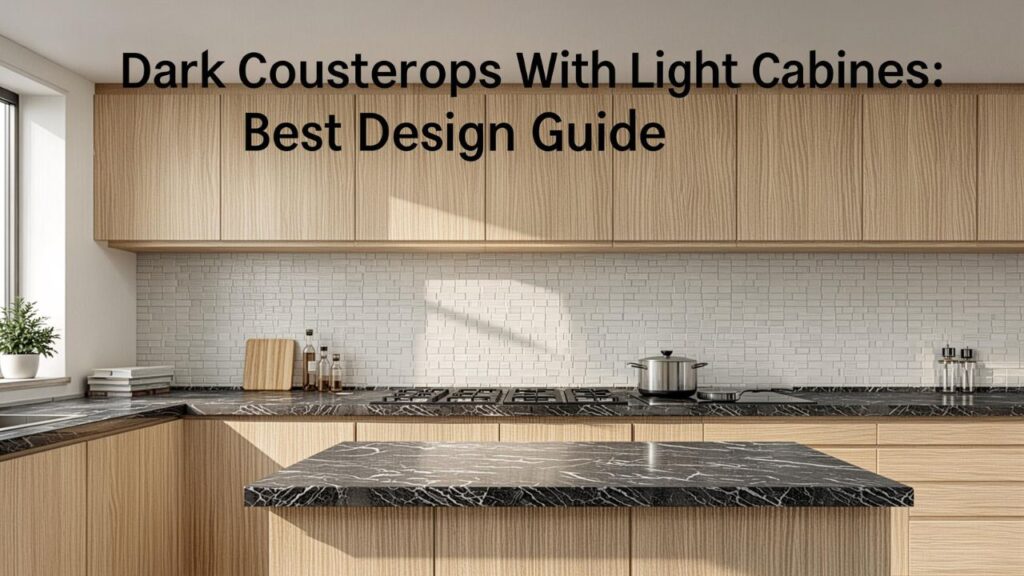
Table of Contents
- Why Dark Countertops With Light Cabinets Work
- Best Cabinet Colors for Dark Countertops
- Best Dark Countertop Materials
- Kitchen Styles That Suit This Look
- Backsplash Ideas for Dark Countertops With Light Cabinets
- Flooring, Hardware, and Lighting Choices
- Cost and Budget Planning
- Small Kitchen Design Tips
- Common Mistakes to Avoid
- Industry Background and Financial Insights
- FAQs
- Conclusion
Why Dark Countertops With Light Cabinets Work
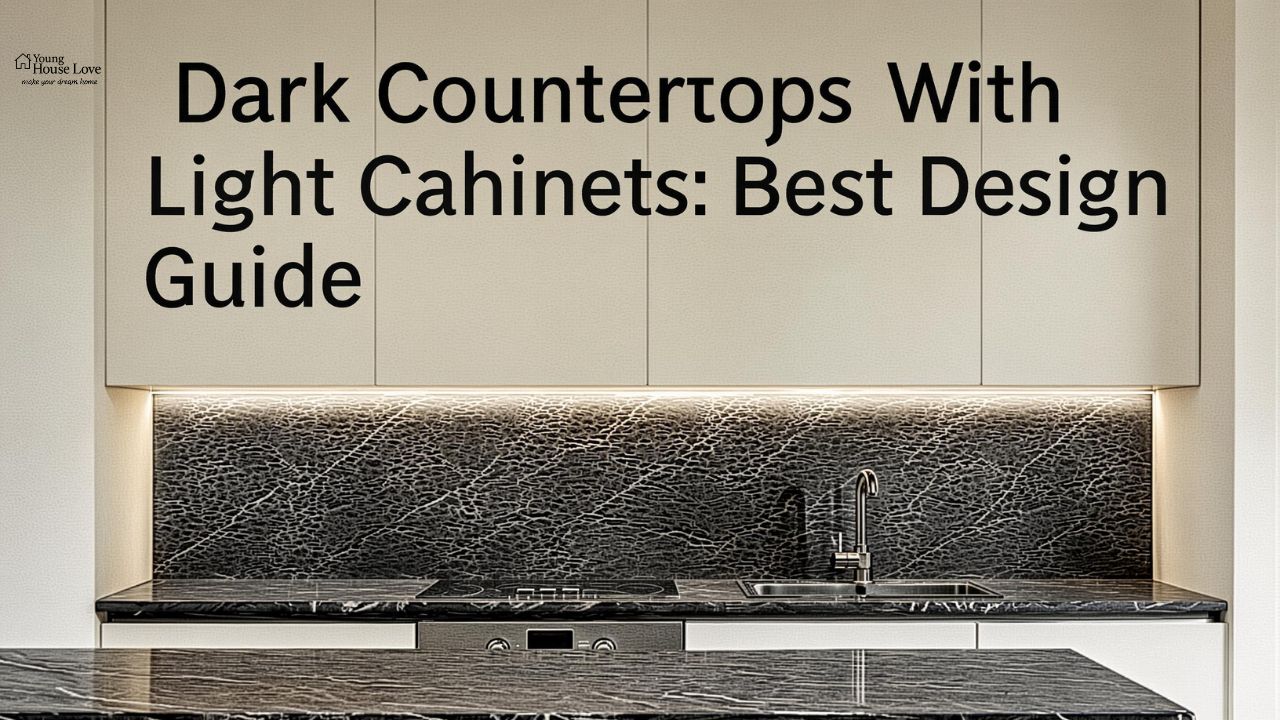
Dark countertops with light cabinets work because they create contrast without making the kitchen feel closed in. The cabinets reflect light and keep the room feeling airy. The countertops add weight, definition, and a clear horizontal line.
Designers often use contrast to guide the eye. A white, cream, greige, or pale wood cabinet can feel soft and open. Add a black, charcoal, soapstone, dark granite, or deep quartz countertop, and suddenly the kitchen has structure.
This is why the combination feels timeless. It can look modern, traditional, farmhouse, transitional, coastal, or luxury depending on the exact materials. A white shaker kitchen with black granite feels classic. A flat-panel oak kitchen with dark quartz feels modern and warm. A cream cabinet with honed soapstone feels quiet and old-world.
In recent kitchen trend reporting, the NKBA noted that natural materials, wood-grain cabinetry, quartz, quartzite, slab backsplashes, and warmer minimalism continued to shape kitchen design. That supports why this balanced cabinet-and-countertop pairing still feels current rather than dated.
Best Cabinet Colors for Dark Countertops
The light cabinet color controls the mood of the kitchen. White is the most popular choice, but it is not the only one.
| Cabinet Color | Best Countertop Pairing | Overall Feel |
|---|---|---|
| Pure white | Black quartz, black granite | Crisp, clean, high contrast |
| Warm white | Soapstone, charcoal quartz | Softer and more welcoming |
| Cream | Dark brown granite, black marble-look quartz | Traditional and cozy |
| Light gray | Charcoal quartz, dark concrete-look counters | Modern and calm |
| Greige | Deep gray or brown-black countertops | Warm transitional style |
| Pale oak | Black quartz, dark quartzite | Natural and modern |
| Light blue-gray | Honed black stone, dark gray quartz | Coastal and refined |
| Soft sage | Dark soapstone, charcoal counters | Earthy and charming |
White Cabinets
White cabinets are the easiest match for dark counters. They brighten the room and make the countertop stand out. This pairing works especially well with black hardware, brass pulls, stainless steel appliances, or warm wood floors.
However, pure white can sometimes feel too sharp. If your kitchen has warm flooring or cream walls, choose a softer white instead.
Cream Cabinets
Cream cabinets create a warmer version of the look. They pair beautifully with dark brown, black, charcoal, and heavily veined countertops. This choice feels especially good in traditional, cottage, French country, and old-house kitchens.
Light Wood Cabinets
Light oak, maple, ash, and pale wood cabinets are great for people who want a natural kitchen without going too dark. They soften the drama of dark counters and make the space feel warm rather than stark.
Greige Cabinets
Greige sits between gray and beige. It is a safe choice if you want light cabinets but do not want plain white. Greige looks especially good with matte black counters, dark quartzite, and stone-look quartz.
Best Dark Countertop Materials
The countertop material affects appearance, maintenance, cost, and durability. The color alone is not enough.
Quartz Countertops
Quartz is one of the most popular options because it is durable, nonporous, and available in many dark colors. You can find solid black quartz, charcoal quartz, dark gray quartz, marble-look quartz, and soft black designs with subtle veining.
HomeAdvisor reports that quartz countertop labor often ranges from about $10 to $30 per square foot, while total cost depends on material, edge detail, slab size, cutouts, and local labor.
Granite Countertops
Granite is natural, durable, and unique. No two slabs look exactly the same. Dark granite can include black, brown, gray, gold, green, or blue undertones.
It is a strong option for homeowners who want natural movement and depth. The main thing to check is sealing. Some granite needs sealing more often than others.
Soapstone Countertops
Soapstone has a soft, matte, lived-in look. It often appears dark gray, charcoal, or nearly black. Over time, it develops a patina, which many people love.
Soapstone works beautifully with white, cream, sage, and light wood cabinets. It feels warm, historic, and slightly relaxed.
Marble-Look Quartz
If you love dramatic stone but want easier care, dark marble-look quartz can be a strong option. It gives the visual effect of black marble with veining, but it is usually easier to maintain than natural marble.
Quartzite Countertops
Quartzite is a natural stone known for depth and beauty. Dark quartzite can look luxurious and unique. It often costs more than standard quartz or granite, but it can become the main design feature of the kitchen.
Concrete-Look Countertops
Dark concrete-look counters suit modern, industrial, and minimalist kitchens. Real concrete can be beautiful but needs sealing and careful installation. Concrete-look quartz or porcelain can offer a similar mood with easier maintenance.
Kitchen Styles That Suit This Look
Dark countertops with light cabinets are flexible because the final look depends on the style details around them.
Modern Kitchen
Use flat-panel light cabinets, dark quartz, slab backsplash, hidden pulls, simple lighting, and minimal decor. Keep the lines clean.
Farmhouse Kitchen
Use white shaker cabinets, dark soapstone or granite, apron-front sink, wood shelves, warm floors, and simple black or brass hardware.
Transitional Kitchen
Use light gray or greige cabinets, dark quartz counters, classic tile backsplash, mixed metal hardware, and soft pendant lighting.
Luxury Kitchen
Use creamy cabinets, dramatic dark quartzite or marble-look quartz, panel-ready appliances, statement lighting, and a matching slab backsplash.
Coastal Kitchen
Use soft white or pale blue-gray cabinets, charcoal counters, warm wood floors, woven stools, and brushed nickel or brass hardware.
Cottage Kitchen
Use cream or light sage cabinets, dark soapstone, beadboard, vintage-style lighting, and handmade-look tile.
Backsplash Ideas for Dark Countertops With Light Cabinets
The backsplash connects the cabinets and counters, so it deserves careful thought.
White Subway Tile
White subway tile is classic and safe. It keeps the wall light and lets the dark countertop define the room.
Handmade-Look Tile
A handmade-look tile adds texture without overwhelming the kitchen. Soft white, cream, pale gray, and warm beige all work well.
Slab Backsplash
A slab backsplash uses the countertop material up the wall. This creates a clean, high-end look and reduces grout lines. Recent design trend reporting has noted growing interest in slab backsplashes because they can create a seamless look and reduce grout maintenance.
Marble-Look Tile
If the countertop is mostly solid dark, a marble-look backsplash can add movement. Keep the veining soft so the kitchen does not feel too busy.
Dark Backsplash
A dark backsplash can look dramatic, especially in a large kitchen with strong natural light. However, it may feel heavy in small or dim rooms.
Warm Neutral Tile
Beige, taupe, ivory, mushroom, and soft clay tones help warm up black or charcoal counters. This is a good choice if the kitchen feels too cold.
Flooring, Hardware, and Lighting Choices
The surrounding finishes decide whether dark countertops with light cabinets feel elegant or harsh.
Flooring
Warm wood floors are one of the best choices. They soften the contrast and make the kitchen feel inviting. White oak, medium oak, walnut-look flooring, and warm luxury vinyl plank can all work.
Tile can also work well. Choose warm stone-look tile, limestone-look porcelain, or soft greige tile if you want a practical surface.
Hardware
Hardware is like jewelry for the kitchen.
Good choices include:
- Matte black for a crisp modern look
- Brass for warmth
- Polished nickel for classic elegance
- Bronze for traditional depth
- Stainless steel for a clean practical finish
If the countertop is very dark, black hardware can look sharp, but brass or nickel may add better contrast.
Lighting
Lighting matters more with dark counters because dark surfaces absorb more light.
Use:
- Under-cabinet lighting
- Pendant lights over islands
- Recessed ceiling lights
- Natural light where possible
- Warm LED bulbs
- Reflective backsplash tile
NKBA kitchen planning guidance includes practical countertop planning recommendations, such as landing areas around sinks and useful work areas near the sink. Good lighting and usable counter zones help the kitchen work better, not just look better.
Cost and Budget Planning
Kitchen costs vary widely based on materials, labor, layout, removal, plumbing, electrical work, backsplash, sink cutouts, and edge details.
HomeAdvisor lists average countertop installation around $3,142, with many projects ranging from about $1,851 to $4,459. The final number can change based on material, kitchen size, edge style, cutouts, and project complexity.
| Cost Factor | Why It Matters |
|---|---|
| Countertop material | Quartz, granite, quartzite, laminate, and stone vary greatly |
| Slab size | Larger kitchens need more material |
| Edge profile | Decorative edges cost more |
| Sink and cooktop cutouts | More cutouts add labor |
| Backsplash choice | Tile costs less than many slab backsplashes |
| Cabinet condition | Old or uneven cabinets may need repair |
| Removal | Taking out old counters adds labor |
| Plumbing | Sink and faucet reconnection may add cost |
| Sealing | Some natural stones need sealing |
| Installer skill | Stone and slab work needs accuracy |
Budget-Friendly Options
You can still create this look without luxury stone.
Try:
- Dark laminate counters with white cabinets
- Butcher block island with dark perimeter counters
- Affordable black granite remnants for small kitchens
- Dark solid-surface counters
- Simple edge profile
- Tile backsplash instead of slab backsplash
Higher-End Options
For a luxury kitchen, consider:
- Dark quartzite
- Honed soapstone
- Waterfall island
- Full-height slab backsplash
- Custom cabinet panels
- Integrated lighting
- Premium sink and faucet
The best investment is not always the most expensive slab. It is the combination that fits your kitchen, lifestyle, and maintenance habits.
Small Kitchen Design Tips
Small kitchens can absolutely use dark countertops. The secret is balance.
Keep Cabinets Light
Light cabinets are already doing the biggest job. They reflect light and keep the space open.
Use a Simple Countertop Pattern
In a small kitchen, a solid black or soft charcoal counter may look calmer than a busy stone with heavy movement.
Add Under-Cabinet Lighting
This makes the counter area brighter and prevents dark surfaces from feeling shadowy.
Choose a Light Backsplash
A light backsplash helps bounce light around the room. It also separates the upper cabinets from the counter.
Avoid Too Many Finishes
Small kitchens look better when the material palette is edited. Use one cabinet color, one counter color, one backsplash style, and one main metal finish.
Consider Open Shelving Carefully
Open shelves can make a small kitchen feel larger, but only if they stay neat. Otherwise, they add visual clutter.
Best Color Combinations
White Cabinets and Black Countertops
This is the most classic option. It feels bold, clean, and timeless.
Cream Cabinets and Dark Brown Countertops
This pairing feels warm and traditional. It works well with wood floors and bronze hardware.
Light Gray Cabinets and Charcoal Countertops
This creates a soft modern look. Add warm lighting so it does not feel cold.
Light Oak Cabinets and Black Quartz
This is one of the strongest modern combinations. The wood adds warmth, and the black counter adds definition.
Sage Cabinets and Soapstone
This pairing feels earthy and charming. It is great for cottage, farmhouse, and English-inspired kitchens.
Greige Cabinets and Dark Quartzite
This creates a soft luxury look. It works especially well with brass hardware and creamy backsplash tile.
Maintenance Tips
Dark counters can be durable, but they need the right care.
Watch for Dust and Crumbs
Very dark solid counters may show dust, flour, salt, crumbs, and water spots more than patterned counters. A subtle pattern can be more forgiving.
Use Cutting Boards
Even hard materials should not be treated like cutting boards. Protect the surface and your knives.
Wipe Water Around the Sink
Dark surfaces can show mineral spots, especially in areas with hard water.
Use the Right Cleaner
Avoid harsh cleaners unless the manufacturer approves them. Mild soap and water are usually safer for daily cleaning.
Seal Natural Stone When Needed
Granite, marble, quartzite, and soapstone all have different care needs. Ask your fabricator what your exact slab requires.
Common Mistakes to Avoid
Choosing a Countertop From a Tiny Sample
A small sample may not show the full movement, veining, or undertone. View the full slab when possible.
Ignoring Undertones
Black is not always just black. Some dark counters have blue, green, brown, gray, or gold undertones. Match those with the cabinet, backsplash, flooring, and wall color.
Making Everything High Contrast
Strong contrast can look great, but too much can feel harsh. Add warmth with wood, brass, soft lighting, or textured tile.
Forgetting Under-Cabinet Lighting
Dark counters need good task lighting. Without it, food prep areas can feel dim.
Pairing Busy Counters With Busy Backsplash
If the countertop has dramatic veining, keep the backsplash quieter. If the counter is solid, the backsplash can carry more texture.
Using Pure White Everywhere
Pure white cabinets, cool white walls, bright white backsplash, and black counters can feel cold. Add warmth somewhere.
Ignoring Lifestyle
A glossy black counter may look dramatic, but a busy family kitchen may need a more forgiving matte or patterned surface.
Dark Countertops With Light Cabinets for Different Rooms
Main Kitchen
Use durable materials and practical lighting. This is the hardest-working space, so maintenance matters.
Kitchen Island
A dark island countertop can become a beautiful focal point, especially with light perimeter cabinets.
Butler’s Pantry
This is a great place to use dramatic dark stone, slab backsplash, or moody lighting.
Laundry Room
Light cabinets with dark counters can make a laundry space feel polished and practical.
Bathroom Vanity
The same design logic works in bathrooms. Light vanity cabinets with dark counters feel crisp and clean.
How to Choose the Right Countertop Finish
The finish changes the mood and maintenance of the surface.
| Finish | Best For | Feel |
|---|---|---|
| Polished | Granite, quartz, dramatic kitchens | Glossy and reflective |
| Honed | Soapstone, marble-look quartz, subtle kitchens | Soft and matte |
| Leathered | Granite, quartzite | Textured and natural |
| Concrete-look | Modern kitchens | Industrial and understated |
| Satin | Quartz and solid surfaces | Balanced and practical |
| A honed finish can make a dark counter feel softer. A polished finish reflects light and feels more formal. A leathered finish hides fingerprints better in some materials and adds texture. |
Industry Background and Financial Insights
This topic is about a design choice, not a public person, so personal background and net worth are not directly applicable.
However, the “career journey” of this kitchen combination is interesting. For years, many kitchens leaned heavily into all-white design. White cabinets, white counters, white backsplash, and pale walls became common because they photographed beautifully and made kitchens feel bright.
Over time, homeowners started wanting more depth and personality. Designers began adding contrast through dark islands, black stone, soapstone, charcoal quartz, warm wood, and bold hardware. That shift helped dark countertops with light cabinets become popular again.
Financially, this pairing can be a smart remodeling choice because it is flexible. You can create it with affordable laminate, mid-range quartz, classic granite, or high-end quartzite. The look can suit a starter home, a family kitchen, or a luxury remodel.
It also has strong resale appeal when done carefully. Light cabinets keep the space broad and buyer-friendly. Dark counters add contrast without making the whole kitchen too personal or trendy.
FAQs
Are dark countertops with light cabinets still in style?
Yes. The combination is still popular because it feels balanced, timeless, and flexible. It works in modern, farmhouse, traditional, transitional, and luxury kitchens.
What color cabinets go best with dark countertops?
White, warm white, cream, greige, light gray, pale oak, soft sage, and light blue-gray cabinets all pair well with dark countertops.
Do dark countertops make a kitchen look smaller?
They can if the kitchen is already dark and poorly lit. However, light cabinets, a bright backsplash, under-cabinet lighting, and warm floors can keep the room feeling open.
What backsplash works with dark countertops and light cabinets?
White tile, handmade-look tile, marble-look tile, warm neutral tile, and slab backsplashes all work well. Keep the backsplash simple if the countertop has bold veining.
Are black countertops hard to keep clean?
Solid black counters may show crumbs, dust, and water spots. A dark counter with subtle pattern or texture is usually more forgiving.
What is the best dark countertop material?
Quartz is practical and low maintenance. Granite offers natural character. Soapstone gives a soft historic look. Quartzite feels luxurious but usually costs more.
Should hardware be black or brass?
Both can work. Black hardware gives a crisp, modern look. Brass adds warmth and contrast, especially with white or cream cabinets.
Can I use dark countertops in a small kitchen?
Yes. Use light cabinets, good lighting, a simple backsplash, and a less busy dark countertop pattern.
What floors look best with this kitchen style?
Warm wood, white oak, medium oak, warm stone-look tile, and soft greige flooring all work well.
Is this combination good for resale?
Yes, when done in a balanced way. Light cabinets are broadly appealing, and dark countertops add depth without overwhelming the kitchen.
Conclusion
Dark countertops with light cabinets create one of the most reliable kitchen contrasts. The cabinets keep the room bright, while the counters add shape, depth, and a grounded feeling.
The best version depends on the details. Choose the right cabinet tone, countertop material, backsplash, flooring, lighting, and hardware. Avoid harsh contrasts unless the rest of the room has enough warmth.
A kitchen should look beautiful, but it also needs to work every day. When the materials fit your lifestyle and the colors feel balanced, this classic pairing can make the whole kitchen feel smarter, richer, and more welcoming.