Introduction
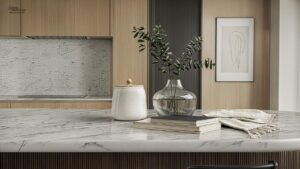
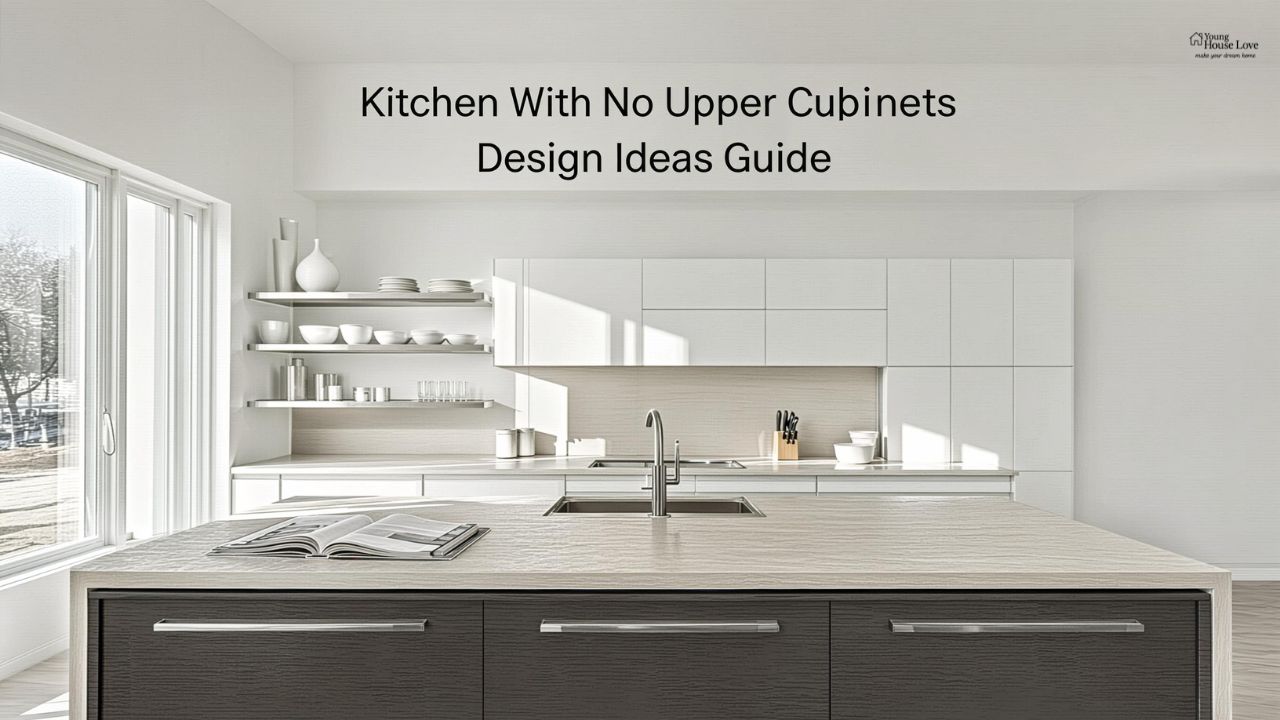
A beautifully designed kitchen can completely change how a home feels, and one trend that continues to capture attention is the kitchen with no upper cabinets. This modern approach creates an open, airy atmosphere that feels brighter, larger, and far more inviting than traditional layouts.
For years, upper cabinets were considered essential for storage, but homeowners are now embracing cleaner lines and minimalist aesthetics. Removing bulky wall cabinets instantly transforms a kitchen into a more visually spacious and elegant environment.
The popularity of the kitchen with no upper cabinets is not only about appearance. It also reflects changing lifestyles, where thoughtful organization, multifunctional storage, and intentional design matter more than filling every wall with cabinetry.
Whether you are renovating a compact apartment kitchen or building a luxurious custom home, this design concept offers flexibility, sophistication, and timeless appeal.
Why Homeowners Love a Kitchen With No Upper Cabinets
A kitchen should feel welcoming, functional, and visually balanced. Traditional upper cabinets can sometimes make spaces appear crowded or closed in, especially in smaller homes.
The kitchen with no upper cabinets trend solves this issue by opening vertical space and creating a more relaxed environment.
A More Spacious Appearance
Without upper cabinetry, walls feel less heavy and more expansive. Natural light travels more freely through the room, making even compact kitchens feel significantly larger.
This is especially beneficial for:
- Small apartments
- Narrow galley kitchens
- Open-concept homes
- Kitchens with low ceilings
- Contemporary interiors
The absence of upper cabinets creates visual breathing room that instantly modernizes the space.
Better Natural Light Distribution
Upper cabinets can block windows and limit the flow of light. Removing them allows sunlight to spread evenly across the kitchen.
A brighter kitchen often feels:
- Cleaner
- More welcoming
- More luxurious
- More comfortable for cooking
- More visually open
Natural light also enhances the appearance of countertops, backsplashes, and decorative materials.
A Minimalist and Contemporary Look
Minimalism continues to influence modern interior design. A kitchen with no upper cabinets aligns perfectly with clean-lined, uncluttered aesthetics.
The design emphasizes:
- Simplicity
- Functionality
- Intentional decor
- Balanced layouts
- Open architecture
Instead of overwhelming walls with storage, the focus shifts toward carefully chosen details and high-quality materials.
Storage Solutions for Kitchens Without Upper Cabinets
One of the biggest concerns homeowners have is storage. Fortunately, removing upper cabinets does not mean sacrificing functionality.
Modern kitchens use smarter and more efficient storage strategies.
Maximize Lower Cabinet Organization
Deep drawers and customized lower cabinets can store far more than traditional shelving.
Useful storage features include:
- Pull-out organizers
- Drawer dividers
- Vertical tray storage
- Hidden spice compartments
- Corner cabinet systems
These solutions improve accessibility and reduce clutter.
Add a Functional Kitchen Island
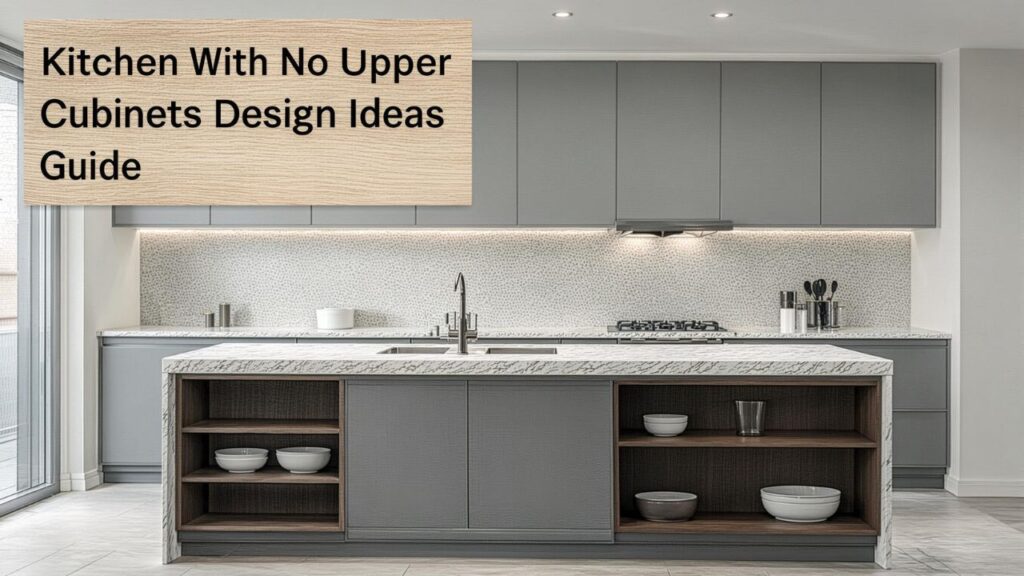
A kitchen island becomes even more valuable in a kitchen with no upper cabinets.
An island can provide:
- Extra storage
- Additional seating
- Meal preparation space
- Hidden appliances
- Decorative opportunities
Large islands often become the visual centerpiece of the entire kitchen.
Use Open Shelving Strategically
Open shelving offers a practical alternative to upper cabinets while maintaining the open aesthetic.
Shelves work best when used thoughtfully.
Display items such as:
- Everyday dishes
- Glassware
- Ceramic bowls
- Cookbooks
- Decorative plants
Avoid overcrowding shelves, as excessive items can create visual clutter.
Incorporate Pantry Storage
A dedicated pantry can compensate for the loss of upper cabinet space.
Pantries may include:
- Floor-to-ceiling shelving
- Pull-out drawers
- Appliance garages
- Food organization bins
- Hidden storage zones
Even a compact pantry dramatically improves kitchen functionality.
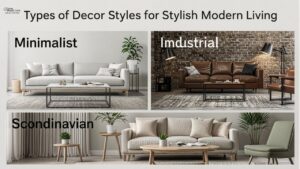
Design Styles That Work Best
The kitchen with no upper cabinets concept adapts beautifully to many interior styles.
Scandinavian Kitchens
Scandinavian interiors prioritize simplicity, natural light, and functionality.
Common features include:
- Light wood tones
- White walls
- Soft textures
- Neutral colors
- Minimal decor
Without upper cabinets, Scandinavian kitchens feel even more airy and calming.
Industrial Kitchen Designs
Industrial kitchens embrace raw materials and open architecture.
Popular industrial elements include:
- Exposed brick
- Black fixtures
- Concrete surfaces
- Metal shelving
- Edison lighting
Removing upper cabinets highlights these architectural details beautifully.
Farmhouse Kitchens
Farmhouse interiors focus on warmth and comfort.
A kitchen with no upper cabinets works especially well with:
- Shiplap walls
- Wooden beams
- Apron-front sinks
- Rustic open shelves
- Vintage-inspired hardware
This combination creates a cozy yet uncluttered atmosphere.
Contemporary Luxury Kitchens
Luxury kitchens increasingly favor streamlined layouts with fewer visual interruptions.
Modern luxury features often include:
- Waterfall countertops
- Integrated appliances
- Statement lighting
- Seamless cabinetry
- Natural stone backsplashes
Without upper cabinets, premium materials become the focal point.
Choosing the Right Backsplash
When upper cabinets are removed, the backsplash becomes much more visible.
This creates an opportunity to use bold textures, colors, and patterns.
Full-Height Stone Backsplashes
Large slabs of marble or quartz create dramatic visual impact.
Benefits include:
- Minimal grout lines
- Luxurious appearance
- Easy maintenance
- Seamless design
- Enhanced visual depth
Stone backsplashes work exceptionally well in modern kitchens.
Subway Tile Designs
Subway tiles remain timeless and versatile.
Popular variations include:
- Glossy white tiles
- Vertical layouts
- Dark grout contrast
- Handmade ceramic finishes
- Oversized formats
These designs complement both classic and contemporary spaces.
Textured and Patterned Materials
Textured backsplashes add personality and dimension.
Options include:
- Moroccan tiles
- Mosaic patterns
- Natural stone textures
- Wood paneling
- Concrete finishes
Because the wall area becomes more visible without cabinets, these materials make a stronger statement.
Lighting Ideas for Open Kitchen Walls
Lighting plays a major role in enhancing a kitchen with no upper cabinets.
Without cabinets interrupting the wall space, lighting fixtures become more prominent design elements.
Statement Pendant Lights
Pendant lighting adds both function and style.
Popular pendant styles include:
- Glass globes
- Matte black fixtures
- Brass finishes
- Oversized pendants
- Sculptural designs
Position pendant lights above islands or dining areas for maximum effect.
Wall Sconces
Wall sconces create warm ambient lighting while adding decorative interest.
They work beautifully alongside:
- Open shelving
- Artwork
- Floating shelves
- Accent walls
Sconces also help balance empty wall areas.
Under-Shelf Lighting
If open shelves are installed, under-shelf lighting enhances visibility and atmosphere.
LED lighting creates:
- Soft illumination
- Modern ambiance
- Improved functionality
- Highlighted decor displays
Warm lighting tones generally feel more inviting in kitchens.
How to Keep an Open Kitchen Organized
An open kitchen design requires intentional organization.
Because walls are more exposed, clutter becomes more noticeable.
Declutter Regularly
Only keep frequently used or visually appealing items visible.
Avoid overcrowding countertops with:
- Unused appliances
- Excess utensils
- Random decor
- Paper clutter
- Unnecessary containers
Minimal surfaces help maintain the clean aesthetic.
Use Decorative Storage Containers
Stylish containers help combine function with beauty.
Popular choices include:
- Glass jars
- Wooden trays
- Ceramic canisters
- Woven baskets
- Matte metal bins
Coordinated storage accessories create a polished appearance.
Maintain Color Consistency
A consistent color palette keeps open kitchens looking harmonious.
Neutral tones combined with subtle accent colors often work best.
Popular combinations include:
- White and wood
- Black and brass
- Beige and stone
- Gray and marble
- Navy and gold
Color consistency reduces visual chaos.
Pros and Cons of Removing Upper Cabinets
Every design choice has advantages and disadvantages.
Understanding both sides helps homeowners make informed decisions.
Advantages
The kitchen with no upper cabinets offers many benefits:
- More natural light
- Larger visual appearance
- Easier wall cleaning
- Better display opportunities
- Contemporary aesthetic
- Greater design flexibility
Many homeowners also appreciate the less restrictive feeling created by open walls.
Potential Drawbacks
There are also practical considerations.
Possible disadvantages include:
- Reduced hidden storage
- Increased need for organization
- More visible clutter
- Limited dish storage
- Potentially higher pantry dependence
However, thoughtful planning usually minimizes these concerns.
Best Materials for Modern Open Kitchens
Material selection becomes even more important when cabinetry is simplified.
Natural Wood Finishes
Wood introduces warmth and balance.
Popular wood choices include:
- Oak
- Walnut
- Maple
- Ash
- Reclaimed wood
Natural grain patterns add texture and authenticity.
Quartz Countertops
Quartz remains one of the most popular countertop materials.
Benefits include:
- Durability
- Low maintenance
- Stain resistance
- Wide color variety
- Elegant appearance
Quartz pairs beautifully with minimalist kitchens.
Matte Finishes
Matte materials continue gaining popularity in modern interiors.
Matte finishes create:
- Softer reflections
- Contemporary aesthetics
- Reduced fingerprints
- Sophisticated texture
Matte black fixtures are especially popular in open kitchen designs.
Decorating Open Kitchen Walls
Without upper cabinets, walls become opportunities for creativity.
Add Artwork
Framed artwork introduces personality and warmth.
Choose pieces that complement your kitchen color palette and overall design style.
Install Floating Shelves
Floating shelves provide both display and storage functionality.
Popular styling elements include:
- Cookbooks
- Small plants
- Ceramic dishes
- Decorative bowls
- Glass jars
Balance is important to avoid overcrowding.
Incorporate Greenery
Plants bring freshness and texture into kitchens.
Good kitchen plants include:
- Herbs
- Pothos
- Snake plants
- Olive branches
- Small succulents
Greenery softens modern kitchens beautifully.
Small Kitchens Without Upper Cabinets
A kitchen with no upper cabinets can work surprisingly well in compact spaces.
Why It Helps Small Kitchens Feel Bigger
Removing upper cabinets visually expands walls and ceilings.
This creates:
- Better openness
- Increased brightness
- Improved airflow
- Less visual heaviness
The result is a more spacious and breathable environment.
Smart Space-Saving Ideas
Compact kitchens benefit from:
- Slim appliances
- Vertical pantry storage
- Foldable furniture
- Multi-functional islands
- Hidden organizers
Efficient planning matters more than overall square footage.
Popular Color Schemes for Open Kitchens
Color influences how a kitchen feels emotionally and visually.
White and Wood Kitchens
White cabinetry combined with warm wood tones creates timeless appeal.
This combination feels:
- Bright
- Relaxed
- Modern
- Natural
- Versatile
Dark and Moody Kitchens
Dark kitchens can feel dramatic and luxurious.
Popular dark shades include:
- Charcoal gray
- Matte black
- Forest green
- Deep navy
- Espresso brown
Without upper cabinets, dark kitchens often feel less overwhelming.
Earthy Neutral Tones
Earth-inspired palettes continue trending in modern interiors.
Popular tones include:
- Sand beige
- Clay brown
- Olive green
- Stone gray
- Warm taupe
These colors create calming and welcoming environments.
Mistakes to Avoid in Open Kitchen Design
A successful kitchen with no upper cabinets requires careful balance.
Ignoring Storage Needs
Aesthetic choices should never compromise daily functionality.
Plan realistic storage for:
- Dishes
- Pantry goods
- Cooking tools
- Small appliances
- Cleaning supplies
Insufficient storage quickly creates clutter.
Overdecorating Open Shelves
Too many decorative items can overwhelm the minimalist look.
Keep displays intentional and balanced.
Choosing Poor Lighting
Lighting dramatically affects atmosphere.
Avoid:
- Harsh fluorescent lighting
- Insufficient task lighting
- Inconsistent fixture styles
- Poorly positioned pendants
Layered lighting creates the best results.
Why This Kitchen Trend Continues Growing
The kitchen with no upper cabinets trend reflects a broader movement toward simplified living and intentional design.
Homeowners increasingly prioritize:
- Open spaces
- Better functionality
- Personalized interiors
- Natural light
- Minimal clutter
This approach feels fresh, timeless, and adaptable to many lifestyles.
As kitchens continue evolving into social and multifunctional spaces, open layouts will likely remain highly desirable.
FAQ
Is a kitchen with no upper cabinets practical?
Yes, with smart storage planning such as deep drawers, pantry systems, and kitchen islands, these kitchens can remain highly functional.
Do kitchens without upper cabinets look bigger?
Yes, removing upper cabinets creates more visible wall space and improves light flow, making kitchens appear larger.
What can replace upper cabinets in a kitchen?
Open shelves, artwork, windows, statement backsplashes, or minimalist blank walls are popular alternatives.
Are open shelves better than upper cabinets?
Open shelves create a lighter and more decorative appearance, but they require more organization and regular cleaning.
How do I add storage without upper cabinets?
Use larger lower cabinets, pantry systems, islands, pull-out drawers, and vertical storage organizers.
Which kitchen styles work best without upper cabinets?
Scandinavian, contemporary, farmhouse, industrial, and minimalist kitchens work especially well with open wall layouts.
What colors work best in open kitchens?
Neutral shades, earthy tones, and warm wood combinations create balanced and inviting spaces.
Is this kitchen trend going out of style?
No, the open kitchen aesthetic continues growing because it feels modern, timeless, and highly adaptable.
Can small kitchens work without upper cabinets?
Absolutely. Removing upper cabinets often helps small kitchens feel brighter and more spacious.
Conclusion
The modern kitchen with no upper cabinets represents far more than a passing design trend. It reflects a shift toward cleaner spaces, intentional organization, and interiors that prioritize openness and comfort.
By removing visual clutter and emphasizing natural light, this design style creates kitchens that feel elegant, functional, and welcoming. Whether paired with floating shelves, dramatic backsplashes, or minimalist walls, the result is often timeless and sophisticated.
From compact apartments to luxury homes, homeowners continue embracing open kitchen concepts because they combine practicality with beauty. With thoughtful storage solutions and carefully selected materials, a kitchen without upper cabinets can feel both highly functional and effortlessly stylish for years to come.