Introduction
You can tell a lot about someone just by stepping into their home. Some spaces feel calm and airy the moment you walk in, while others are bold, colorful, and full of personality. That emotional connection is exactly why understanding types of decor styles has become such an important part of modern living.
Decor is no longer only about making a room look attractive. It shapes mood, comfort, productivity, and even relationships. A thoughtfully designed home can feel like a peaceful retreat after a stressful day, while a cluttered or mismatched space often creates subtle tension without people even realizing it.
The challenge is that decorating inspiration is everywhere now. Pinterest boards, Instagram reels, renovation shows, and online magazines constantly showcase beautiful interiors. However, many homeowners still struggle to define what style actually fits their lifestyle and personality.
Some people naturally gravitate toward minimalist spaces with clean lines and neutral colors. Others feel happiest surrounded by layered bohemian textures, rustic wood accents, or glamorous luxury finishes. Understanding different decor styles helps simplify those choices and creates homes that feel authentic rather than copied from trends.

Table of Contents
Understanding Decor Styles
Why Decor Style Matters in Everyday Life
Modern Decor Style
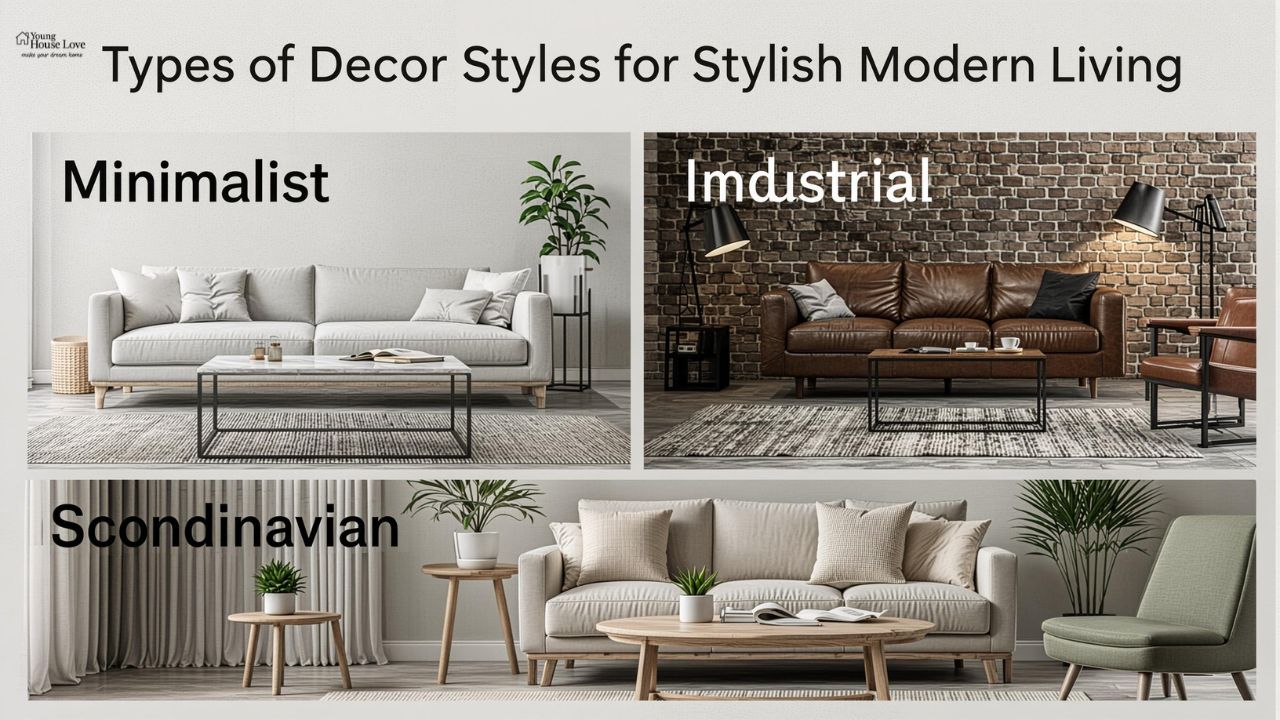
Minimalist Decor Style
Scandinavian Decor Style
Contemporary Decor Style
Traditional Decor Style
Rustic Decor Style
Farmhouse Decor Style
Industrial Decor Style
Bohemian Decor Style
Mid-Century Modern Decor
Coastal Decor Style
Luxury and Glam Decor
Eclectic Decor Style
Japandi Decor Style
How to Choose the Right Decor Style
Common Decorating Mistakes to Avoid
Personal Background Behind Modern Decor Trends
Frequently Asked Questions
Conclusion
Understanding Decor Styles
Decor styles are visual themes that combine colors, furniture, textures, lighting, patterns, and accessories into a unified look. Each style creates a different emotional atmosphere and reflects certain cultural influences, historical periods, or lifestyle preferences.
Some styles emphasize simplicity and calmness, while others focus on creativity, elegance, or warmth. However, the best-decorated homes usually balance aesthetics with comfort and practicality.
According to recent interior lifestyle surveys, over 70% of homeowners believe their environment directly impacts emotional well-being and stress levels. That explains why people increasingly invest in home styling and personalized interiors.

Understanding different aesthetics helps homeowners:
- Create cohesive spaces
- Avoid expensive decorating mistakes
- Improve comfort and functionality
- Reflect personality naturally
- Increase property appeal
More importantly, it helps people stop chasing every social media trend and start building homes they genuinely enjoy living in.
Why Decor Style Matters in Everyday Life
The way a room looks affects how it feels emotionally. Different types of decor styles can completely change the atmosphere of a home.
| Decor Style | Emotional Effect |
|---|---|
| Scandinavian | Calm and cozy |
| Minimalist | Peaceful and organized |
| Industrial | Bold and creative |
| Rustic | Warm and nostalgic |
| Coastal | Relaxed and airy |
Decor also influences:
- Productivity
- Sleep quality
- Stress levels
- Social comfort
- Creativity
For example, overly cluttered spaces often create mental fatigue, while balanced and organized rooms feel emotionally lighter.
That emotional impact is one reason home décor content has exploded online during the past decade. People are searching for homes that feel emotionally supportive, not just visually impressive.
Modern Decor Style
Modern décor originated during the early 20th century and remains one of the most recognizable aesthetics today.
Characteristics of Modern Decor
Modern interiors typically feature:
- Neutral color palettes
- Clean lines
- Functional furniture
- Open spaces
- Natural materials
Materials like wood, leather, steel, and glass dominate modern rooms.
Why Modern Decor Works So Well
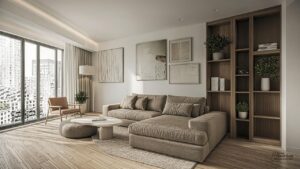
Modern spaces feel uncluttered and visually calming. They create openness, which is especially valuable in apartments and urban homes.
However, purely modern interiors can sometimes feel cold. Designers often soften them with:
- Warm lighting
- Layered textiles
- Indoor plants
- Soft textures
Among all types of decor styles, modern décor remains one of the most timeless and adaptable choices.

Minimalist Decor Style
Minimalism follows the philosophy of “less but better.”
What Defines Minimalism?
Minimalist spaces focus on:
- Simplicity
- Functionality
- Intentional design
- Open visual space
Every item serves a purpose.
Emotional Benefits of Minimalism
Minimalist interiors often reduce stress and visual overwhelm.
Many people describe minimalist homes as:
- Mentally refreshing
- Calming
- Organized
- Easier to maintain
That said, successful minimalism still feels warm and livable rather than empty.
Scandinavian Decor Style
Scandinavian décor originated in Nordic countries where long winters inspired bright, cozy interiors.
Key Scandinavian Features
Scandinavian interiors often include:
- White walls
- Natural wood textures
- Soft fabrics
- Warm lighting
- Functional furniture
Hygge and Emotional Comfort
The Danish concept of “hygge” focuses on coziness and emotional well-being.
That explains why Scandinavian homes often feel:
- Relaxing
- Welcoming
- Bright
- Comfortable
Many homeowners researching types of decor styles eventually fall in love with Scandinavian design because it balances simplicity with warmth beautifully.
Contemporary Decor Style
Contemporary décor reflects current evolving trends rather than one fixed historical movement.
Contemporary Design Elements
Contemporary spaces often include:
- Curved furniture
- Neutral palettes
- Smart technology
- Statement lighting
- Open layouts
Flexibility and Evolution
Unlike strict modern design, contemporary interiors change with time.

This flexibility allows homeowners to experiment more freely with textures, colors, and artistic elements.
Traditional Decor Style
Traditional interiors are inspired by classic European décor and timeless elegance.
Hallmarks of Traditional Design
Traditional spaces usually feature:
- Rich wood furniture
- Symmetrical layouts
- Ornate details
- Warm color schemes
- Elegant fabrics
Why Traditional Decor Endures
Traditional homes often feel sophisticated and emotionally comforting.
Unlike fast-moving trends, traditional interiors rarely feel dramatically outdated when designed thoughtfully.
Rustic Decor Style
Rustic décor celebrates natural beauty and organic textures.
Rustic Design Features
Common rustic elements include:
- Exposed wood beams
- Stone surfaces
- Handmade décor
- Earthy color palettes
- Vintage-inspired furniture
Emotional Warmth
Rustic spaces feel grounded, nostalgic, and welcoming.
They often remind people of countryside cabins and family traditions, which explains their lasting emotional appeal.
Farmhouse Decor Style
Farmhouse décor combines practicality with cozy simplicity.
Popular Farmhouse Features
Farmhouse interiors commonly include:
- Shiplap walls
- Neutral colors
- Barn-style details
- Large wooden tables
- Vintage accents
Why Farmhouse Became So Popular
Television renovation shows helped make farmhouse aesthetics mainstream.
Families especially love farmhouse spaces because they feel:
- Comfortable
- Relaxed
- Functional
- Family-friendly
Industrial Decor Style
Industrial design emerged from converted factories and warehouses.
Defining Industrial Décor
Industrial spaces often showcase:
- Exposed brick
- Concrete surfaces
- Metal accents
- Vintage lighting
- Open ceilings
Balancing Industrial Spaces
Without warmth, industrial rooms can feel harsh.
Designers usually soften them using:
- Leather furniture
- Area rugs
- Warm wood tones
- Indoor plants
Industrial interiors remain one of the boldest types of decor styles for urban living and creative personalities.
Bohemian Decor Style
Bohemian décor celebrates individuality, creativity, and collected experiences.
Bohemian Style Characteristics
Boho interiors often include:
- Layered textiles
- Global-inspired décor
- Plants
- Vintage pieces
- Rich colors and patterns
Freedom and Personality
Unlike highly structured aesthetics, bohemian spaces embrace imperfection and storytelling.
Travel souvenirs, handmade crafts, and meaningful objects often become focal points.
Mid-Century Modern Decor
Mid-century modern design became popular during the 1950s and 1960s.
Signature Features
This style typically includes:
- Tapered furniture legs
- Organic curves
- Retro palettes
- Functional layouts
- Minimal ornamentation
Why It Remains Timeless
Mid-century modern furniture still looks stylish decades later because it blends practicality with elegant simplicity.
Coastal Decor Style
Coastal interiors are inspired by relaxed seaside living.
Coastal Design Elements
Typical coastal features include:
- Soft blues and whites
- Linen textures
- Airy layouts
- Natural materials
- Large windows
Relaxing Atmosphere
Coastal spaces feel refreshing and peaceful.
Interestingly, homeowners don’t need beach houses to enjoy coastal aesthetics successfully.
Luxury and Glam Decor
Luxury décor focuses on elegance, exclusivity, and visual impact.
Common Glam Features
Luxury spaces often include:
- Marble surfaces
- Velvet upholstery
- Metallic finishes
- Crystal lighting
- Statement mirrors
Emotional Appeal
Luxury interiors are designed to feel:
- Sophisticated
- Dramatic
- Elegant
- High-end
However, balance matters. Too much glamour can quickly become overwhelming.
Eclectic Decor Style
Eclectic décor combines multiple influences into one curated environment.
What Makes Eclectic Design Successful?
Eclectic spaces carefully mix:
- Textures
- Patterns
- Colors
- Furniture eras
- Cultural influences
Avoiding Chaos
The challenge with eclectic décor is maintaining balance.
Without cohesion, rooms may feel cluttered instead of artistic.
However, well-designed eclectic spaces often become the most memorable because they feel deeply personal.
Japandi Decor Style
Japandi combines Japanese minimalism with Scandinavian warmth.
Why Japandi Is Trending
This hybrid aesthetic emphasizes:
- Simplicity
- Craftsmanship
- Natural materials
- Calmness
- Functionality
Japandi Design Elements
Japandi interiors often feature:
- Light wood
- Earthy tones
- Handmade ceramics
- Minimal clutter
- Organic textures
Many designers consider Japandi one of the most influential modern types of decor styles because it aligns perfectly with mindful living trends.
How to Choose the Right Decor Style
Choosing the right style becomes easier when you focus on lifestyle rather than trends.
Ask Yourself Key Questions
Consider:
- Do you prefer calm or energetic spaces?
- How much maintenance can you handle?
- Do you entertain guests often?
- Do you love bold colors or neutral tones?
- Do you prioritize comfort or aesthetics more?
Save Inspiration Carefully
As you collect photos, notice repeating patterns:
- Similar color palettes
- Furniture shapes
- Lighting choices
- Material preferences
Your real preferences usually become obvious over time.
Start Small
You don’t need to redesign an entire house immediately.
Begin with:
- Lighting
- Rugs
- Paint
- Curtains
- Decorative accents
Small changes often transform how a room feels emotionally.
Common Decorating Mistakes to Avoid
Even expensive homes can feel uncomfortable when design basics are ignored.
Following Trends Blindly
Social media trends change quickly.
Decorating around personal comfort usually creates more lasting satisfaction.
Ignoring Lighting
Lighting dramatically affects mood and visual warmth.
Good rooms combine:
- Ambient lighting
- Accent lighting
- Task lighting
- Natural sunlight
Overcrowding Rooms
Too much furniture reduces comfort and movement.
Less clutter often creates more emotional calmness.
Forgetting Scale and Proportion
Furniture should match room size appropriately.
Oversized pieces overwhelm small spaces, while tiny furniture can feel awkward in larger rooms.
Understanding the fundamentals behind types of decor styles helps homeowners avoid these common mistakes.
Personal Background Behind Modern Decor Trends
Interior décor trends evolve alongside cultural and lifestyle changes.
Decades ago, homes focused heavily on formal entertaining. Today, people prioritize:
- Comfort
- Wellness
- Flexibility
- Sustainability
- Emotional well-being
Social media dramatically accelerated interest in interior aesthetics.
Career Paths in Home Décor
Many successful decorators begin through:
- Interior design studies
- Art backgrounds
- Renovation projects
- Furniture styling
- Visual merchandising
Platforms like Instagram, Pinterest, and YouTube helped many decorators build global audiences.
Financial Growth in the Industry
The global home décor market generates billions annually.
Successful décor professionals often earn revenue through:
- Client consultations
- Brand collaborations
- Sponsored content
- Product collections
- Online courses
Some celebrity designers now have estimated net worths reaching millions because of expanding digital influence.
The growing fascination with types of decor styles continues fueling demand for home styling inspiration around the world.
Frequently Asked Questions
What are the most popular types of decor styles?
Modern, Scandinavian, minimalist, farmhouse, bohemian, and contemporary styles are currently among the most popular choices.
Which decor style is best for small homes?
Minimalist and Scandinavian interiors work especially well because they emphasize light, openness, and functionality.
Can I mix multiple decor styles together?
Yes. Mixing styles often creates more personalized interiors when done thoughtfully and with balance.
What is the difference between modern and contemporary décor?
Modern design refers to a historical movement, while contemporary style reflects current evolving trends.
Is minimalist décor expensive?
Not necessarily. Minimalism focuses more on simplicity and intentional choices than expensive furniture.
Which décor style feels the warmest?
Rustic, farmhouse, and Scandinavian interiors are commonly considered the coziest and most emotionally comforting.
How do I discover my decorating style?
Look for repeating themes in spaces you consistently love, including colors, textures, furniture shapes, and lighting.
Are décor trends worth following?
Trends can inspire ideas, but homes should ultimately reflect personal comfort and lifestyle rather than temporary popularity.
Why are neutral colors so common in modern décor?
Neutral palettes create flexibility, visual calmness, and timeless appeal while allowing textures and furniture to stand out naturally.
Conclusion
A thoughtfully decorated home does far more than impress visitors. It shapes emotions, supports routines, reduces stress, and quietly influences how people experience everyday life.
That’s why exploring different types of decor styles is so valuable. It helps homeowners move beyond random trends and create spaces that genuinely reflect personality, comfort, and lifestyle needs.
Some people feel happiest in bright Scandinavian interiors filled with natural light, while others thrive in layered bohemian rooms bursting with texture and creativity. There’s no universal “perfect” aesthetic. The best décor style is simply the one that makes your home feel authentic, comfortable, and emotionally right for you.