Introduction
A backyard can feel ordinary during the day and almost magical at night. Add warmth, shelter, soft lighting, and a glowing fire, and suddenly that unused corner becomes the place everyone wants to sit.
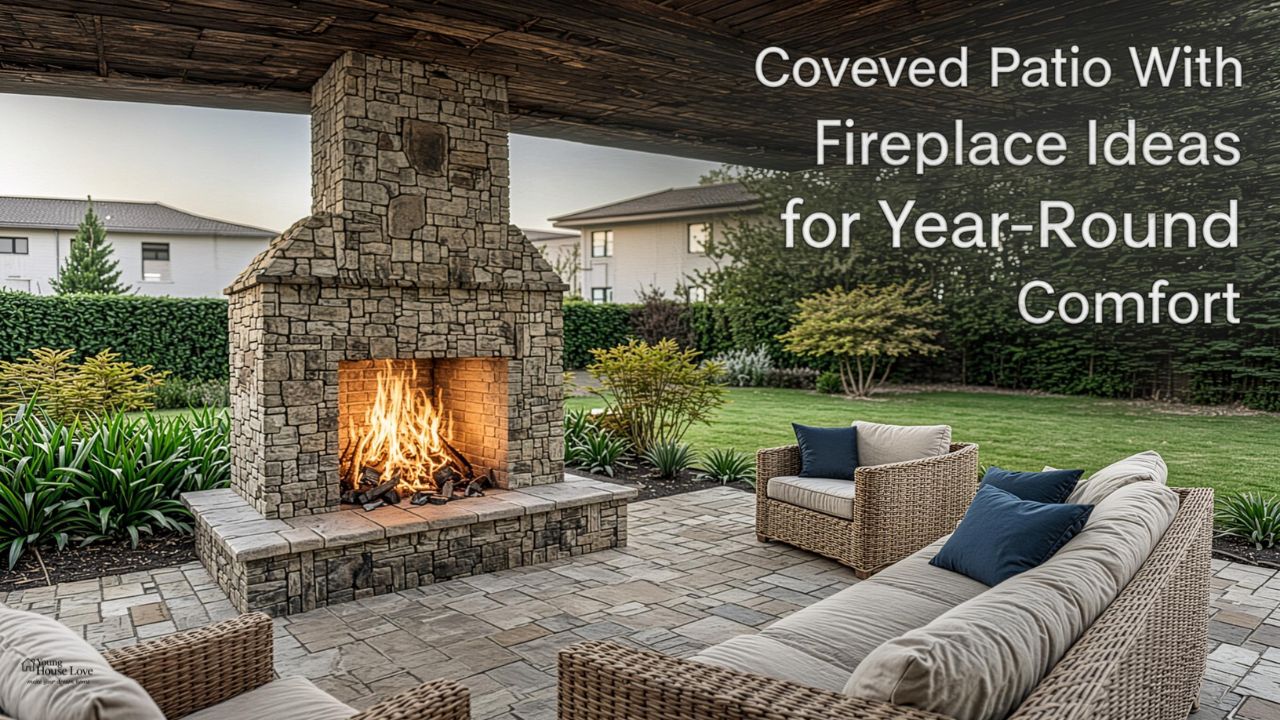
A <strong>covered patio with fireplace</strong> gives you more than a pretty outdoor feature. It creates a comfortable outdoor room where you can enjoy coffee on cool mornings, host family dinners, read on rainy afternoons, or relax after a long week without feeling chased indoors by weather.
In reality, people are no longer designing patios only for summer barbecues. They want flexible spaces that work through more seasons. A roof protects furniture and flooring. A fireplace adds warmth, mood, and a natural focal point. Together, they turn the patio into a true extension of the home.
That said, the best results come from smart planning. The roof, fireplace type, seating layout, ventilation, flooring, lighting, and safety details all need to work together. This guide walks through practical ideas, design choices, budget points, and mistakes to avoid before building your dream outdoor retreat.
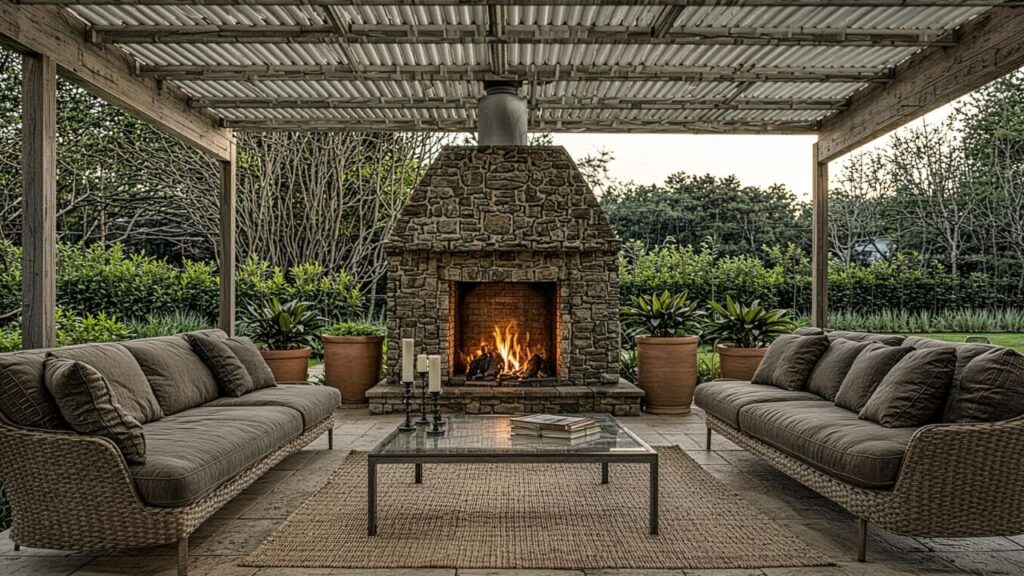
Table of Contents
- Why a Covered Patio With Fireplace Works So Well
- Best Layouts for Outdoor Comfort
- Choosing the Right Fireplace Type
- Roof Styles That Suit Fireplace Patios
- Materials That Look Beautiful and Last
- Seating, Dining, and Traffic Flow
- Safety, Ventilation, and Building Rules
- Budget Planning and Cost Factors
- Design Ideas for Different Home Styles
- Lighting, Decor, and Finishing Touches
- Common Mistakes to Avoid
- Maintenance Tips for Long-Term Use
- FAQs
- Conclusion
Why a Covered Patio With Fireplace Works So Well
A well-designed outdoor space should feel useful, not just decorative. That is why a covered patio with fireplace has become such a loved backyard upgrade. It solves several problems at once: shade, shelter, warmth, atmosphere, and outdoor seating.
The cover gives protection from harsh sun, light rain, falling leaves, and general weather exposure. The fireplace makes the area feel warmer and more inviting when temperatures drop. Together, they help the patio feel less like a seasonal add-on and more like a comfortable outdoor living room.
There is also an emotional side to it. Fire naturally draws people in. Guests gather around it without being told. Children roast marshmallows. Couples sit closer. Friends linger longer after dinner. Even a simple weeknight can feel special when the patio has that soft glow.
From a design point of view, the fireplace also anchors the whole space. Without it, outdoor furniture can sometimes look like it is floating. With a fireplace wall, the seating has a clear direction and the patio gains structure.
What Makes It Different From an Open Patio?
An open patio is exposed. It may be beautiful, but it depends heavily on perfect weather. A covered patio provides shade and protection, while the fireplace adds warmth and visual depth.
Here is the simple difference:
| Feature | Open Patio | Covered Patio With Fireplace |
|---|---|---|
| Weather protection | Limited | Better shade and rain coverage |
| Seasonal use | Mostly warm months | More useful in cooler weather |
| Comfort level | Depends on climate | Feels more like an outdoor room |
| Design focal point | Furniture or view | Fireplace wall or hearth |
| Furniture durability | More exposure | Better protection under roof |
This does not mean every home needs a massive structure. Even a modest covered area with a compact gas fireplace can change how the backyard feels.
Best Layouts for Outdoor Comfort
The layout decides whether the patio feels relaxed or awkward. A beautiful fireplace can still disappoint if chairs are too far away, smoke blows into seating, or people must squeeze behind furniture to move around.
A smart covered patio with fireplace usually starts with one question: how will people actually use this space? Some families want quiet evenings. Others want weekend entertaining. Some need a dining zone, while others prefer deep sofas and lounge chairs.
Once the purpose is clear, the layout becomes easier.
Lounge-Focused Layout
This is the most popular choice for a cozy outdoor room. The fireplace becomes the main focal point, and seating faces it in a U-shape or L-shape.
A lounge layout works well with:
- Outdoor sofas
- Swivel chairs
- A coffee table or fire-safe central table
- Side tables for drinks
- Soft cushions and weather-resistant throws
For a natural feel, keep the seating close enough for conversation. If chairs are too far from the hearth, the fire becomes background decor instead of the heart of the patio.
Dining-Focused Layout
A dining layout works beautifully when the fireplace sits along one wall and the table sits under the covered area. This is great for family meals, holiday dinners, and long weekend lunches.
The trick is to avoid placing the dining table too close to the fireplace opening. Guests should feel warmth, not heat blasting at their knees. Leave enough walking room around chairs so people can move without bumping into the hearth or posts.
Split-Zone Layout
Larger patios can hold both a dining area and a lounge zone. In this setup, the fireplace usually belongs to the lounge side, while the dining area sits slightly apart.
This layout feels more expensive and resort-like because it gives the patio different moods. One side is for eating. The other side is for relaxing. If the patio is long and narrow, place the fireplace at the far end to visually stretch the space.
Corner Fireplace Layout
A corner fireplace is useful when the patio is small or when you want to preserve wall space. It also softens the layout because seating can angle toward the corner instead of lining up too formally.
This design works especially well for square patios, rustic patios, and smaller homes where every foot matters.
Choosing the Right Fireplace Type
The fireplace is the soul of the project, so it deserves careful thought. The best option depends on your climate, local rules, budget, maintenance tolerance, and the kind of mood you want.
There are three common choices: wood-burning, gas, and electric. Each one has a different personality.
Wood-Burning Fireplace
A wood-burning fireplace feels traditional, rustic, and deeply satisfying. It gives real crackle, real flame, and that nostalgic campfire smell. For cabins, farmhouse patios, mountain homes, and natural stone designs, it can be stunning.
The downside is maintenance. Wood needs storage. Ash needs cleaning. Smoke direction matters. Local air-quality rules may also affect when or where you can burn wood. The EPA notes that wood smoke can irritate the lungs, cause inflammation, and affect immune defenses, so ventilation and responsible burning matter.
Choose wood if you love the full sensory experience and do not mind extra upkeep.
Gas Fireplace
Gas is cleaner in daily use and easier to control. You can turn it on quickly, adjust the flame, and turn it off without waiting for embers to die down.
A gas fireplace is ideal for modern patios, busy families, and people who want comfort without hauling logs. It also tends to create less smoke around seating, which makes it more pleasant under a roof. The design can be sleek and linear, traditional with logs, or built into a stone feature wall.
The main downside is installation. Gas lines, shutoff valves, venting needs, and local permits should be handled by qualified professionals.
Electric Fireplace
Electric fireplaces are less common for large outdoor patios, but they can work in protected, covered areas when the unit is rated for outdoor use. They are easy to operate and do not produce smoke.
That said, they do not give the same heat or flame realism as gas or wood. They are better for visual atmosphere than serious warmth.
Quick Fireplace Comparison
| Fireplace Type | Best For | Pros | Watch Out For |
|---|---|---|---|
| Wood-burning | Rustic, cabin, farmhouse patios | Real flame, strong mood, traditional feel | Smoke, ash, wood storage, local rules |
| Gas | Modern and low-maintenance spaces | Easy control, cleaner daily use, less mess | Gas line, pro installation, permit needs |
| Electric | Small protected patios | Simple operation, no smoke | Less heat, must be outdoor-rated |
Roof Styles That Suit Fireplace Patios
The patio cover is not just a shade structure. It affects airflow, smoke movement, natural light, rain protection, and the overall architecture of the home.
A covered patio with fireplace should look like it belongs to the house. If the roof feels like an afterthought, the whole project can look awkward, even if the fireplace itself is expensive.
Gable Roof
A gable roof has a peaked shape, which helps the patio feel tall and open. It pairs well with traditional homes, craftsman houses, farmhouse exteriors, and rustic outdoor rooms.
The extra height can also help the fireplace wall feel grand without making the space feel cramped. Exposed beams under a gable roof can add character and warmth.
Flat or Low-Slope Roof
A flat or low-slope cover works well for modern homes. It keeps the design clean and simple. When paired with a linear gas fireplace, concrete flooring, and black-framed doors, it can feel sleek and high-end.
The challenge is drainage. A flat patio roof still needs proper slope, gutters, and waterproofing.
Pergola-Style Covered Patio
A pergola is not fully covered unless it includes a solid roof, polycarbonate panels, louvers, or shade fabric. It looks airy and stylish, but it may not protect against heavy rain.
Pergolas are best for mild climates or homeowners who want filtered sunlight. If adding a fireplace, make sure the material, spacing, and clearances are safe.
Attached Roof Extension
An attached roof extension creates the most seamless look because it connects directly to the house. It often feels like an outdoor room rather than a separate backyard feature.
The design needs careful structural planning. Roof load, drainage, wall connection, and fire safety should be reviewed before construction.
Materials That Look Beautiful and Last
Materials shape the mood of the patio. They also decide how much maintenance you will face later. Outdoor fireplaces, roofs, floors, and seating areas deal with sun, moisture, heat, wind, dust, and temperature changes.
For a covered patio with fireplace, choose materials that can handle outdoor conditions while matching the home’s style.
Fireplace Materials
Stone, brick, stucco, concrete, and tile are common fireplace finishes. Natural stone feels timeless and organic. Brick feels warm and traditional. Smooth stucco suits Mediterranean and modern homes. Concrete creates a bold, minimalist look.
If you want a cozy cottage feel, use textured stone with a chunky mantel. For a modern look, choose smooth concrete, large-format tile, or a clean rectangular firebox.
Flooring Materials
The patio floor should be attractive, slip-resistant, and easy to clean.
Good options include:
- Porcelain outdoor tile
- Stamped concrete
- Natural stone pavers
- Brick pavers
- Concrete slabs
- Travertine
- Slate
- Textured composite decking
Avoid glossy indoor tile. It can become slippery and may crack outdoors. Also think about soot, ash, food spills, and rainwater. A beautiful floor that stains easily may become frustrating.
Ceiling Materials
The ceiling is often overlooked, but it can change the whole feeling of the patio. Wood-look ceilings feel warm and custom. Painted beadboard adds charm. Fiber cement panels can be practical in damp climates.
If the fireplace is tall, the ceiling should feel balanced. A low ceiling with a large fireplace can feel heavy. A taller ceiling with beams can feel airy and dramatic.
Mantel and Hearth Choices
The mantel is a natural styling point. You can keep it simple with stone, add rustic wood, or use a sleek concrete shelf.
For the hearth, think beyond looks. People may sit near it, place drinks on it, or use it as extra seating. A raised hearth can make the fireplace feel more grounded and useful.
Seating, Dining, and Traffic Flow
A patio should never feel like furniture was squeezed into leftover space. Comfortable movement matters just as much as style.
Before buying furniture, use painter’s tape or cardboard boxes to mark the footprint on the patio. This simple step prevents expensive mistakes.
Seating Distance
For conversation, seating should feel close but not crowded. Place chairs near enough to enjoy the fire, but leave space for heat safety and easy movement.
Deep sofas work well on larger patios. Compact club chairs suit smaller spaces. Swivel chairs are great because guests can turn toward the fire, the view, or the dining table.
Walking Paths
Leave clear walking paths from the house to the patio, from the patio to the yard, and around furniture. Nobody wants to step over ottomans or squeeze between chair backs.
Good flow is especially important when serving food. If the grill, kitchen door, and dining table are all connected, the patio becomes much easier to use.
Furniture Materials
Outdoor furniture needs to survive real weather. Even under a roof, wind can blow in rain and dust.
Strong choices include:
- Powder-coated aluminum
- Teak
- All-weather wicker
- Outdoor-grade steel
- Performance fabric cushions
- Concrete or stone tables
Soft furnishings make the patio feel finished, but buy covers or storage boxes if the area gets storms.
Safety, Ventilation, and Building Rules
A fireplace under a roof can be safe and beautiful, but only when planned correctly. Fire, smoke, heat, roof materials, chimney height, and clearance all need serious attention.
Codes vary by location, but model rules exist for chimneys and fireplaces. The International Residential Code includes chimney and fireplace provisions, and NFPA 211 covers safe design, installation, maintenance, and inspection of chimneys, fireplaces, vents, and solid-fuel-burning appliances. Always check local requirements before building.
NFPA outdoor fire guidance also stresses safe outdoor burning habits, including care around combustible materials, weather conditions, and embers. That matters even more when the fire feature sits near a home, roof, or outdoor furniture.
Ventilation Under a Covered Patio
A covered patio with fireplace needs enough airflow to prevent smoke, fumes, and heat from becoming uncomfortable. Wood fireplaces usually need a properly designed chimney. Gas units may need specific venting depending on the model.
A high ceiling, open sides, and correct chimney placement help air move naturally. If the patio is enclosed on several sides, ventilation becomes even more important.
Clearances to Combustibles
Combustible materials include wood framing, ceiling boards, furniture, curtains, rugs, and some decor. The exact clearance depends on the fireplace type and manufacturer instructions.
Do not guess here. The wrong clearance can create a hidden fire risk, especially around beams, mantels, and roof structures.
Professional Installation
Some parts of the patio can be DIY-friendly, such as styling, furniture, decor, and simple landscaping. The fireplace structure, chimney, gas line, roof framing, and electrical work should be handled by licensed pros.
This is not just about passing inspection. It is about protecting the people who will sit under that roof.
Budget Planning and Cost Factors
Budget is where dreams meet reality. A fireplace patio can be modest, luxurious, or somewhere in between. The final price depends on size, location, roof style, fireplace type, materials, labor, permits, utilities, and site conditions.
Recent cost guides show wide ranges. Angi reports outdoor fireplace installation can range from about $800 to $21,000, with many projects averaging around $3,000, while patio cover installation averages around $8,500 nationally with common ranges from $4,500 to $12,000. HomeAdvisor lists covered patio builds at a much higher average when the project is more complete or enclosed. Use these as broad planning numbers, not fixed quotes.
Budget Table
| Project Level | What It Usually Includes | Budget Character |
|---|---|---|
| Simple refresh | Existing covered patio, portable or prefab fire feature, new seating | Lower-cost upgrade |
| Mid-range build | Roof cover, gas fireplace, paver or concrete floor, lighting | Balanced comfort and value |
| Custom outdoor room | Masonry fireplace, full roof tie-in, built-in seating, premium stone | Higher investment |
| Luxury design | Outdoor kitchen, large fireplace wall, heaters, automation, custom lighting | Premium backyard living |
Where Money Is Usually Spent
The biggest cost drivers often include:
- Patio size
- Roof structure
- Fireplace type
- Stone or masonry work
- Gas and electrical connections
- Flooring material
- Drainage
- Permits
- Labor rates
- Site preparation
A simple prefab gas unit under an existing roof will cost much less than a custom stone fireplace with a new gable roof and built-in kitchen.
Where to Save Without Ruining the Design
You do not have to choose the most expensive option to get a beautiful result.
Smart ways to save include:
- Use a simple fireplace shape
- Choose veneer stone instead of full-depth stone
- Keep plumbing out of the project
- Use standard-size furniture
- Avoid overly complex rooflines
- Install lighting thoughtfully instead of excessively
- Reuse an existing patio slab if it is in good condition
The goal is not to make everything cheap. The goal is to spend where it matters most: safety, structure, comfort, and durability.
Design Ideas for Different Home Styles
The best outdoor spaces feel connected to the home. A patio that ignores the house style can look forced. Matching materials, roof shape, color palette, and trim details helps the patio feel intentional.
Modern Covered Patio With Fireplace
A modern design favors clean lines, low-profile furniture, neutral colors, and simple materials. Think concrete, smooth stucco, black metal, large-format tile, and a linear gas fireplace.
Keep decor minimal. Use one strong sofa, two lounge chairs, and a simple coffee table. Add warmth with textured cushions, wood accents, and soft lighting.
Rustic Outdoor Fireplace Patio
Rustic patios feel grounded and natural. Stone, wood beams, lanterns, thick cushions, and earthy colors work well here.
A rustic covered patio with fireplace often looks best with a larger hearth, exposed rafters, and a chimney that feels substantial. This style suits cabins, lake homes, farmhouse properties, and mountain-inspired backyards.
Farmhouse Patio
Farmhouse style mixes comfort with simplicity. Use brick, white siding, wood beams, black lanterns, and cozy seating. A traditional fireplace with a wood mantel can look beautiful.
Add woven baskets, striped cushions, and potted herbs for a lived-in feeling. Avoid making it too perfect. Farmhouse patios should feel welcoming, not staged.
Mediterranean Patio
Mediterranean patios love stucco, terracotta, arches, warm stone, patterned tile, and soft curves. A fireplace with a smooth plaster finish can feel elegant and relaxed.
Use olive trees, clay pots, linen cushions, and warm white walls. This style works beautifully in sunny climates.
Small Backyard Patio
Small patios need restraint. Instead of a huge fireplace wall, choose a compact corner fireplace or slim gas unit. Keep furniture scaled properly.
Use built-in benches if floor space is tight. Add vertical decor, wall sconces, and a small round table. A small covered patio with fireplace can still feel luxurious when proportions are right.
Lighting, Decor, and Finishing Touches
The fireplace brings warmth, but lighting creates atmosphere. Without good lighting, the patio may feel flat after sunset.
Layered lighting works best. Use ceiling lights for general visibility, sconces for the fireplace wall, step lights for safety, and table lamps or lanterns for softness.
Lighting Ideas
Try these options:
- Warm recessed ceiling lights
- Wall sconces beside the fireplace
- Pendant lights over a dining table
- LED strips under benches
- Step lights near changes in level
- Lanterns on side tables
- Landscape lights around nearby plants
Avoid harsh white light. Warm lighting feels more flattering and relaxing outdoors.
Rugs and Textiles
An outdoor rug can define the seating area and make the patio feel like a room. Choose a rug made for outdoor use and easy cleaning.
Cushions, throws, and pillows add softness. Stick to a controlled palette so the space does not feel busy. Earth tones, soft gray, cream, black, muted green, and warm brown usually pair well with fire features.
Plants and Greenery
Plants soften stone, brick, and concrete. Use planters around posts, near seating, or along the patio edge.
Good choices include:
- Olive trees in pots
- Boxwood
- Ferns for shade
- Lavender
- Rosemary
- Ornamental grasses
- Climbing vines near pergola posts
Keep plants away from direct heat and sparks, especially near wood-burning fireplaces.
Decor Around the Fireplace
The mantel can hold lanterns, pottery, candles, or seasonal decor. Just avoid anything flammable too close to the firebox.
For a clean look, use fewer larger pieces instead of many small items. A cluttered mantel can make even an expensive fireplace look messy.
Common Mistakes to Avoid
A fireplace patio is a dream feature, but small planning mistakes can make it less enjoyable. Many problems happen because the design focuses on looks before function.
Building the Fireplace Too Large
A massive fireplace can overwhelm a small patio. It may block views, crowd seating, and make the roof feel low.
Scale matters. The fireplace should feel important, not overpowering.
Ignoring Smoke Direction
With wood-burning fireplaces, smoke movement can ruin the experience. Wind patterns, chimney height, nearby walls, and roof shape all matter.
If smoke regularly drifts into seating, people will stop using the space.
Choosing Indoor Materials
Indoor tile, indoor cushions, untreated wood, and delicate decor usually do not age well outside. Even covered patios are still exposed to moisture and temperature changes.
Forgetting Storage
Outdoor rooms need storage for cushions, firewood, tools, covers, and cleaning supplies. Built-in benches, side cabinets, or a small storage chest can help.
Poor Drainage
A roof does not solve every water issue. Rain can blow sideways, and patio floors still need proper slope. Bad drainage can lead to stains, slippery surfaces, and long-term damage.
Not Planning Electrical Outlets
People often add outlets later for lamps, speakers, fans, heaters, or phone charging. It is easier to plan them during construction.
Place outlets where they are useful but discreet.
Maintenance Tips for Long-Term Use
A covered patio with fireplace should feel relaxing, not like another full-time chore. Good material choices make maintenance easier, but every outdoor room needs some care.
Weekly or Monthly Care
Sweep the floor, wipe tables, shake out cushions, and remove leaves from corners. Clean spills quickly, especially on stone or porous concrete.
If you use a wood-burning fireplace, remove ash only after it is completely cool. Store firewood off the ground and away from the house when possible.
Seasonal Care
At the start of each season, check the roof, gutters, furniture, lighting, and fireplace area. Look for cracks, loose stones, rust, water stains, pests, or blocked drainage.
Gas fireplaces should be inspected according to manufacturer guidance. Wood-burning chimneys need proper cleaning and inspection, especially before heavy use.
Protecting Furniture
Even under a roof, outdoor furniture lasts longer with covers. Cushions should dry fully after damp weather.
If your area has strong storms, dust, or winter freezes, store soft items indoors during harsh months.
FAQs
Is a covered patio with fireplace safe?
Yes, it can be safe when designed and installed correctly. The fireplace must have proper clearance, ventilation, chimney or venting setup, non-combustible materials, and professional installation where required. Local code approval is also important.
How much does a covered patio with fireplace cost?
The cost of a covered patio with fireplace depends on size, roof type, fireplace style, material quality, labor, utilities, and permits. A simple upgrade may be affordable, while a custom roof and masonry fireplace can become a major outdoor living investment.
Is gas or wood better for a covered patio?
Gas is easier, cleaner in daily use, and better for quick evenings outside. Wood feels more traditional and atmospheric but needs more maintenance and smoke planning. For covered spaces, many homeowners prefer gas because it is easier to control.
Can you put a fireplace under a patio roof?
Yes, but only with the right design. The fireplace must be approved for that type of installation, and the roof, chimney, venting, and clearances must meet local requirements. Never place a random fire feature under a roof without checking safety rules.
What is the best flooring for a fireplace patio?
Porcelain outdoor tile, concrete, natural stone, brick pavers, and textured pavers are all strong options. The best choice depends on climate, budget, design style, and slip resistance.
Does a fireplace add value to a patio?
It can improve perceived value because it makes the outdoor area more attractive and usable. The biggest value comes when the design feels permanent, safe, comfortable, and well matched to the home.
How big should the patio be?
A small lounge patio may work with compact chairs and a corner fireplace, while a larger entertaining space needs more room for sofas, tables, and walking paths. Plan furniture first, then size the patio around real use.
What furniture works best near an outdoor fireplace?
Weather-resistant sofas, lounge chairs, swivel chairs, and coffee tables work well. Choose materials made for outdoor use, and keep cushions, rugs, and curtains at safe distances from heat and sparks.
How do I make the space feel cozy?
Use warm lighting, soft cushions, outdoor rugs, side tables, plants, and natural textures. Keep the seating close enough for conversation and let the fireplace be the visual anchor.
Can a small backyard still have this feature?
Absolutely. A compact fireplace, slim roof cover, corner layout, and properly scaled furniture can make a small patio feel charming instead of crowded.
Conclusion
A <strong>covered patio with fireplace</strong> is one of those home upgrades that changes how people live, not just how the backyard looks. It gives you shade, warmth, comfort, and a reason to step outside more often.
The best designs are not always the biggest or most expensive. They are the ones that fit the home, feel safe, support real daily use, and invite people to stay a little longer. Start with the way you want to live, then choose the layout, fireplace type, roof style, materials, and lighting around that vision.
When planned with care, this kind of patio becomes more than an outdoor feature. It becomes the quiet morning coffee spot, the family gathering place, the evening escape, and the cozy corner everyone remembers.