Introduction
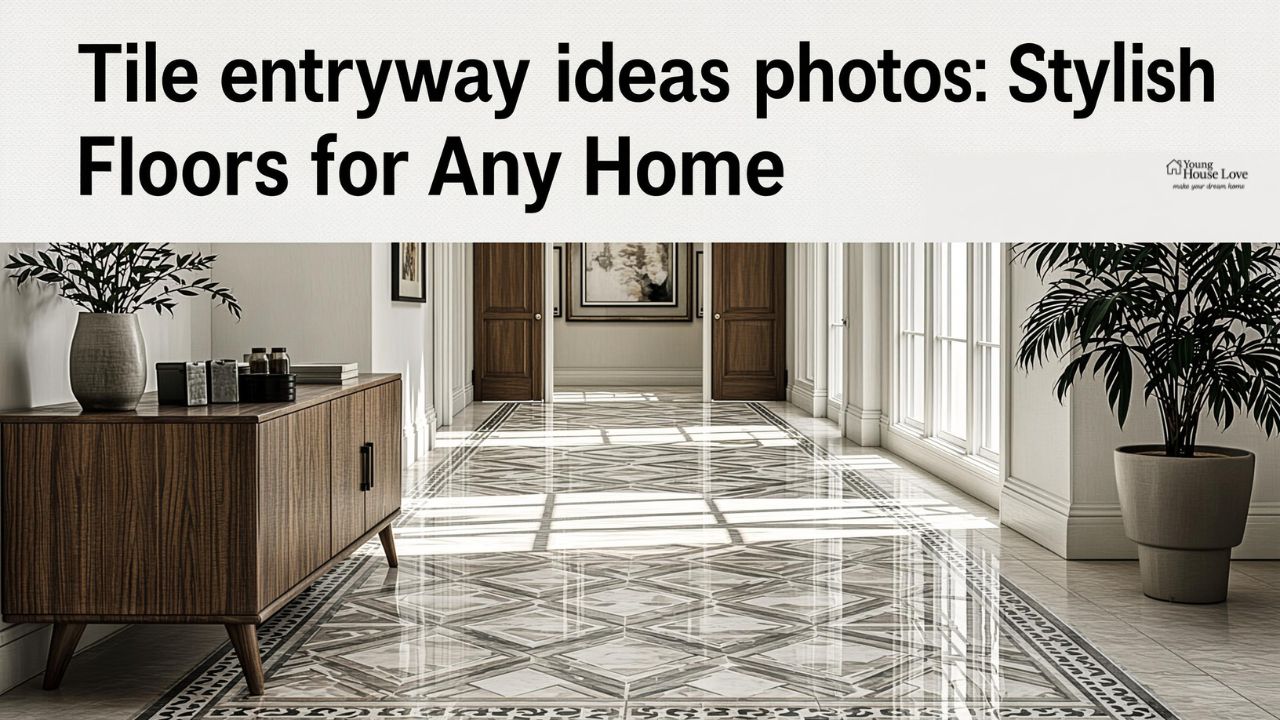
Your entryway quietly tells guests what the rest of your home feels like. That is why tile entryway ideas photos are so useful when you want a front entrance that looks beautiful, handles daily foot traffic, and still feels warm the moment someone steps inside.
The entry is also one of the hardest-working spaces in a home. Shoes bring in dust, rain, mud, pet hair, leaves, and sometimes snow. A pretty floor that cannot handle real life quickly becomes frustrating. Tile solves that problem when you choose the right material, finish, pattern, and layout.
The best part is that tile can fit almost any style. It can look modern, rustic, Mediterranean, farmhouse, classic, coastal, vintage, or bold and artistic. One small foyer can become a little design moment without remodeling the whole house.
In this guide, you will find practical tile entryway inspiration, layout advice, material comparisons, color ideas, cost notes, maintenance tips, and common mistakes to avoid. Think of it as a design conversation with a friend who wants your entryway to look good and work hard.

Table of Contents
- How to Read tile entryway ideas photos Before Choosing a Design
- Why Tile Works So Well in Entryways
- Best Tile Styles for a Welcoming Entry
- tile entryway ideas photos for Small Foyers
- Tile Materials for Entryway Floors
- Pattern and Layout Ideas That Change the Mood
- Color Ideas for Different Home Styles
- Entryway Tile With Rugs, Benches, and Storage
- Project Background, Design Journey, and Value Insight
- Cost and Budget Planning
- Common Mistakes to Avoid
- Cleaning and Maintenance Tips
- FAQs
- Conclusion
How to Read tile entryway ideas photos Before Choosing a Design
A good photo can inspire you, but it can also mislead you if you only notice the pretty pattern. When you look at entryway inspiration, pay attention to scale, lighting, grout color, door swing, furniture placement, and how much visible floor space the room actually has.
For example, a black-and-white checkerboard tile may look dramatic in a large foyer with high ceilings. In a narrow apartment entrance, the same pattern may feel busy unless the tile size is adjusted. A detailed mosaic may look amazing in a photo, but it may cost more to install because of extra cuts and alignment.
When you search for tile entryway ideas photos, look for homes that match your space. A small hallway needs different decisions than a wide front foyer. A busy family mudroom needs different flooring than a formal entry used mostly by guests.
Look Beyond the Tile
The tile is only one piece of the entrance. Notice the wall color, trim, lighting, door finish, shoe storage, mirror, rug, and nearby rooms. A floor can feel disconnected if it does not relate to the rest of the home.
Notice the Grout
Grout changes the whole look. Matching grout makes the floor calmer. Contrasting grout highlights the pattern. Dark grout hides more dirt, but it can make pale tile look more graphic.
Check the Finish
Glossy tile may sparkle in photos, but it can be slippery near an outside door. For entryways, a matte, textured, or slip-conscious surface is usually safer and easier to live with.
Why Tile Works So Well in Entryways
Tile is popular for entryways because it is durable, easy to clean, and available in a huge range of styles. It handles the kind of mess that would damage softer flooring, especially near front doors, back doors, mudrooms, and garage entrances.
Porcelain tile is often a strong choice because the tile industry classifies porcelain as an impervious ceramic tile with water absorption of less than or equal to 0.5 percent. That low absorption can make it useful in areas exposed to wet shoes and frequent cleaning.
Tile also gives an entry a finished feeling. A wood floor running through the entire house can look beautiful, but a tiled foyer creates a practical landing zone. It visually says, “This is where outside ends and home begins.”
Practical Benefits of Entryway Tile
- Handles dirt, sand, and moisture better than many soft flooring materials
- Offers many shapes, colors, textures, and patterns
- Can define a foyer in an open-plan home
- Works with underfloor heating in many installations
- Pairs well with rugs, benches, cabinets, and shoe storage
- Can suit both traditional and modern interiors
Safety Matters Too
No floor tile is truly slip-proof. ANSI A137.1 requires tiles recommended for level interior spaces expected to be walked on when wet to have a minimum wet DCOF of 0.42, but manufacturers and specifiers still need to consider real project conditions, traffic, contaminants, wear, and maintenance.
In simple words, do not choose entry tile only because it looks beautiful. Ask about slip resistance, cleaning needs, and whether the tile is suitable for a floor near an exterior door.
Best Tile Styles for a Welcoming Entry
The right tile style depends on how you want the home to feel. Some people want quiet elegance. Others want the entry to feel bold, colorful, and memorable.
Patterned Cement-Look Tile
Patterned cement-look tile adds instant personality. It works beautifully in older homes, Spanish-style houses, farmhouse entries, and modern spaces that need warmth.
Real cement tile can be beautiful, but it often needs sealing and more care. Porcelain tiles with cement-inspired patterns are usually easier for busy homes because they are less porous.
Checkerboard Tile
Checkerboard tile has a classic look that keeps coming back. Black and white is the most famous version, but softer combinations can feel more current.
Try:
- Cream and taupe
- Charcoal and warm white
- Terracotta and ivory
- Sage and stone
- Light gray and white
A checkerboard floor can look formal or playful depending on tile size and color contrast.
Marble-Look Tile
Marble-look porcelain gives an entry a clean, elegant feel without the same maintenance concerns as natural marble. It works well in transitional, luxury, and modern homes.
Large-format marble-look tiles can make a small entry seem bigger because there are fewer grout lines. That said, make sure the surface is not too polished for wet shoes.
Slate and Stone-Look Tile
Stone-look tile gives a grounded, natural mood. It is ideal for rustic homes, cabins, farmhouse entries, mountain homes, and traditional houses.
Natural slate has real texture and character, but porcelain slate-look tile can be more consistent and easier to maintain.
Terracotta-Inspired Tile
Terracotta tones bring warmth. They look especially good with white walls, wood doors, brass lights, woven baskets, olive plants, and rustic benches.
A true terracotta floor may need sealing. A terracotta-look porcelain tile can give a similar feeling with less maintenance.
Wood-Look Tile
Wood-look tile is useful when you want warmth but need better moisture resistance near the entry. It can flow into a hallway, mudroom, or kitchen without feeling cold.
Choose a wood-look tile carefully. Some versions look too printed or artificial. Better options have varied grain, realistic plank lengths, and soft matte finishes.
tile entryway ideas photos for Small Foyers
Small entries need careful planning because every inch matters. The goal is to add style without making the area feel cramped.
Use Larger Tile to Reduce Visual Clutter
Many people think small spaces need tiny tile. Not always. Larger tile can make a small foyer feel calmer because there are fewer grout lines. A 12-by-24-inch tile, square tile, or medium checkerboard can work well.
Create a Tile “Rug”
A tile rug is a framed section of patterned tile bordered by simpler tile. It gives a small entry a finished look without covering the entire floor in pattern.
For example, use a patterned center with plain porcelain around the edges. This works nicely when the foyer opens into wood flooring.
Keep the Palette Tight
Small entries often look better with two or three main tones. Too many colors can make the floor feel noisy.
A safe formula:
- One light base color
- One deeper contrast color
- One warm natural texture, such as wood or woven storage
Use Diagonal Layouts Carefully
Diagonal tile can make a floor feel wider, but it also creates more cuts along the edges. That can raise labor cost and make mistakes more visible.
Add Vertical Balance
If the floor has a strong pattern, keep walls simple. Add a mirror, a narrow console, or wall hooks to pull the eye upward.
Tile Materials for Entryway Floors
Choosing tile is not only about style. The material affects durability, cleaning, comfort, cost, and installation.
| Tile Material | Best For | Pros | Watch Out For |
|---|---|---|---|
| Porcelain tile | Busy entries, mudrooms, wet shoes | Dense, durable, low water absorption | Can be harder to cut and install |
| Ceramic tile | Light to moderate entry use | Affordable, many designs | Not all ceramic tile is suitable for heavy floor traffic |
| Natural stone | High-end or rustic entries | Unique, timeless, textured | Often needs sealing and careful cleaning |
| Quarry tile | Traditional, practical spaces | Tough, simple, earthy | Limited color range |
| Terracotta | Warm Mediterranean or rustic homes | Soft, charming, natural | Porous unless sealed correctly |
| Marble | Formal entries | Elegant and classic | Can stain, etch, and become slippery when polished |
Porcelain Tile
Porcelain is one of the safest choices for most homes because it is dense, strong, and available in almost every look: stone, concrete, marble, wood, terrazzo, and handmade styles.
Ceramic Tile
Ceramic tile can be budget-friendly and attractive. The main thing is to confirm that the tile is rated for floor use, not just walls.
Natural Stone
Stone has a depth that printed tile cannot fully copy. Still, it needs more care. If you love real limestone, slate, marble, or travertine, ask about sealing, staining, and cleaning before buying.
Terrazzo-Look Tile
Terrazzo-look porcelain is great for modern homes. It gives pattern without feeling too traditional. Large chips feel bold, while small chips feel softer.
Pattern and Layout Ideas That Change the Mood
The same tile can look completely different depending on the layout. This is why tile entryway ideas photos are helpful, but you should also ask your installer to dry-lay a section before the final install.
Straight Lay
Straight lay is clean, simple, and usually cost-effective. It works well with square, rectangular, stone-look, and concrete-look tile.
Brick Pattern
A brick pattern feels casual and familiar. It is often used with subway-shaped floor tile, wood-look tile, and rectangular porcelain.
Herringbone
Herringbone creates movement and elegance. It works beautifully in small foyers, but it can cost more because it needs more cutting and careful alignment.
Basketweave
Basketweave tile has a vintage feel. It suits older homes, cottages, and classic interiors.
Versailles Pattern
A Versailles layout uses mixed tile sizes to create an old-world stone look. It works best in larger entries where the pattern has room to breathe.
Border Layout
A border makes the floor look intentional. It is useful when the tile changes to wood, carpet, or another floor nearby.
Color Ideas for Different Home Styles
Color decides whether an entry feels calm, bold, warm, or formal. The best color is not always the trendiest one. It is the one that makes sense with your home’s light, trim, door, and nearby rooms.
Modern Homes
Modern entries often look best with concrete-look tile, terrazzo-look tile, large-format porcelain, black slate-look tile, or soft beige stone-look tile.
Good colors:
- Warm gray
- Soft black
- Cream
- Sand
- Greige
- White terrazzo
Farmhouse Homes
Farmhouse entries feel welcoming with checkerboard tile, brick-look tile, slate-look tile, or aged limestone tones.
Good colors:
- Ivory
- Charcoal
- Taupe
- Weathered gray
- Terracotta
- Warm white
Traditional Homes
Traditional homes can handle marble-look tile, basketweave tile, limestone, checkerboard, or border designs.
Good colors:
- Black and white
- Cream and beige
- Soft gray
- Warm stone
- Deep green accents
Rustic Homes
Rustic homes need texture. Slate, quarry tile, terracotta, stone-look porcelain, and handmade-style tile can all work.
Good colors:
- Clay
- Sandstone
- Walnut brown
- Charcoal
- Olive
- Rust
Coastal Homes
Coastal entries should feel fresh, not overly themed. Avoid too many beach motifs and use subtle materials instead.
Good colors:
- White
- Pale gray
- Sand
- Blue-gray
- Light beige
- Soft green
[Infographic: Entryway tile style guide showing modern, farmhouse, traditional, rustic, and coastal palettes with suggested tile materials, grout colors, and pattern types.]
Entryway Tile With Rugs, Benches, and Storage
A tiled entry feels more complete when it has furniture and accessories that support daily life. The floor should not be the only design element.
Add a Washable Rug
A rug softens the tile and catches dirt. Choose a low-profile rug that will not block the door. Washable indoor-outdoor rugs are practical for family homes.
Use a Bench
A bench gives people a place to sit while putting on shoes. It also makes the entry feel more welcoming.
Good bench materials include:
- Oak
- Walnut
- Painted wood
- Metal and wood
- Woven seat
- Upholstered cushion with durable fabric
Add Closed Storage
Open hooks are useful, but too many visible shoes and bags can make the entry feel messy. Add closed baskets, cabinets, drawers, or a slim shoe unit.
Layer Lighting
A single ceiling light often feels flat. Try a pendant, wall sconce, picture light, or table lamp if space allows.
Use a Mirror
A mirror bounces light and helps people check themselves before leaving. In a small entry, it can make the area feel larger.
Project Background, Design Journey, and Value Insight
A tile entryway project does not have a personal biography or net worth in the way a person or celebrity profile would. Still, it has a design journey and financial story, and both matter.
Most homeowners start with a simple frustration. The entry feels boring, stained, slippery, hard to clean, or disconnected from the rest of the home. Then they begin collecting photos, saving colors, and comparing materials.
The “career journey” of a good entry design usually moves through four steps:
| Stage | What Happens | Smart Decision |
|---|---|---|
| Inspiration | You collect photos and notice patterns you like | Save images similar to your actual space |
| Planning | You measure the entry and set a budget | Include tile, labor, prep, grout, trim, and waste |
| Selection | You compare samples in your own light | Test tile near the door during morning and evening |
| Installation | The floor is prepared, tiled, grouted, and sealed if needed | Hire skilled labor for patterned or natural stone work |
| From a value point of view, entry tile is not only decorative. It protects a high-traffic transition zone. A neat, durable foyer can improve the way a home feels during showings, daily routines, and guest visits. | ||
| HomeAdvisor reports that tile installation costs can vary widely, with tile installation ranging from about $3 to $30 per square foot depending on the project and materials. That range explains why a small foyer can still have a flexible budget, especially when the tile area is limited. |
Cost and Budget Planning
Entryways are often smaller than kitchens or bathrooms, which means you may be able to choose a nicer tile without overspending. The main cost drivers are tile material, layout complexity, subfloor condition, demolition, transitions, and labor.
Typical Budget Factors
- Tile price per square foot
- Labor cost
- Old flooring removal
- Subfloor leveling
- Pattern complexity
- Grout and sealant
- Edge trim or transition strips
- Waste allowance
- Delivery fees
- Repair work near the door threshold
Simple Cost Example
Imagine your entry is 60 square feet. A plain porcelain tile may be affordable, but a herringbone or framed tile rug layout can increase labor. If the old floor is uneven, prep work can also add cost before the first tile is installed.
Where to Save
Save on cost by choosing a simple layout, using readily available tile, keeping the pattern centered but not overly complex, and avoiding unnecessary borders.
Where to Spend
Spend more on slip-conscious flooring, proper subfloor prep, skilled installation, quality grout, and clean transitions to nearby rooms.
A cheap tile with poor installation rarely looks good for long. A moderately priced tile installed well can look far more expensive than it is.
Common Mistakes to Avoid
Entryway tile mistakes are painful because the floor is one of the first things people see. A little planning prevents a lot of regret.
Choosing Wall Tile for the Floor
Some tiles are only made for walls. They may crack, scratch, or become unsafe under foot traffic. Always confirm the tile is rated for floor use.
Ignoring Slip Resistance
A shiny surface near the front door may look glamorous in a showroom. On a rainy day, it can feel risky. Ask about DCOF, surface texture, and recommended use.
Picking a Pattern That Is Too Busy
A strong pattern can be beautiful, but it needs breathing room. If your entry is small and already has a bold door, wallpaper, stair runner, or colorful rug, choose a calmer tile.
Forgetting About Dirt
Very dark tile can show dust. Very white tile can show mud. Mid-tone tile often hides daily mess better.
Using the Wrong Grout Color
Grout can make or break the design. A high-contrast grout emphasizes every line. A close-match grout softens the layout.
Skipping Samples
Tile changes in real light. Bring samples home and place them near the door, walls, and adjacent flooring. Look at them in daylight and at night.
Not Planning Transitions
The change from tile to wood, carpet, vinyl, or another tile should look clean. Poor transitions can make even expensive tile look unfinished.
Cleaning and Maintenance Tips
A tiled entryway is easier to maintain when you build good habits from the start.
Sweep Often
Small grit can scratch surfaces over time. A quick sweep or vacuum keeps the tile looking cleaner and protects the finish.
Use Door Mats
Place one mat outside and one inside. The outside mat catches heavier debris, while the inside mat handles finer dust and moisture.
Mop With the Right Cleaner
Use a cleaner recommended for your tile type. Natural stone needs special care because acidic cleaners can damage some stones.
Protect Grout
Grout can stain before tile does. Choose a good grout type and seal it if recommended by the installer or manufacturer.
Clean Spills Quickly
Salt, mud, oils, and colored liquids should not sit too long. Quick cleaning helps prevent dullness and staining.
Check the Door Area
The threshold area gets the most moisture. Watch for cracked grout, loose tiles, or water sitting near the door.
More Design Ideas for Real Homes
Sometimes the best inspiration comes from everyday situations, not perfect magazine rooms.
For a Busy Family Home
Choose porcelain tile in a mid-tone stone look. Add dark grout, a washable rug, a storage bench, and hooks for bags. This setup handles school mornings, wet shoes, and grocery runs without constant cleaning.
For a Small Apartment Entry
Use a compact patterned tile area right inside the door. Add a slim mirror and floating shelf. The tile creates a defined entry even when there is no real foyer.
For a Classic Older House
Try black-and-white checkerboard or basketweave tile. Add brass lighting, painted trim, and a vintage runner. The result feels timeless instead of trendy.
For a Modern New Build
Use large-format concrete-look porcelain with minimal grout lines. Add a black-framed mirror, built-in storage, and warm wood accents so the space does not feel cold.
For a Rustic Cottage
Use slate-look or terracotta-look tile with a wood bench and woven baskets. Keep the wall color soft and warm.
For a Luxury Entry
Use marble-look porcelain, stone mosaic borders, or large-format tile with a polished but safe finish. Add statement lighting and clean millwork.
How to Choose the Right Tile Size
Tile size affects the whole mood of the entry.
Small Tile
Small tile adds detail and grip because there are more grout lines. It works well for vintage patterns, mosaic borders, and compact spaces.
Medium Tile
Medium tile is flexible and easy to use. It works in most entries and can fit many styles.
Large-Format Tile
Large tile creates a calm, clean look. It can make a small area feel larger, but it needs a flat subfloor and careful installation.
Mixed Sizes
Mixed-size layouts feel old-world and custom. They work best in larger entries, rustic homes, and Mediterranean-inspired spaces.
FAQs
What are the best tiles for an entryway?
Porcelain tile is often the best all-around choice because it is dense, durable, and available in many styles. Ceramic, slate, quarry tile, terracotta, and natural stone can also work when they are rated for floor use and match the home’s traffic level.
Where can I find tile entryway ideas photos for inspiration?
You can find inspiration on home design websites, tile brand galleries, interior design portfolios, remodeling blogs, and social platforms. Save photos that match your entry size, light level, and home style so your final choice feels realistic.
Should entryway tile be light or dark?
Both can work. Light tile makes a foyer feel open, while dark tile adds drama and hides some marks. Mid-tone tile is often the easiest for daily life because it hides dust and mud better than very pale or very dark floors.
Is patterned tile good for a small entryway?
Yes, patterned tile can look beautiful in a small entry. The trick is to keep nearby walls and furniture simple. A small patterned tile area can create a charming focal point without overwhelming the home.
What grout color is best for entryway tile?
Matching grout creates a softer look. Contrasting grout makes the pattern stand out. For busy entries, medium or darker grout is often more forgiving than bright white grout.
Is porcelain better than ceramic for an entryway?
Porcelain is usually denser and less absorbent, which makes it a strong choice for busy or damp entries. Ceramic can still work well if it is rated for floors and fits the expected traffic.
Can I put tile over existing flooring?
Sometimes, but it depends on the old flooring, height, movement, condition, and manufacturer guidance. A professional installer should check the subfloor before deciding. Poor preparation can lead to cracked tile or loose grout.
How do I make entryway tile feel warmer?
Add a rug, wood bench, woven baskets, warm lighting, soft wall color, plants, and natural textures. Warm grout tones and stone-look tile can also make the floor feel less cold.
What tile pattern makes an entry look bigger?
Large-format tile, diagonal layouts, and low-contrast grout can make an entry feel larger. Simple patterns usually expand the space visually better than very detailed designs.
Conclusion
The best entryway floors are beautiful, practical, and honest about how people really live. That is why tile entryway ideas photos are a helpful starting point, but the final decision should come from your own home’s size, light, traffic, and style.
A good tile floor can welcome guests, handle muddy shoes, protect the home, and add personality before anyone reaches the living room. Whether you love checkerboard, stone-look porcelain, terracotta tones, patterned tile, or modern large-format floors, the goal is the same: create an entrance that feels intentional and easy to care for.
Start with inspiration, then slow down. Check samples in your own light. Ask about slip resistance. Compare grout colors. Think about storage, rugs, and lighting. When all those small choices work together, your entryway becomes more than a pass-through space. It becomes a warm first impression that lasts.