Introduction
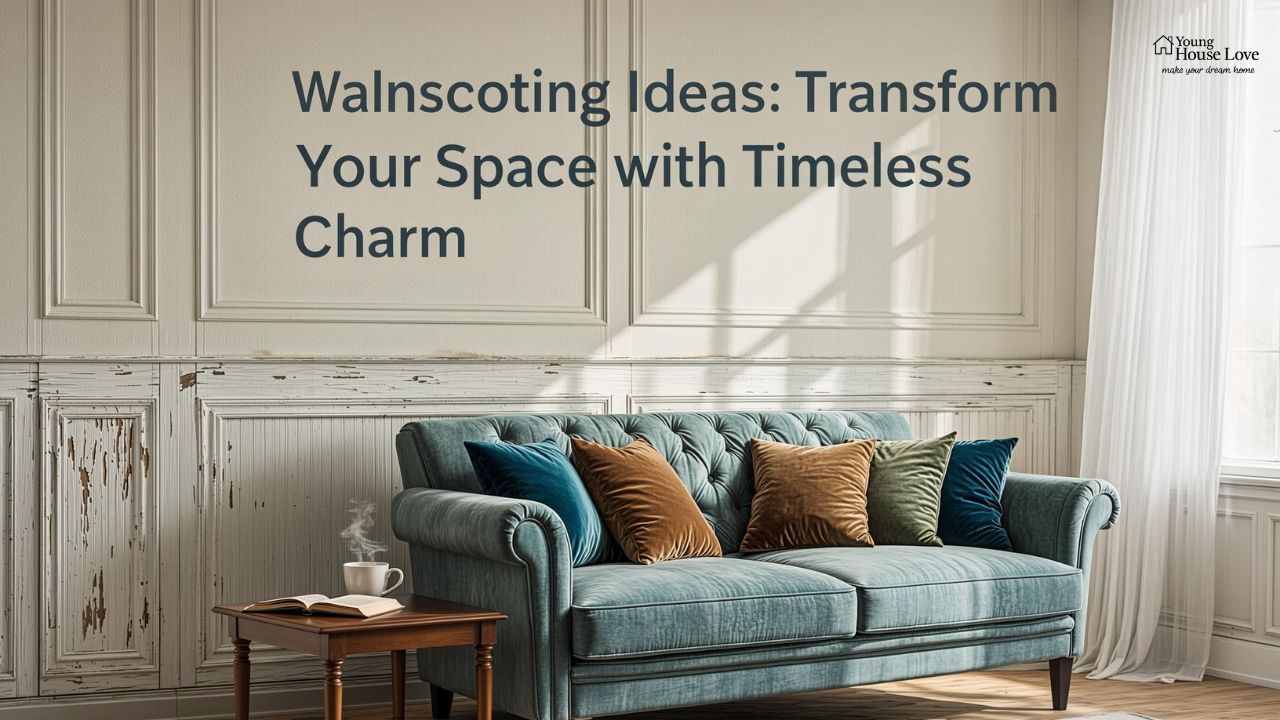
Are you looking to add a touch of elegance and sophistication to your home? Wainscoting ideas can be the perfect solution to transform any room, adding texture, depth, and timeless charm. Whether you’re renovating an old space or adding some character to a new one, wainscoting can elevate the aesthetic of your walls without breaking the bank. From traditional raised panels to sleek modern designs, wainscoting offers versatility and style for every home.
In this article, we’ll dive into the various types of wainscoting, creative installation ideas, and tips on how to use this classic feature in different rooms. Let’s explore how you can enhance your living space with wainscoting and bring an element of classic design to modern homes.

Table of Contents
- What is Wainscoting?
- Types of Wainscoting Styles
- Wainscoting Design Ideas for Every Room
- How to Install Wainscoting: A Step-by-Step Guide
- Benefits of Wainscoting in Home Décor
- Wainscoting Maintenance Tips
- FAQ: Wainscoting Ideas and Tips
- Conclusion
What is Wainscoting?
Wainscoting is a decorative paneling typically installed on the lower part of a wall. Originating from Europe during the 16th century, it was originally used to protect walls from damage caused by chairs and table backs. Over time, it evolved into a beautiful architectural feature that adds texture and visual interest to any room.
Today, wainscoting is a popular choice in both traditional and contemporary home designs, offering both practical and aesthetic benefits. It can be used to complement various interior styles, from rustic farmhouse to sleek modern.
Why Choose Wainscoting?
- Aesthetic Appeal: Wainscoting adds sophistication and charm, giving rooms an elegant, finished look.
- Protective Functionality: In high-traffic areas, wainscoting can help prevent wall damage and make cleaning easier.
- Increase Home Value: Well-done wainscoting can increase the appeal and value of your home, especially if it’s part of a renovation.
Types of Wainscoting Styles
There are several wainscoting styles to choose from, each offering a unique look and feel. Let’s take a look at the most popular types:
Decorative Post adds a stylish and elegant touch to any indoor or outdoor space. Designed to enhance the beauty of gardens, pathways, fences, patios, and home décor, this post combines durability with attractive design. Whether used for lighting, signage, support, or decoration, a Decorative Post creates a polished and sophisticated look while improving the overall appearance of your space.
1. Raised Panel Wainscoting
Raised panel wainscoting is a classic design featuring rectangular or square panels that are raised from the surface of the wall. This style is rich in texture and often associated with traditional or formal spaces. It’s perfect for creating an elegant, classic look in dining rooms, libraries, or entryways.
2. Flat Panel Wainscoting
For a more modern or minimalist look, flat panel wainscoting is an excellent choice. It features flat, smooth panels with a simple border around the edges. This style is ideal for contemporary spaces and works well in bathrooms, kitchens, or modern living rooms.
3. Beadboard Wainscoting
Beadboard wainscoting consists of narrow, vertical panels with a distinct groove (bead) running down the length of each strip. This style adds a charming, cottage-like feel to spaces and is particularly popular in kitchens, bathrooms, and coastal-inspired interiors.
4. Board and Batten Wainscoting
Board and batten wainscoting is characterized by wide boards and thin vertical battens (strips of wood) placed over the seams. This style offers a more rustic, farmhouse look and is often used in mudrooms, hallways, or bedrooms.
5. Shiplap Wainscoting
Shiplap, often associated with modern farmhouse design, consists of overlapping wooden boards that create a textured, rustic look. This style is perfect for adding warmth and texture to living rooms, dining rooms, and kitchens.
Wainscoting Design Ideas for Every Room
Wainscoting is incredibly versatile and can be used in various rooms to create different effects. Here are some room-specific wainscoting ideas:
1. Living Room Wainscoting Ideas
In the living room, wainscoting can serve as a focal point or as a way to complement other design elements. Consider pairing raised panel wainscoting with a bold paint color or wallpaper above to create visual contrast. Add an accent wall with shiplap wainscoting for a cozy, rustic feel.
2. Bathroom Wainscoting Ideas
Bathrooms benefit greatly from wainscoting, especially beadboard, which offers a fresh and airy look. Beadboard wainscoting can add a coastal vibe or a clean, classic look depending on the paint color. For an added touch, pair it with wainscot-style mirrors or light fixtures.
3. Kitchen Wainscoting Ideas
In kitchens, wainscoting adds charm and character to your space. Beadboard or flat panel wainscoting works well in smaller kitchens, while raised panels are ideal for larger, more formal spaces. Add wainscoting to the lower half of your kitchen walls and pair it with cabinetry to create a cohesive, inviting atmosphere.
4. Hallway Wainscoting Ideas
In hallways, wainscoting serves both as a practical feature and an aesthetic enhancement. Consider using board and batten wainscoting to create a modern, streamlined look, or go for a more traditional raised panel style for a stately feel. Don’t forget to add a fresh coat of paint for an updated look.
5. Dining Room Wainscoting Ideas
The dining room is a perfect place to feature elegant wainscoting. Raised panel wainscoting with a bold paint color on the upper walls adds sophistication, while the timeless appeal of wainscoting complements traditional dining furniture. For a contemporary twist, try flat panel wainscoting in neutral tones with modern dining room furniture.
How to Install Wainscoting: A Step-by-Step Guide
If you’re ready to install wainscoting in your home, here’s a simplified guide to get you started:
1. Measure the Wall
Start by measuring the length and height of the wall where you plan to install the wainscoting. This will help you determine how much material you need.
2. Choose the Style and Material
Select the wainscoting style and material that fits your room’s aesthetic. Consider wood, MDF (medium-density fiberboard), or PVC options based on your budget and desired look.
3. Cut the Panels
Using your measurements, cut the wainscoting panels to the correct size. If you’re using pre-made panels, ensure they fit the dimensions of your wall. For a custom look, you can cut the wood into individual panels.
4. Install the Panels
Begin installing the wainscoting from the bottom up, using a level to ensure each piece is straight. Attach the panels with adhesive or nails, depending on the material you’re using.
5. Finish the Edges
Once the panels are installed, finish the edges with trim or molding to cover the seams and create a polished look. Paint the wainscoting to match your design or add contrast with a complementary color.
Benefits of Wainscoting in Home Décor
Adding wainscoting to your home can bring a range of benefits, including:
- Enhanced Aesthetic: Wainscoting adds instant charm, sophistication, and architectural interest to any room.
- Increased Property Value: High-quality wainscoting can increase the appeal and value of your home, especially in areas like the dining room or hallway.
- Durability and Protection: Wainscoting helps protect walls from damage in high-traffic areas, like hallways or entryways, while being easy to clean and maintain.
FAQ: Wainscoting Ideas and Tips
1. What is the best type of wainscoting for a modern home?
Flat panel wainscoting or board and batten style works well in modern homes, offering clean lines and a minimalist design.
2. Can I install wainscoting myself?
Yes, if you have basic DIY skills, you can install wainscoting yourself with the right tools and instructions. However, for complex installations, it may be best to hire a professional.
3. How high should wainscoting be?
Typically, wainscoting is installed to cover the lower third of the wall, but the height can vary depending on the room and desired look.
4. How do I maintain wainscoting?
Regular cleaning with a soft cloth and mild detergent is usually sufficient to keep wainscoting looking its best. For wood wainscoting, occasional polishing may be required.
5. Can wainscoting work in small rooms?
Yes! Wainscoting can make a small room feel more elegant. Be sure to choose lighter colors and smaller paneling to avoid overwhelming the space.
Conclusion
Wainscoting ideas can transform your living space, whether you’re looking for a classic, timeless design or something modern and fresh. This simple yet elegant architectural feature adds texture, style, and value to your home while offering practicality and durability. With so many styles, materials, and design options available, there’s a wainscoting solution for every room in your home. Start planning your wainscoting project today and elevate your home décor to new heights!