Introduction
Some bathrooms feel cold the moment you walk in. Plain walls, harsh lighting, and flat paint can make even a clean room feel unfinished. That is where bathroom wall paneling ideas can completely change the mood.
Instead of relying only on tiles or paint, wall paneling adds depth, warmth, texture, and personality. It can make a small powder room feel charming, a family bathroom feel polished, or a modern ensuite feel calm and spa-like.
The best part is that paneling is flexible. You can use it halfway up the wall, behind a vanity, around a bathtub, in a powder room, or across one feature wall. However, bathrooms are wet spaces, so the right material and finish matter just as much as the look.
In this guide, we will explore practical bathroom wall paneling ideas, suitable materials, design styles, color choices, layout tips, and common mistakes. By the end, you will have a clear idea of what can work in your own bathroom without guessing.
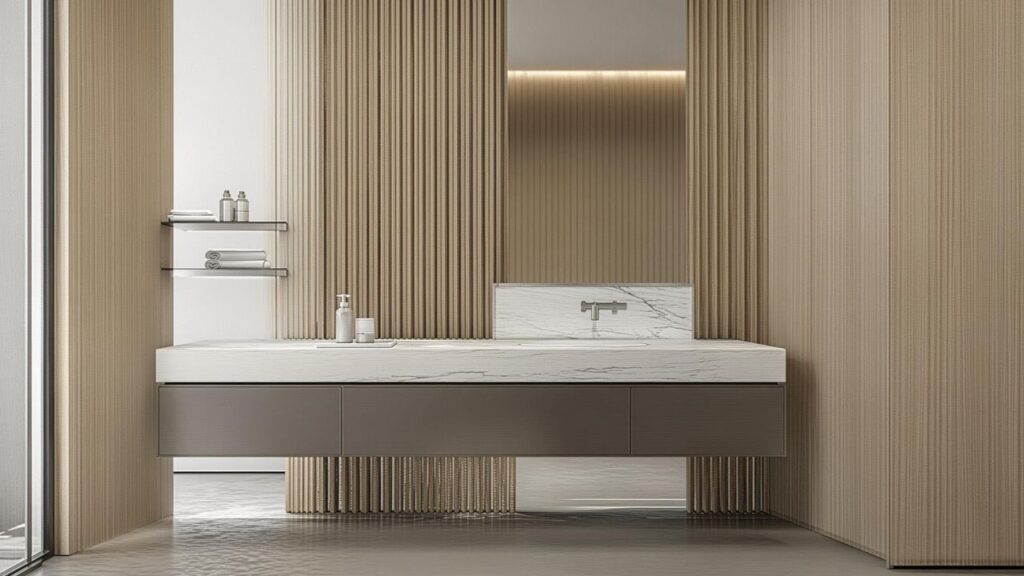
Table of Contents
- Why Bathroom Wall Paneling Works So Well
- Bathroom Wall Paneling Ideas for Different Styles
- Best Materials for Bathroom Wall Panels
- Half-Wall, Full-Wall, and Feature Wall Designs
- Bathroom Wall Paneling Ideas for Small Spaces
- Waterproof and Moisture-Smart Paneling Options
- Color Ideas for Bathroom Wall Paneling
- How to Pair Paneling With Tiles, Paint, and Wallpaper
- Cost, Installation, and DIY Planning
- Common Mistakes to Avoid
- Maintenance Tips for Long-Lasting Panels
- FAQs
- Conclusion
Why Bathroom Wall Paneling Works So Well
Bathroom paneling is more than decoration. It gives walls shape, rhythm, and character. A flat painted wall can look plain, but add vertical boards, raised panels, beadboard, or tongue-and-groove cladding, and the room suddenly feels designed.
One reason homeowners love bathroom wall paneling ideas is that they can suit many budgets. You can create a simple painted beadboard look in a small bathroom or go for premium waterproof panels in a walk-in shower. Both can look beautiful when planned well.
Paneling also helps protect lower walls from scuffs, splashes, and daily wear. In busy bathrooms, the area near the vanity, toilet, and towel hooks often gets marked quickly. A durable panel surface can be easier to wipe than standard painted drywall.
Moisture is the one thing you cannot ignore. Bathrooms naturally deal with steam, splashes, and humidity. The EPA recommends keeping indoor humidity below 60%, ideally between 30% and 50%, to reduce moisture problems indoors. That is why ventilation, sealing, and material choice are so important in any bathroom wall project.
What Is Bathroom Wall Paneling?
Bathroom wall paneling means adding decorative or protective panels, boards, strips, or sheets to bathroom walls. It may cover the lower half of the wall, the full wall, or only one accent area.
Common types include:
- Beadboard paneling
- Shiplap paneling
- Board and batten
- Raised wall panels
- Flat waterproof wall panels
- Tongue-and-groove cladding
- PVC or acrylic wall panels
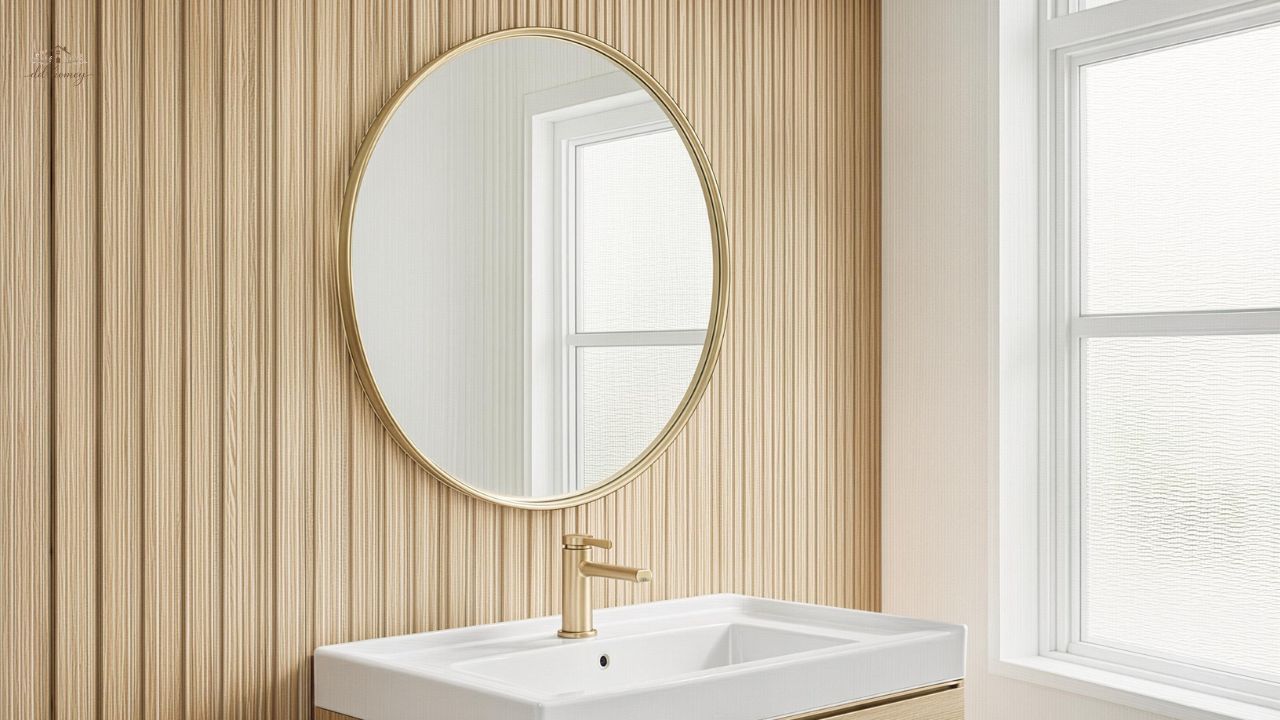
- Fluted or slatted decorative panels
- Tile-effect wall panels
The goal can be decorative, practical, or both. In powder rooms, paneling is often used for style. In wet zones, waterproof panels may be used as an alternative to tile.
Bathroom Wall Paneling Ideas for Different Styles
The right paneling style should match the personality of the bathroom. A traditional home may suit beadboard or raised panels. A modern home may look better with smooth waterproof sheets or vertical slats. A coastal bathroom may feel perfect with painted tongue-and-groove boards.
Good bathroom wall paneling ideas begin with the mood you want. Do you want cozy, clean, elegant, rustic, classic, or hotel-like? Once that feeling is clear, choosing the panel shape, height, and color becomes much easier.
Classic Beadboard Bathroom Paneling
Beadboard has narrow vertical grooves that create a soft, traditional look. It works beautifully in cottage bathrooms, farmhouse bathrooms, coastal powder rooms, and vintage-style spaces.
It is usually installed on the lower half of the wall, often topped with a chair rail or small ledge. White beadboard is the most common choice, but soft sage, dusty blue, cream, beige, and charcoal can also look lovely.
Beadboard is especially useful when a bathroom feels too plain. The vertical lines add texture without making the room feel busy.
Board and Batten Bathroom Walls
Board and batten uses vertical battens over a flat wall or panel surface. It creates a stronger architectural look than beadboard. This style feels clean, structured, and slightly more modern.
It works well behind a freestanding tub, beside a vanity, or around a powder room. For a dramatic effect, paint the paneling and upper wall in the same color. For a lighter look, use paneling below and wallpaper or paint above.
Board and batten is one of the best bathroom wall paneling ideas for people who want a custom look without using busy patterns.
Shiplap Bathroom Paneling
Shiplap can be installed horizontally or vertically. Horizontal shiplap creates a relaxed farmhouse or coastal feeling. Vertical shiplap makes the ceiling feel taller and can suit modern bathrooms too.
The biggest mistake with shiplap is using the wrong material in wet zones. Real wood can swell or warp if moisture gets behind it. If you love the look, choose moisture-resistant boards, PVC shiplap, or properly sealed material.
White shiplap is popular, but darker shades can feel more sophisticated. Navy, forest green, warm gray, and soft black can turn a simple bathroom into a bold design moment.
Raised Panel Bathroom Walls
Raised paneling feels formal and elegant. It is often seen in traditional homes, luxury powder rooms, and classic interiors. The design uses framed panels with depth, giving the wall a furniture-like finish.
This style pairs beautifully with marble counters, brass fixtures, framed mirrors, vintage sconces, and patterned floor tiles. It can also make a small powder room feel expensive without covering every surface in stone.
If you want a timeless look, raised panels painted in soft white, mushroom, taupe, or deep green can be a strong choice.
Modern Flat Wall Panels
Modern bathrooms often look best with cleaner surfaces. Flat wall panels, large-format waterproof sheets, and smooth cladding can create a sleek finish with fewer visual breaks.
This style works well in minimalist bathrooms, hotel-style ensuites, and wet rooms. It can also reduce grout lines, which many homeowners appreciate because grout can be harder to keep clean.
Recent bathroom trend reporting from NKBA’s 2025 outlook points toward spa-like, seamless bathrooms, large-format surfaces, solid surface walls, natural tones, and personalized design. That direction fits well with smooth wall panels and calm material palettes.
Best Materials for Bathroom Wall Panels
Material choice is where style meets real life. A bathroom may look beautiful on day one, but poor materials can bubble, swell, peel, or trap moisture later.
The CDC notes that mold grows where moisture is present and can grow on materials such as paint, wallpaper, drywall, fabric, and wood. That does not mean you cannot use decorative panels, but it does mean the installation must be moisture-smart.
PVC Bathroom Wall Panels
PVC panels are lightweight, water-resistant, and easy to clean. They are commonly used in bathrooms because they handle moisture better than standard MDF or untreated wood.
They come in many finishes, including white gloss, marble effect, tile effect, stone effect, and matte colors. Some designs look more realistic than others, so it is worth seeing samples before buying.
PVC is a practical choice for rental properties, family bathrooms, and quick renovations. However, very cheap panels can look plastic, so quality matters.
MDF Bathroom Paneling
Moisture-resistant MDF can work in bathrooms outside direct wet zones. It is often used for beadboard, board and batten, and decorative lower-wall paneling.
It must be properly primed, painted, sealed, and kept away from regular splashing. Standard MDF is not suitable for damp bathroom areas. If the bathroom has poor ventilation, MDF may not be the safest choice.
Use moisture-resistant MDF only where it makes sense, such as powder rooms, vanity walls, or half-wall treatments away from showers.
Wood Bathroom Paneling
Wood adds warmth that tiles and paint sometimes lack. It can make a bathroom feel calm, natural, and inviting. Teak, cedar, and properly sealed timber can work in selected bathroom areas.
However, wood needs care. It expands and contracts. It can stain. It can also suffer if moisture gets trapped behind it.
For wood-look style with less worry, many homeowners choose wood-effect porcelain tile, waterproof panels, or composite materials.
Acrylic and Solid Surface Panels
Acrylic and solid surface wall panels are smooth, durable, and often used in showers or bathtub surrounds. They create a clean, low-grout look.
They are usually more expensive than basic PVC, but they can feel more premium. They are also easier to wipe down than small tiles with many grout joints.
These panels suit modern bathrooms, accessible showers, and homeowners who want a simpler cleaning routine.
Tile-Effect Wall Panels
Tile-effect panels imitate subway tile, marble tile, stone, or geometric patterns. They give the look of tile without the same installation time.
Some look convincing, while others look less natural up close. The finish, panel thickness, joint system, and edge trims make a big difference.
Tile-effect panels can be useful when you want a fast update, especially in guest bathrooms or budget remodels.
Material Comparison Table
| Material | Best Use | Strengths | Watch Out For |
|---|---|---|---|
| PVC panels | Family bathrooms, shower walls, quick updates | Water-resistant, easy to clean, budget-friendly | Cheap styles may look plastic |
| Moisture-resistant MDF | Half walls, powder rooms, vanity areas | Good for painted decorative designs | Not ideal in direct wet zones |
| Sealed wood | Accent walls, luxury natural designs | Warm, textured, organic | Needs sealing and maintenance |
| Acrylic panels | Shower surrounds, modern bathrooms | Smooth, durable, low maintenance | Higher cost than basic panels |
| Solid surface panels | Premium bathrooms, wet rooms | Seamless feel, strong finish | Professional fitting often needed |
| Tile-effect panels | Budget tile alternative | Fast installation, many styles | Quality varies by brand |
Half-Wall, Full-Wall, and Feature Wall Designs
Panel height changes the entire look of the room. The same panel style can feel casual, elegant, bold, or quiet depending on how much wall it covers.
When reviewing bathroom wall paneling ideas, think about proportion first. A narrow room may need vertical lines. A tall room may suit half-height paneling. A plain room may need one strong feature wall.
Half-Wall Paneling
Half-wall paneling usually covers the lower third or lower half of the wall. It is practical, classic, and easy to style.
It works well in:
- Powder rooms
- Guest bathrooms
- Traditional bathrooms
- Cottage bathrooms
- Vanity walls
- Toilet areas
A common height is around 36 to 48 inches, but there is no single perfect rule. The right height depends on ceiling height, vanity height, mirror placement, and window position.
Full-Wall Paneling
Full-wall paneling makes a stronger statement. It can feel warm and enveloping, especially when painted in a rich color.
Vertical full-wall paneling can make a bathroom feel taller. Horizontal boards can make a wall feel wider. Smooth full-wall panels can make a bathroom feel clean and spa-like.
Use full-wall paneling carefully in small bathrooms. Too much heavy texture can make the room feel tight if the color is dark and lighting is poor.
Feature Wall Paneling
A feature wall is a safer choice if you want impact without covering the whole bathroom. Good locations include:
- Behind the vanity
- Behind a freestanding tub
- Behind open shelves
- Opposite the bathroom door
- Around a mirror wall
Feature walls are especially useful in modern homes, where too many decorative details may feel cluttered.
Bathroom Wall Paneling Ideas for Small Spaces
Small bathrooms can benefit from paneling, but the details need to be balanced. The wrong paneling can make a tiny room feel chopped up. The right paneling can make it feel taller, brighter, and more finished.
One of the smartest bathroom wall paneling ideas for small rooms is vertical paneling. Vertical grooves pull the eye upward and create the feeling of height. This is helpful in powder rooms, narrow bathrooms, and low-ceiling spaces.
Use Light Colors to Open the Room
White, cream, pale gray, warm beige, and soft green can make a small bathroom feel more open. These shades reflect more light and help paneling feel subtle.
That said, dark paneling can still work in a small bathroom if the lighting is strong and the upper wall remains lighter. A deep green half-wall with cream paint above can feel cozy rather than cramped.
Keep the Panel Profile Simple
In small spaces, very chunky trim can look heavy. Slim battens, narrow beadboard, or clean vertical boards usually work better.
Avoid mixing too many textures. If the floor tile is patterned, keep the wall paneling simple. If the paneling is detailed, choose calmer flooring.
Extend Paneling Behind the Vanity
Running paneling behind the vanity creates a built-in look. It makes even a simple sink area feel more intentional.
For small bathrooms, use a wall-mounted mirror, simple sconces, and a compact vanity. Let the paneling add interest without adding clutter.
Add a Narrow Ledge
A small ledge above half-height paneling can hold a candle, plant, framed print, or small decorative item. It adds charm without taking floor space.
Just avoid placing too many items on it. Small bathrooms look better when surfaces are calm.
Waterproof and Moisture-Smart Paneling Options
Bathrooms are not all equally wet. A powder room has very different needs from a shower wall. Before choosing a material, divide the bathroom into zones.
Dry zones include walls far from the tub or shower. Damp zones include vanity areas, toilet walls, and walls that may get occasional steam. Wet zones include shower walls, tub surrounds, and splash-heavy areas.
Best Options for Wet Zones
For wet zones, choose materials made for direct water exposure.
Good choices include:
- PVC shower wall panels
- Acrylic wall panels
- Solid surface panels
- Waterproof composite panels
- Tile-effect waterproof panels
- Porcelain or ceramic tile
Decorative MDF, standard wood, and wallpaper-backed panel systems should not be used inside showers unless the product is specifically rated for wet areas.
Ventilation Matters
Even waterproof panels need good ventilation. A bathroom fan helps remove steam before it settles on walls and ceilings.
If mirrors stay foggy for a long time after showers, the room may need better ventilation. That moisture can affect paint, trim, caulk, and panel joints over time.
Seal Edges and Joints Properly
Edges, corners, seams, and trim lines are weak spots. Water often causes damage by sneaking behind the surface, not by touching the front of the panel.
Use the correct adhesive, sealant, trims, and installation method recommended by the manufacturer. Do not rely on paint alone to protect joints in wet zones.
Color Ideas for Bathroom Wall Paneling
Color decides whether paneling feels fresh, classic, dramatic, or soft. Since bathrooms are usually smaller than living rooms, color has a strong effect.
The safest bathroom wall paneling ideas often use calm colors, but safe does not have to mean boring. Even a soft neutral can look beautiful when the panel profile adds texture.
White and Off-White Paneling
White paneling is bright, clean, and timeless. It works with almost every bathroom style.
Off-white can feel warmer than pure white. It pairs well with brass, chrome, black fixtures, marble, wood vanities, and patterned floors.
Soft Green Paneling
Soft green has become a favorite for bathrooms because it feels natural and calm. Sage, olive, eucalyptus, and muted forest green can all work.
Green paneling pairs beautifully with:
- Brass taps
- Wood vanities
- Cream walls
- Stone floors
- Botanical prints
- Woven baskets
Blue Bathroom Paneling
Blue can feel coastal, classic, or moody depending on the shade. Pale blue feels airy. Navy feels tailored. Dusty blue feels calm and vintage.
Blue paneling works well with white sinks, polished nickel, striped towels, and marble-style surfaces.
Charcoal and Black Paneling
Dark paneling creates drama. It works best when balanced with good lighting, pale counters, mirrors, and warm metal finishes.
A black paneled powder room can feel bold and expensive. In a main bathroom, charcoal half-wall paneling can feel grounded without becoming too heavy.
Warm Neutrals
Beige, mushroom, clay, taupe, greige, and warm gray are excellent for spa-inspired bathrooms. They feel softer than stark white and more timeless than bright colors.
These shades pair well with limestone, travertine, oak, rattan, brushed nickel, and soft linen textures.
Color Pairing Table
| Panel Color | Best Mood | Works Well With |
|---|---|---|
| White | Clean and timeless | Marble, chrome, black fixtures |
| Cream | Warm and soft | Brass, oak, beige stone |
| Sage green | Calm and natural | Wood, plants, brass |
| Navy | Classic and tailored | White tile, nickel, patterned floors |
| Charcoal | Dramatic and modern | Large mirrors, warm lighting |
| Taupe | Spa-like and elegant | Stone, linen, brushed metals |
How to Pair Paneling With Tiles, Paint, and Wallpaper
Paneling rarely stands alone. It usually shares the bathroom with tile, paint, wallpaper, mirrors, vanities, and fixtures. The secret is balance.
If every surface competes, the bathroom feels noisy. If every surface is plain, it feels flat. The best rooms have contrast without chaos.
Paneling With Tile
Tile and paneling can work beautifully together. For example, use tile inside the shower and paneling on the dry walls. This gives wet areas protection while keeping the rest of the bathroom warm and detailed.
Subway tile pairs nicely with beadboard. Marble tile works well with raised panels. Large-format tile suits modern flat panels.
Try to connect the colors. If the tile has gray veining, a soft gray panel color can tie everything together.
Paneling With Paint
Paint above paneling is simple and budget-friendly. The upper wall can be lighter, darker, or the same color.
For a classic look, use white paneling with soft paint above. For a designer look, paint the paneling, trim, and upper wall in one continuous color. This creates a rich, wrapped effect.
Paneling With Wallpaper
Wallpaper above half-height paneling is charming, especially in powder rooms. The paneling protects the lower wall and gives the wallpaper a framed look.
Good combinations include:
- Floral wallpaper with beadboard
- Grasscloth-style wallpaper with raised panels
- Small prints with board and batten
- Botanical wallpaper with green paneling
- Striped wallpaper with classic wainscoting
Use bathroom-suitable wallpaper and good ventilation. Powder rooms are safer for wallpaper than steamy full bathrooms.
Cost, Installation, and DIY Planning
The cost of bathroom paneling depends on material, wall size, trim details, labor, and whether the surface needs repairs. A small half-wall beadboard project can be affordable. A full wet-room panel system costs more.
Before starting, measure every wall carefully. Note the location of outlets, windows, mirrors, towel bars, toilet, vanity, and plumbing. These details affect cutting and installation time.
DIY-Friendly Paneling
Some bathroom wall paneling ideas are friendly for confident DIYers. Beadboard sheets, simple batten strips, and pre-made wall panels can be manageable with the right tools.
DIY may work well if:
- The wall is mostly flat
- The paneling is outside wet zones
- You are painting the finish
- Cuts are simple
- You understand sealing and caulking
- You can remove and reinstall trim neatly
When to Hire a Professional
Hire a professional for shower panels, solid surface panels, complex trim, plumbing-adjacent work, uneven walls, electrical adjustments, or expensive materials.
A poor installation can lead to gaps, water damage, swelling, and messy lines. In a bathroom, small mistakes can become expensive later.
Basic Planning Checklist
Before buying materials, check:
- Is the wall dry and sound?
- Is there any mold or water damage?
- Is the panel product bathroom-safe?
- Will it be used in a wet, damp, or dry zone?
- Does the bathroom have good ventilation?
- Are trims and edges included?
- Can the material be painted or sealed?
- Will the paneling clash with tiles or fixtures?
- Do you need a professional installer?
Common Mistakes to Avoid
Wall paneling can look expensive when done well, but it can also look awkward when rushed. Most mistakes happen because people choose a style before thinking about moisture, scale, and layout.
Using the Wrong Material Near Water
This is the biggest mistake. A material that works in a hallway may fail in a bathroom. Standard MDF, untreated wood, and poor-quality adhesive can suffer in humid conditions.
Always check whether the product is suitable for bathrooms and whether it can handle direct water if used near showers or tubs.
Ignoring Wall Height and Proportion
Paneling that stops at a strange height can make the room feel off. Try to align paneling with the vanity backsplash, window sill, mirror base, or other visual lines.
Half-wall paneling should look intentional, not random.
Choosing Too Many Patterns
Paneling, patterned tile, bold wallpaper, veined counters, and decorative mirrors can all be beautiful. Together, they may feel overwhelming.
Choose one main feature. Let the other elements support it.
Forgetting About Trim Details
Edges matter. Corners, top rails, baseboards, and transitions around tile must look clean.
Cheap trims can make good panels look unfinished. Spend time choosing the right profiles.
Painting Without Proper Prep
Bathrooms need durable paint finishes. Use primer where needed and choose paint suitable for moisture-prone rooms.
Skipping prep can lead to peeling, uneven sheen, and poor durability.
Maintenance Tips for Long-Lasting Panels
Good bathroom paneling should not need constant attention, but it does need basic care. Regular cleaning and moisture control help protect the finish.
Wipe splashes quickly, especially near sinks and tubs. Check caulk lines every few months. If you see gaps, cracking, or peeling, repair them before moisture gets behind the paneling.
Cleaning Painted Paneling
Use a soft cloth and mild cleaner. Avoid harsh scrubbing, especially on satin or eggshell finishes.
Dust can settle into grooves, so beadboard and slatted panels may need a quick wipe more often than flat panels.
Cleaning Waterproof Panels
PVC, acrylic, and solid surface panels are usually easy to wipe. Avoid abrasive pads that may scratch glossy surfaces.
Follow the manufacturer’s cleaning instructions. Some chemicals can damage finishes or sealants.
Watch for Early Warning Signs
Look for:
- Bubbling paint
- Soft or swollen edges
- Musty smells
- Dark spots near seams
- Loose trim
- Cracked caulk
- Condensation that lingers
These signs do not always mean disaster, but they should not be ignored. Early fixes are usually much easier than repairing hidden water damage.
Bathroom Wall Paneling Ideas by Room Type
Different bathrooms need different choices. A guest powder room can be more decorative. A children’s bathroom needs durability. A main ensuite may need a calmer, more refined finish.
Powder Room Paneling
Powder rooms are perfect for bolder choices because they are usually smaller and less humid than full bathrooms.
Try dark raised panels, wallpaper above beadboard, or a rich board and batten design. Since there is no shower, you have more freedom with decorative finishes.
Family Bathroom Paneling
Family bathrooms need tough surfaces. Kids splash water, towels rub walls, and daily use can be rough.
Choose wipeable finishes, moisture-resistant materials, and practical colors. Half-wall paneling can protect high-contact areas while keeping the room stylish.
Ensuite Bathroom Paneling
Ensuites usually benefit from calm, spa-like design. Smooth panels, warm neutrals, vertical boards, and soft lighting work well.
For a luxury feel, use paneling behind the vanity or tub, then keep the shower area sleek with tile or waterproof sheets.
Guest Bathroom Paneling
Guest bathrooms should feel welcoming and easy to use. Simple beadboard, soft paint, and clean trim can make the space feel finished without overdoing it.
Add good lighting, fresh towels, and a small plant for warmth.
Best Bathroom Wall Paneling Ideas for a High-End Look
You do not always need luxury materials to create a high-end bathroom. Often, the difference is proportion, finish, and restraint.
One of the most elegant bathroom wall paneling ideas is color drenching. This means painting the paneling, trim, door, and sometimes ceiling in related shades. It makes the room feel designed rather than pieced together.
Another high-end trick is to pair simple paneling with beautiful hardware. A plain paneled wall can look expensive beside a stone vanity top, brass sconces, and a well-sized mirror.
Lighting also matters. Shadows make panel profiles look richer. Wall sconces, picture lights, and soft ceiling lights can bring out the texture.
Luxury-Looking Combinations
Try these pairings:
- Taupe raised panels with marble vanity top
- Dark green board and batten with brass fixtures
- White beadboard with patterned floor tile
- Vertical oak-look panels with a floating vanity
- Charcoal half-wall paneling with warm sconces
- Cream tongue-and-groove walls with limestone flooring
The secret is not using every beautiful idea at once. Let one feature lead.
FAQs
Are bathroom wall panels better than tiles?
Bathroom wall panels can be better than tiles in some situations, especially when you want faster installation, fewer grout lines, or a smoother finish. Tiles are still excellent for wet areas, but waterproof panels can be a practical alternative in showers and tub surrounds.
Can I use wood paneling in a bathroom?
Yes, but only with care. Wood should be sealed properly and kept away from direct water unless it is designed for damp areas. For a lower-maintenance option, consider PVC, composite, or wood-effect panels.
What are the best bathroom wall paneling ideas for small bathrooms?
The best bathroom wall paneling ideas for small bathrooms include vertical beadboard, slim board and batten, light-colored half-wall paneling, and simple feature walls behind the vanity. These choices add detail without making the room feel crowded.
Is MDF paneling safe for bathrooms?
Moisture-resistant MDF can work in dry or lightly damp bathroom areas, such as powder rooms or vanity walls. It should not be used inside showers or places with regular water contact.
What height should bathroom wall paneling be?
Common heights range from about one-third of the wall to half-wall height. Many homeowners choose 36 to 48 inches, but the best height depends on the vanity, window, mirror, ceiling, and overall room proportions.
Can wall paneling be used in a shower?
Yes, but only if the panels are specifically made for wet areas. Waterproof PVC, acrylic, solid surface, and approved shower wall panels can be used. Decorative wood or MDF paneling should not be used inside showers.
What color is best for bathroom paneling?
White, cream, sage green, navy, taupe, and charcoal are popular choices. The best color depends on the size of the bathroom, natural light, flooring, fixtures, and the mood you want.
Does bathroom paneling make a room look smaller?
Not always. Vertical paneling can make walls look taller, and light colors can make the space feel brighter. Heavy trim, dark colors, or too many patterns may make a small bathroom feel tighter.
Can I install bathroom wall paneling myself?
Some simple paneling projects can be DIY-friendly, especially outside wet zones. However, shower panels, complex trim, plumbing-adjacent walls, and expensive materials are usually better handled by a professional.
How do I make bathroom paneling last longer?
Use bathroom-safe materials, seal joints properly, ventilate the room, wipe water quickly, check caulk lines, and clean panels with gentle products. Moisture control is the most important part.
Conclusion
Bathroom wall paneling ideas can take a bathroom from plain to personal without making the design feel forced. The right panels add texture, warmth, structure, and charm, whether you love classic beadboard, modern flat panels, rustic shiplap, or elegant raised trim.
The most successful designs balance beauty with bathroom reality. Choose materials that suit the moisture level, plan the height carefully, keep colors connected, and never ignore ventilation or sealing.
When done thoughtfully, paneling does more than decorate the walls. It makes the bathroom feel cared for, comfortable, and complete—the kind of space that feels good every single morning.