Introduction
A beautiful home rarely begins with one perfect idea. More often, it starts with a saved photo, a color you cannot stop thinking about, or a room that makes you whisper, “That’s the feeling I want.” That is exactly why houzz interior design has become such a useful starting point for homeowners, renters, decorators, and renovation dreamers.
The value is not only in scrolling through beautiful rooms. The real benefit is learning how to turn inspiration into clear decisions: what style fits your home, which colors work in your natural light, how much a project may cost, and when it makes sense to hire a professional.
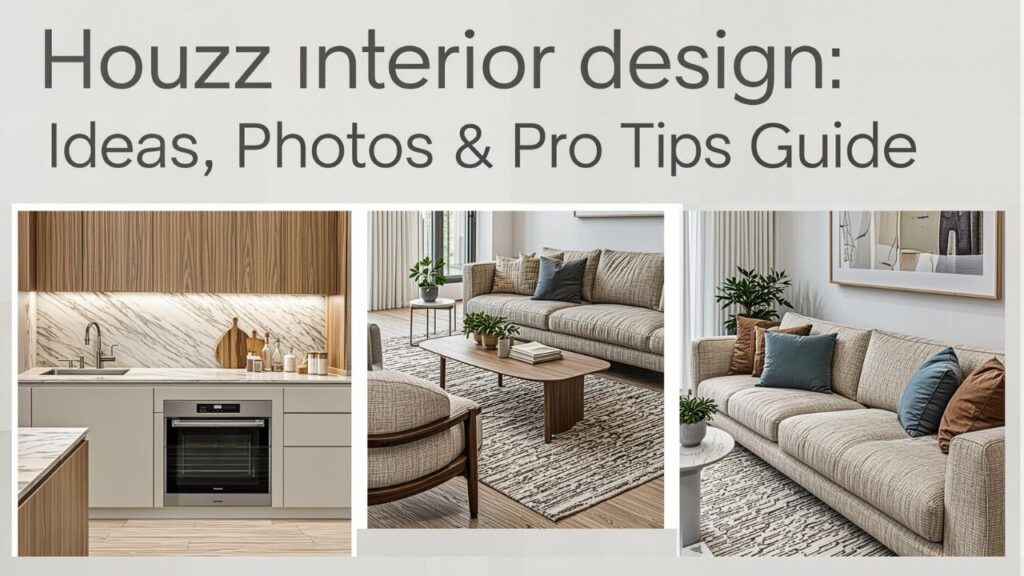
Houzz says its photo collection includes millions of inspiring images from design professionals. Its app listing also describes access to more than 25 million high-resolution photos of home interiors and exteriors that users can filter by style, location, or room. That makes houzz a powerful source for home decor ideas, renovation planning, and visual inspiration.
However, inspiration can quickly become overwhelming. One minute you are saving modern kitchens, and the next you are torn between coastal bedrooms, dark green bathrooms, arched doorways, fluted cabinets, and a sofa that may not even fit through your front door.
This guide explains how to use houzz interior design wisely, plan rooms with confidence, explore current interior design trends, and avoid choices that look beautiful online but fail in real life.
Table of Contents
- What Is houzz interior design?
- Why Houzz Became a Go-To Design Platform
- How to Use Houzz for Interior Design Inspiration
- Finding and Hiring Interior Designers on Houzz
- Room-by-Room Houzz Design Ideas
- Small Space and Small Home Interior Design Ideas
- Trends, Colors, Materials, and Style Direction
- Costs, Budgets, and Renovation Planning
- Houzz Background, Business Growth, and Financial Insights
- Common Mistakes to Avoid
- How to Build a Houzz-Inspired Room From Scratch
- FAQ
- Conclusion
What Is houzz interior design?
houzz interior design refers to using Houzz as a source for interior design inspiration, professional portfolios, remodeling ideas, room photos, product discovery, and connections with designers, decorators, architects, remodelers, and home improvement experts.
In simple terms, it is a way to see what is possible before changing your own home. You can browse living rooms, kitchens, bedrooms, bathrooms, dining rooms, offices, entryways, laundry rooms, outdoor spaces, and full renovation projects. Then you can save images, compare styles, study layouts, and sometimes contact professionals whose work matches your taste.
The platform is especially useful because it organizes design ideas visually. Instead of reading abstract advice like “add texture,” you can see what texture looks like in a real room: linen curtains, ribbed wood, stone counters, wool rugs, woven pendants, plaster walls, patterned tile, or layered neutral fabrics.
Houzz’s home design ideas page encourages users to explore textures, paint colors, patterns, and room inspiration through its photo collection. That kind of visual browsing is powerful because many homeowners know what they like when they see it, even if they do not yet have the vocabulary to describe it.
A clear definition
houzz interior design is the practice of using Houzz’s design photos, professional directories, editorial content, product ideas, and planning tools to shape interior design decisions for real homes. It can support small decor refreshes, full remodels, new construction planning, and professional hiring.
The key word is “support.” Houzz can inspire and organize your thinking, but it does not replace measuring, budgeting, sampling, professional advice, local building codes, or the reality of how your family actually lives.
Why Houzz Became a Go-To Design Platform
Houzz became popular because home design is deeply visual and deeply personal. Before platforms like this, homeowners often relied on magazines, showrooms, word of mouth, or scattered web searches. Houzz brought many of those pieces together: images, portfolios, professional profiles, reviews, articles, and project ideas.
Architectural Digest reported that Houzz was created after founders Alon Cohen and Adi Tatarko struggled to find the right professionals and communicate their aesthetic preferences during their own renovation. The platform launched in 2009 to help users connect with architecture and interior design professionals.
That origin story matters because it explains the problem Houzz solves. Most people do not begin a home project with technical drawings. They begin with emotion:
- “I want this room to feel warmer.”
- “This kitchen feels outdated.”
- “We need better storage.”
- “This bathroom no longer works for our family.”
- “I want guests to feel relaxed when they walk in.”
A visual platform bridges the gap between feeling and execution. You may not know whether you like transitional, organic modern, contemporary, coastal, traditional, Scandinavian, or cottage-inspired interiors. But after saving 40 images, patterns begin to appear.
Maybe you love warm wood, not gray floors. Maybe you keep saving built-ins. Maybe every kitchen you like has brass hardware and soft white cabinets. Maybe your favorite rooms all include layered rugs, natural textures, and warm lighting.
That is where houzz interior design becomes useful. It helps you identify your own taste before you spend money.
Why homeowners use Houzz
Houzz is helpful for several common design situations:
- You know your room feels wrong but cannot explain why.
- You want to compare styles before remodeling.
- You need interior decorating ideas for one room or the whole home.
- You want to find local designers or decorators.
- You need kitchen, bedroom, bathroom, or living room ideas.
- You want to collect references before meeting a contractor.
- You are trying to understand current interior design trends.
- You need examples of materials, layouts, lighting, or storage.
- You want to show a professional what you mean visually.
That last point is one of the biggest benefits. Showing a designer five images you love and five you dislike can be more useful than saying, “I want something modern but cozy.”
How to Use Houzz for Interior Design Inspiration
The easiest way to use Houzz is to scroll and save. The smartest way is to scroll, save, sort, and study. Inspiration becomes useful only when it turns into decisions.
Start with one room at a time. If you are remodeling a kitchen, do not save every beautiful laundry room, nursery, or garden path you see. Stay focused long enough to understand what your specific project needs.
Then save images into idea collections. Create separate boards for kitchen layout, cabinet colors, backsplash tile, lighting, storage, furniture, and mood. If everything goes into one giant folder, you may eventually forget why you saved half of it.
Look for patterns, not perfection
A common mistake is falling in love with one photo and trying to copy it exactly. That rarely works because your room has different light, dimensions, architecture, budget, furniture, and daily demands.
Instead, look for patterns across many images. Ask yourself:
- Do I keep saving warm colors or cool colors?
- Do I like open shelves or closed cabinets?
- Am I drawn to symmetry or relaxed layering?
- Do I prefer bold contrast or quiet neutrals?
- Is the furniture low and modern or soft and traditional?
- Do I like polished finishes or natural textures?
- Are the rooms simple, colorful, rustic, luxurious, minimal, or collected?
This is where houzz interior design becomes more than browsing. It becomes a way to understand your own taste and create a design direction that fits your real home.
Translate photos into practical choices
A photo may inspire you, but your home needs decisions. Turn inspiration into a short design brief.
| Saved Image Detail | What It Might Mean for Your Room |
|---|---|
| You saved many rooms with wood beams | You may want warmth, texture, or rustic architecture |
| You saved kitchens with hidden storage | Function matters more than display |
| You saved dark bathrooms | You may like mood, drama, and contrast |
| You saved neutral bedrooms | Calm may be your priority |
| You saved bold wallpaper | You want personality in controlled doses |
| You saved rooms with large rugs | Your space may need softness and visual anchoring |
| You saved curved sofas | You may prefer organic shapes over sharp lines |
This simple exercise turns scattered home decor ideas into a realistic plan.
Finding and Hiring Interior Designers on Houzz
Houzz is not only a photo platform. It also helps homeowners discover professionals. Its interior designer directory allows users to browse local interior designers and decorators, review portfolios, read client reviews, and contact professionals for quotes.
Hiring a designer can be useful when the project involves multiple rooms, costly materials, custom furniture, layout problems, renovation decisions, or simply too many choices. Good designers do not just make rooms pretty. They help create a plan, narrow options, prevent mistakes, and coordinate the visual logic of a home.
That said, not every project needs a full-service designer. Some homeowners need a one-time consultation. Others need help choosing paint, furniture, or window treatments. Larger remodels may need interior designers working alongside architects, contractors, cabinetmakers, lighting designers, or kitchen and bath specialists.
What to look for in a Houzz designer profile
A strong profile should help you answer practical questions:
- Do they work in your area?
- Do they show projects similar to yours?
- Is their style flexible or highly specific?
- Do their reviews mention communication, budget, and follow-through?
- Do they explain their services clearly?
- Do they handle sourcing, purchasing, installation, or project management?
- Do their photos show real completed work?
- Do they understand the type of home you have?
Do not choose based on one beautiful image alone. A designer may have one stunning project that is nothing like your needs. Look for consistency, problem-solving, and signs that clients felt heard.
Questions to ask before hiring
| Question | Why It Matters |
|---|---|
| What services do you offer? | Clarifies consultation vs. full-service design |
| How do you charge? | Prevents budget confusion |
| Have you handled similar homes? | Shows relevant experience |
| Do you work with contractors? | Helps during remodels |
| How do revisions work? | Avoids frustration later |
| Can you work within my budget? | Tests realism and fit |
| What decisions will I need to make? | Prepares you for the process |
| Do you source furniture and finishes? | Clarifies responsibilities |
A good designer relationship should feel collaborative. You do not want someone who ignores your taste. You also do not want someone who simply agrees with everything and never guides you.
Room-by-Room Houzz Design Ideas
Houzz is especially helpful because design decisions change by room. A kitchen needs workflow. A bedroom needs rest. A living room needs comfort. A bathroom needs moisture-aware materials. A home office needs focus.
Living room ideas
Living rooms often carry too many jobs. They may need to support TV watching, conversation, reading, children, guests, pets, storage, and sometimes work. Houzz’s living room ideas page notes that living rooms can serve many purposes and recommends incorporating furniture pieces that support those activities, especially storage in tight spaces.
When browsing living room ideas, study layout first. Pretty pillows are easy to change. Furniture placement is harder. Notice how the sofa relates to chairs, windows, fireplaces, TVs, rugs, and traffic paths.
A strong living room usually has:
- A clear seating area
- A rug large enough to anchor furniture
- Layered lighting
- Storage for everyday clutter
- A mix of textures
- Art or a focal point
- Comfortable walking paths
If your living room never feels finished, the problem may not be decor. It may be scale. A too-small rug, tiny coffee table, undersized art, or furniture pushed awkwardly against every wall can make even expensive items feel wrong.
Kitchen ideas
Kitchen inspiration can be dangerous because it is easy to save beautiful finishes without thinking about workflow. Before choosing cabinet colors, study the practical layout. Where will you prep? Where will dishes live? Can two people cook at once? Is the trash near the sink? Is there enough lighting?
Houzz’s renovation studies often show that kitchens and bathrooms remain major home improvement categories because they combine daily function with high cost. That makes planning especially important.
For kitchens, use Houzz images to compare:
- Cabinet styles
- Island layouts
- Backsplash height
- Counter materials
- Pendant lighting
- Appliance placement
- Pantry ideas
- Seating arrangements
- Flooring transitions
- Storage solutions
The best kitchen is not the one with the trendiest backsplash. It is the one that works beautifully at 7:30 on a chaotic weekday morning.
Bedroom ideas
Bedroom photos are useful for studying mood. Do you prefer a calm hotel look, layered cottage style, moody dark walls, soft neutrals, or organic modern textures?
Look closely at lighting and textiles. Bedrooms often fail because they rely on one overhead light and thin bedding. Houzz-style bedroom inspiration can help you see how lamps, rugs, curtains, bedding layers, artwork, and nightstands work together.
A beautiful bedroom usually needs less than people think: a good bed, practical nightstands, soft lighting, window coverings, texture, and enough storage to keep visual clutter down.
Bathroom ideas
Bathrooms are where pretty photos need practical caution. Tile, stone, glass, grout, lighting, ventilation, waterproofing, and storage all matter.
When browsing bathroom inspiration or planning a bathroom remodel, ask:
- Is this material easy to clean?
- Is the shower properly enclosed?
- Is there enough storage?
- Is the lighting flattering and functional?
- Would this floor be slippery?
- Does the vanity fit the room’s real dimensions?
- Is this a powder room idea or a daily family bathroom idea?
Small bathrooms can handle drama, but daily bathrooms need durability. A dark wallpapered powder room may be stunning. A children’s bath may need wipeable surfaces and forgiving tile.
Home office ideas
Home offices became more important as work patterns changed, and Houzz can help users compare desk placement, shelving, lighting, acoustic softness, storage, and video-call backgrounds.
A good home office should support focus, but it should not feel like a corporate cubicle dropped into your house. Use warm lighting, comfortable seating, closed storage, and a calm background that works for daily routines.
Small Space and Small Home Interior Design Ideas
Small homes require careful choices. Every item must work harder, and every inch matters. That is why Houzz can be especially useful for people searching for how to design a small space, small home interior design ideas, or interior design ideas for small house projects.
The goal is not to make a small room look like a large one. The goal is to make it feel balanced, comfortable, and useful.
How to design a small space
When learning how to design a small space, begin with function. Decide what the space must do before you decide how it should look. A studio apartment, compact living room, small bedroom, or narrow entryway needs a clear purpose.
For small spaces, prioritize:
- Multi-functional furniture
- Closed storage
- Proper lighting
- Clear walkways
- Furniture with visible legs
- Mirrors used carefully
- A limited color palette
- Vertical storage
- Fewer but better accessories
A small room does not have to be plain. It can include color, pattern, texture, and personality. The trick is editing. Too many unrelated pieces make the room feel smaller.
Small home interior design ideas that work
The best small home interior design ideas usually solve more than one problem. A storage bench can provide seating and hide clutter. A wall-mounted desk can create a workspace without taking over the room. A round dining table can improve flow in a tight area. A bed with drawers can reduce the need for bulky furniture.
Good small home interior design also depends on scale. Oversized furniture can overwhelm a compact home, but furniture that is too tiny can look cheap and uncomfortable. The right scale gives a small room confidence.
Interior design ideas for small house planning
When searching Houzz for interior design ideas for small house layouts, look beyond decor. Study how designers handle transitions from one zone to another. In a small house, the living room may connect directly to the kitchen, dining area, entry, or staircase. Those zones should feel connected without becoming visually chaotic.
A few smart strategies include:
- Repeat one wood tone throughout the home.
- Use similar metal finishes for lighting and hardware.
- Keep large furniture pieces simple.
- Add personality through art, textiles, and smaller accents.
- Use rugs to define zones without building walls.
- Choose lighting that supports different activities.
Small homes often feel best when they are cohesive. Every room does not need to match, but the overall design should feel intentional.
Trends, Colors, Materials, and Style Direction
One useful way to read Houzz is as a trend signal. The platform gathers input from homeowners, professionals, photos, and editorial research, so it often reflects what people are actually considering for real projects.
Houzz’s design trend reporting has highlighted bold color, personality, wallpaper, statement ceilings, painted doors, playful patterns, and a move toward more individual, emotionally resonant design choices.
That is a helpful shift. For years, many homeowners made safe resale-driven choices: gray floors, white walls, simple subway tile, and neutral everything. Those choices can still be beautiful, but more people now want homes that feel personal rather than generic.
Popular interior design trends to watch
| Design Direction | What It Looks Like | How to Use It Carefully |
|---|---|---|
| Warm minimalism | Soft neutrals, wood, texture, clean lines | Add enough texture so it does not feel empty |
| Organic modern | Curves, stone, plaster, natural fibers | Balance sculptural pieces with comfort |
| Colorful interiors | Jewel tones, painted doors, wallpaper | Start with small rooms if nervous |
| Traditional revival | Classic details, warmer woods, patterns | Avoid making rooms feel overly formal |
| Statement ceilings | Color, beams, wallpaper, paneling | Use where ceiling height and lighting support it |
| Textured walls | Limewash, plaster, grasscloth, paneling | Test samples in real light |
| Personalized kitchens | Mixed metals, cabinet colors, display storage | Keep layout practical |
These interior design trends are useful when they clarify what you already love. They become risky when you copy them only because everyone else is doing it.
How to avoid trend regret
Before choosing a trend, ask:
- Would I still like this in five years?
- Does it suit my home’s architecture?
- Is it easy to change later?
- Is it expensive to reverse?
- Does it make daily life better?
Wallpaper in a powder room is a manageable risk. Trendy tile throughout an expensive bathroom is a bigger commitment. Painted doors are easier to update than custom cabinetry. A bold sofa costs more to replace than bold pillows.
The best home design choices come from balancing inspiration with practicality.
Costs, Budgets, and Renovation Planning
Houzz is not only for inspiration; it can also help homeowners understand the financial reality of projects. Its renovation research offers useful context for how people spend on their homes, especially in major project categories such as kitchens, bathrooms, and whole-home updates.
Costs vary dramatically by region, project size, labor, materials, home age, and scope. A powder room refresh may involve paint, lighting, a mirror, and wallpaper. A full kitchen renovation may involve cabinets, appliances, counters, plumbing, electrical, flooring, demolition, permits, and months of coordination.
Budget planning table
| Project Type | Budget Risk | What to Plan Early |
|---|---|---|
| Living room refresh | Low to medium | Furniture scale, rug size, lighting |
| Bedroom update | Low to medium | Bedding, storage, curtains, lamps |
| Bathroom remodel | Medium to high | Waterproofing, tile, plumbing, ventilation |
| Kitchen remodel | High | Layout, cabinets, appliances, permits |
| Whole-home design | High | Phasing, designer fees, contractor schedule |
| Furniture package | Medium | Lead times, delivery, measurements |
| Custom built-ins | Medium to high | Design drawings, electrical, finishes |
How Houzz can help budget conversations
Save images in three categories: dream, realistic, and must-have. This helps you separate emotional wish lists from project essentials.
For example, your dream kitchen image may include a custom plaster hood, marble slab backsplash, paneled appliances, and handmade tile. Your realistic version may use quartz counters, painted cabinets, and one statement light. Your must-have list may be better storage, brighter lighting, and a larger sink.
This approach makes conversations with designers and contractors more productive. They can help you protect the priorities and find savings elsewhere.
Where to spend more
Spend more on layout, lighting, durable materials, professional installation, and items you touch every day: cabinets, sofas, faucets, flooring, mattresses, chairs, and window treatments.
Where to save
Save on accessories, seasonal decor, trendy pillows, simple mirrors, small tables, and items that are easy to replace. You can also save by keeping plumbing locations, refinishing instead of replacing, or phasing projects over time.
Houzz Background, Business Growth, and Financial Insights
Because this topic focuses on a platform rather than one interior designer, the most relevant background is the story of Houzz itself and the design professionals who use it.
Houzz was founded by Alon Cohen and Adi Tatarko after their own renovation frustrations. Architectural Digest reported that they launched the site in 2009 to help people communicate aesthetic preferences and connect with design professionals.
That personal origin is important because the platform grew from a real homeowner problem: inspiration was scattered, communication was hard, and finding the right professional felt uncertain.
Over time, Houzz expanded into a larger design and remodeling ecosystem. Houzz Pro now supports construction and design professionals with tools such as estimates, proposals, invoicing, project management, and visual planning features.
The achievement is not simply that Houzz hosts beautiful photos. Its larger impact is that it helped normalize visual planning for everyday homeowners. People can now save references, compare styles, study professional portfolios, and start conversations with designers in a more informed way than they could with a folder of torn magazine pages.
Financial insights for homeowners and professionals
A precise private-company valuation or founder net worth should not be invented without reliable current public financial disclosures. The more useful financial insight for homeowners is this: Houzz can reduce decision risk if you use it thoughtfully.
A poorly planned renovation can become expensive because of wrong materials, unclear scope, mismatched expectations, and late changes. Houzz can help homeowners communicate visually, compare options, and prepare for professional conversations. That does not guarantee savings, but it can reduce confusion.
For design professionals, the platform can function as a visibility tool, portfolio hub, lead source, and project-management ecosystem through Houzz Pro. For homeowners, it can serve as a bridge between inspiration and action.
Common Mistakes to Avoid
Houzz is powerful, but it can overwhelm you if you use it without discipline. The problem is not too little inspiration. It is too much inspiration with no filter.
Saving everything
If you save every room you like, your idea book becomes confusing. Save with purpose. Add notes explaining what you liked: the cabinet color, rug size, window treatment, lighting mood, tile pattern, furniture shape, or storage solution.
Copying rooms exactly
Your home is not the photo. Your ceiling height, natural light, budget, window placement, and lifestyle are different. Use images as direction, not instruction.
Ignoring scale
A sofa that looks perfect in a large photographed room may overwhelm your apartment. A chandelier that looks elegant online may hang too low over your actual table. Measure everything before buying.
Forgetting daily life
A white boucle chair may be beautiful, but maybe not beside a toddler’s snack zone. Open shelving may look airy, but maybe not if you dislike dusting. A dramatic dark bathroom may be stunning, but only if the lighting is good.
Choosing trends without testing
Wallpaper, tile, paint, counters, and flooring should be sampled in your real light. Screens distort color. Professional photos are edited. Real rooms have shadows, clutter, pets, sunlight, and everyday mess.
Hiring based only on photos
Beautiful photos matter, but reviews, communication, process, scope, and fit matter too. A designer’s best project may not reflect how they handle budgets, revisions, or timelines.
Skipping the budget conversation
Do not show a designer luxury images and then hide your real budget. A good professional can translate the feeling into something achievable, but only if they know the constraints.
How to Build a Houzz-Inspired Room From Scratch
A room comes together more easily when you follow a sequence. Many people start with accessories, but accessories should usually come last.
Step 1: Define the room’s job
Ask what the room must do. A living room may need TV watching, conversation, storage, and pet-friendly seating. A bedroom may need rest, blackout curtains, and better closet organization. A kitchen may need prep space, seating, and durable finishes.
Step 2: Save 20 focused images
Do not save 200 yet. Save 20 images for one room and write what you like about each one. This creates clarity quickly.
Step 3: Identify repeating themes
Look for repeated colors, materials, layouts, furniture shapes, lighting styles, and moods. These repeated choices are your real preferences.
Step 4: Measure your actual room
Measure walls, windows, doors, ceiling height, furniture, outlets, and traffic paths. Inspiration without measurements leads to returns, delays, and regret.
Step 5: Set a realistic budget
Separate must-haves from nice-to-haves. Leave room for delivery, installation, taxes, labor, repairs, and mistakes.
Step 6: Choose anchor pieces
Start with the largest or most permanent choices: sofa, bed, cabinets, flooring, counters, dining table, rug, or major lighting.
Step 7: Layer slowly
Add art, lamps, curtains, pillows, plants, books, trays, and personal details after the main pieces are settled. This keeps the room from feeling cluttered or forced.
FAQ
What is houzz interior design used for?
houzz interior design is used for finding home inspiration, saving room photos, exploring styles, comparing materials, discovering professionals, and planning decor or renovation projects more visually.
Is Houzz good for finding interior designers?
Yes. Houzz can be useful for finding designers because it lets users browse portfolios, read reviews, and contact professionals. Always verify experience, services, pricing, and fit before hiring.
Can I use Houzz without hiring a designer?
Yes. Many people use Houzz only for inspiration, room ideas, product research, and planning. For complex remodels, hiring a designer or contractor may still be wise.
How do I organize Houzz inspiration?
Create separate idea books by room, style, material, or project phase. Add notes to each saved photo so you remember whether you liked the color, layout, lighting, tile, furniture, or mood.
Are Houzz photos realistic for normal homes?
Some are realistic, while others are professionally styled, edited, or high-budget. Use photos as inspiration, but adapt them to your room size, budget, lifestyle, and natural light.
What should I ask an interior designer on Houzz?
Ask about services, fees, project timeline, revision process, sourcing, contractor coordination, budget experience, and whether they have completed similar projects.
Can Houzz help with renovation budgeting?
It can help you understand project types, style direction, and spending context through articles and research. For accurate pricing, you still need local quotes from qualified professionals.
How do I avoid copying a design too closely?
Focus on what you love about the image rather than recreating every item. Copy the mood, palette, or layout idea, then adapt materials and furniture to your own home.
Does Houzz show current design trends?
Yes. Houzz publishes trend reports and editorial features based on design activity, professional input, and homeowner interest. Use trends as guidance, not rules.
What is the best way to start a room design on Houzz?
Start with one room, save focused images, identify repeating patterns, measure your space, set a budget, and then decide whether you need professional help.
How can I design a small home using Houzz?
Use Houzz to collect small home interior design ideas, compare layouts, study storage solutions, and identify furniture that fits your room size. Focus on function first, then add style through lighting, textiles, art, and carefully chosen decor.
Conclusion
houzz interior design is most valuable when it helps you move from vague inspiration to clear decisions. It can show you styles you had no words for, help you compare rooms, reveal patterns in your taste, and connect you with professionals who understand the look you want.
The secret is to browse with intention. Save thoughtfully. Study what repeats. Measure your real room. Test colors and materials. Be honest about budget. Ask better questions before hiring anyone.
A home should never feel like a copied photo. It should feel like your life, edited with care. Used well, Houzz can help you get there, not by telling you exactly what to choose, but by helping you see what feels right before you spend the money, sign the contract, or paint the wall.