Introduction
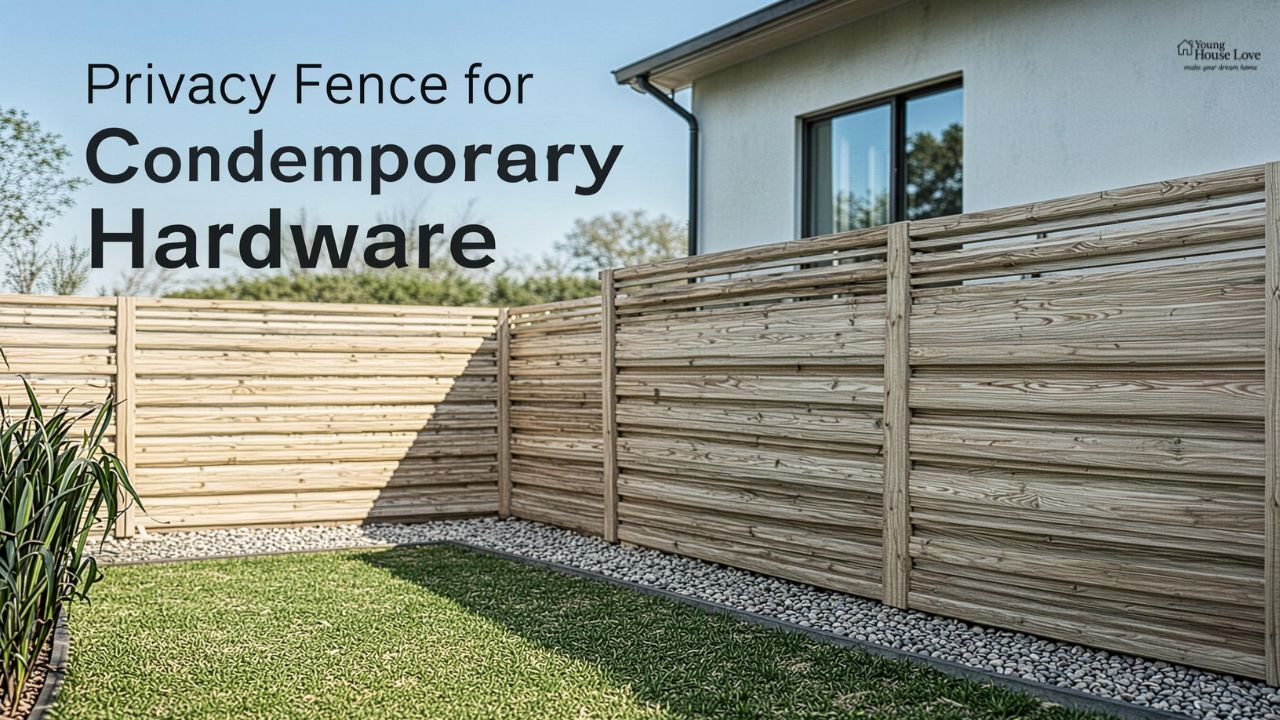
A fence can do more than mark where your property ends. A horizontal slat fence can make a backyard feel calmer, a front yard look sharper, and an ordinary outdoor space feel intentionally designed.
That clean, linear look has become a favorite for modern homes because it feels simple without being boring. It gives privacy, frames landscaping beautifully, and works with materials like cedar, redwood, composite boards, aluminum, steel, and mixed wood-and-metal designs.
The reason this topic matters is practical as well as visual. Fence installation is not cheap, and mistakes can be frustrating. HomeAdvisor’s 2025 fence cost guide lists typical professional fencing costs from about $6 to $50 per linear foot, with many homeowners paying around $23 per linear foot for materials and installation.
So before you choose board spacing, wood species, stain color, post style, or gate hardware, it helps to understand how the design works, what affects cost, and where homeowners usually get tripped up.
Table of Contents
- What Is a horizontal slat fence?
- Why a horizontal slat fence Is So Popular
- Best Materials for Modern Slat Fencing
- Privacy, Spacing, Height, and Layout Planning
- Installation, Posts, Gates, and Structural Details
- Colors, Landscaping, Lighting, and Style Ideas
- Costs, Permits, Resale Value, and Financial Insights
- Personal Background, Design Journey, Achievements, and Financial Insights
- Common Mistakes to Avoid
- FAQs
- Conclusion
What Is a horizontal slat fence?
Definition: A horizontal slat fence is a fence built with boards, planks, battens, or panels running side to side instead of vertically, usually fixed to posts or a frame to create privacy, screening, boundary definition, or a modern architectural backdrop.
The basic idea is simple. Instead of traditional upright pickets, the fence uses long horizontal lines. Those lines can be tightly spaced for privacy, slightly gapped for airflow, or arranged in mixed widths for a more custom look.
A horizontal slat fence can be made from timber, composite, metal, PVC, or hybrid materials. Some designs use exposed black steel posts. Others hide the frame for a seamless wall effect. Some feel warm and natural, while others look crisp, dark, and contemporary.
How It Differs From a Traditional Vertical Fence
A vertical fence draws the eye up and down. It often feels classic, familiar, and practical. A horizontal fence draws the eye sideways, which can make a yard feel wider and more architectural.
| Feature | Horizontal Slat Design | Traditional Vertical Design |
|---|---|---|
| Visual effect | Wider, cleaner, modern | Taller, classic, familiar |
| Common materials | Wood, composite, metal, mixed systems | Wood, vinyl, chain link, metal |
| Privacy control | Easy to adjust through spacing | Usually controlled by board overlap |
| Maintenance | Depends strongly on material and finish | Depends strongly on material and finish |
| Installation sensitivity | Needs very straight framing | More forgiving in some cases |
| Best style fit | Modern, contemporary, mid-century, minimalist | Traditional, farmhouse, cottage, suburban |
| The horizontal style tends to look more custom, but it also demands careful installation. If the posts are uneven or the boards wave, the eye catches it immediately. |
Where This Fence Works Best
This fence style works well around backyards, patios, pools, garden rooms, side yards, modern front entries, outdoor kitchens, and courtyards. It is especially useful when you want privacy without making the space feel like a blank fortress.
It can also soften hard modern architecture. A plain stucco wall or concrete patio instantly feels warmer when framed with natural wood slats and planting.
Why a horizontal slat fence Is So Popular
The popularity comes from three things: clean design, flexible privacy, and strong curb appeal.
A horizontal slat fence has a quiet confidence. It does not rely on ornate details. The repetition of the boards creates rhythm, and that rhythm looks good behind plants, outdoor furniture, fire pits, pools, and modern patios.
Outdoor improvements also matter to buyers and homeowners. The National Association of Realtors’ outdoor features report found that 92% of Realtors have suggested sellers improve curb appeal before listing, and 97% believe curb appeal is important in attracting a buyer.
It Makes Small Yards Feel Wider
Horizontal lines can visually stretch a space. In a narrow backyard, that can be surprisingly helpful. The fence becomes a backdrop that pulls the eye across the yard rather than stopping it abruptly.
This does not magically add square footage, of course. But design is partly about perception. A clean fence, simple planting, and uncluttered furniture can make a tight outdoor area feel more generous.
It Works With Modern Outdoor Living
Modern outdoor spaces often include patios, fire features, lounge seating, outdoor kitchens, raised planters, pergolas, and low-maintenance landscaping. A slatted fence fits that style because it acts like an architectural wall.
It can hide trash bins, screen neighbors, frame a dining area, or create a private spa-like corner near a hot tub. It can also become the visual anchor for lighting, climbing plants, or built-in benches.
It Feels Private Without Feeling Heavy
A solid fence can sometimes feel harsh, especially in a small yard. Slats allow more control. You can create full privacy with tight spacing, filtered privacy with small gaps, or decorative screening with larger gaps.
That flexibility is one reason homeowners choose this style over plain stockade fencing.
Best Materials for Modern Slat Fencing
The material you choose decides how the fence looks, ages, and behaves in your climate. The right choice depends on budget, maintenance tolerance, local weather, privacy needs, and the style of your house.
Wood Slats
Wood is the classic choice because it feels warm and natural. Cedar, redwood, pine, cypress, ipe, and pressure-treated lumber are common options depending on region and budget.
Cedar and redwood are popular because they have attractive grain and natural resistance qualities. Pressure-treated lumber is often more affordable and can be useful for structural posts or budget-conscious projects. The Canadian Wood Council notes that many construction lumbers are not naturally durable but can be made decay-resistant through preservative treatment.
Wood has personality. It changes color, absorbs stain differently, and develops character over time. However, it also needs care. Sun, moisture, soil contact, insects, and poor ventilation can all shorten its life.
Composite Slats
Composite fencing usually blends wood fibers or recycled content with plastic resins. It is designed to resist rot, insects, and frequent staining.
HomeAdvisor’s 2025 composite fencing guide lists installed composite fencing costs commonly between $11 and $45 per linear foot, with project costs affected by height, gates, frame type, and features. It also notes that composite fences can require less maintenance and may last over 30 years depending on product and installation.
Composite is a strong option if you want a consistent look and lower upkeep. However, it may cost more upfront, and not every composite product looks convincingly like wood.
Aluminum and Metal Slats
Aluminum slat fencing is sleek, durable, and often low-maintenance. It works especially well for contemporary homes, pool areas, and front yards where you want a refined look.
Metal can be powder-coated in black, bronze, gray, white, or custom colors. It will not warp like wood, and it can provide a crisp architectural finish. However, it may feel less warm unless paired with plants, stone, timber accents, or soft lighting.
Mixed Wood and Metal
One of the most attractive modern options is wood slats with metal posts. Black steel posts, aluminum channels, or powder-coated frames give the fence strength and contrast, while the wood keeps it from feeling cold.
This combination is especially good when you want the fence to coordinate with black window frames, modern railings, steel pergolas, or dark exterior fixtures.
Material Comparison Table
| Material | Look | Maintenance | Cost Behavior | Best For |
|---|---|---|---|---|
| Cedar | Warm, natural, modern | Regular stain or seal | Medium to high | Premium wood look |
| Redwood | Rich, elegant, durable | Regular care | High | High-end natural fencing |
| Pressure-treated pine | Practical, affordable | Needs drying and finishing | Lower to medium | Budget wood fences |
| Composite | Clean, consistent | Low | Medium to high | Low-maintenance privacy |
| Aluminum | Sleek, modern | Low | Medium to high | Contemporary homes |
| Steel | Strong, crisp, industrial | Coating upkeep if exposed | Medium to high | Strong frames and posts |
| PVC/Vinyl | Clean, uniform | Low | Medium | Simple low-maintenance projects |
Privacy, Spacing, Height, and Layout Planning
Privacy depends on more than fence height. Board spacing, viewing angle, slope, neighboring windows, landscaping, and lighting all matter.
A fence with small gaps may look private straight on but reveal more from an angle. A taller fence may block views but feel overpowering. A shorter fence with layered shrubs may feel more natural and neighbor-friendly.
Slat Spacing
Common spacing choices include:
- No visible gap for maximum privacy.
- 1/4-inch to 1/2-inch gaps for drainage, airflow, and slight shadow lines.
- 1-inch gaps for partial screening.
- Wider gaps for decorative garden fencing.
- Alternating slats on both sides for a shadowbox effect.
Tighter gaps give more privacy but can increase wind load. Larger gaps allow airflow but reduce screening. In windy areas, this becomes a structural issue, not just a style choice.
Fence Height
Many backyard privacy fences are around 6 feet tall, but rules vary by city, county, HOA, and property location. Some cities require permits for all residential fences, while others require permits only above certain heights. For example, Georgetown, Texas says a fence permit is required to erect a new fence within city limits, while Millcreek, Utah’s fence code notes a building permit for fences exceeding 7 feet.
That variation is why you should check local rules before ordering materials. Front yard fences often have stricter height limits than backyard fences, and corner lots may have visibility restrictions near streets and driveways.
Layout and Property Lines
Before building, confirm property lines. Guessing can lead to neighbor disputes, forced removal, or expensive rebuilding. If there is any uncertainty, a survey is usually cheaper than moving a finished fence.
Also think about gates, trash access, lawn equipment, pool equipment, utility meters, drainage paths, and emergency access. A fence should improve the yard, not create daily obstacles.
Neighbor-Facing Appearance
Many places have “good neighbor” expectations or rules requiring the finished side of the fence to face outward. Even where not required, it is courteous to consider how the fence looks from the other side.
A double-sided slat fence or framed panel system can look good from both properties. It may cost more, but it can reduce tension and improve appearance.
Installation, Posts, Gates, and Structural Details
A horizontal fence is only as good as its frame. The boards may get the attention, but posts and rails do the heavy lifting.
Horizontal boards can sag, cup, or bow if spans are too long or materials are poorly chosen. This is why post spacing matters. Many wood designs use posts around 6 feet apart rather than stretching too far, but the correct spacing depends on board thickness, material, wind exposure, fence height, and local conditions.
Post Choices
Common post options include:
- Pressure-treated wood posts.
- Cedar posts.
- Steel posts.
- Aluminum posts.
- Concrete or masonry columns.
- Hidden-post panel systems.
Wood posts can work well when installed correctly, but they are vulnerable where they meet soil and moisture. Metal posts often last longer and keep lines straighter, especially for modern designs.
Framing Methods
There are several ways to build the frame:
| Framing Style | Description | Best Use |
|---|---|---|
| Exposed posts | Posts visible between fence panels | Modern contrast and easier repair |
| Hidden posts | Slats cover or conceal the frame | Seamless wall-like appearance |
| Picture-frame panels | Slats framed on all sides | Finished look and added stability |
| Metal channel system | Boards slide into metal channels | Clean lines and controlled spacing |
| Double-sided frame | Finished appearance on both sides | Neighbor-friendly fences |
| Picture-frame designs look polished because the edges are clean. They also help control board ends and make the fence feel more intentional. |
Gates
Gates are where many fences fail first. They move, swing, carry weight, and get used constantly.
A good gate needs:
- Strong posts.
- Quality hinges.
- A diagonal brace or proper frame.
- Latch alignment.
- Clearance above grade.
- Weather-resistant hardware.
- Enough width for real use.
- A stop or catch where needed.
Do not treat the gate as an afterthought. A beautiful fence with a sagging gate feels disappointing every time you use it.
Drainage and Soil Contact
Wood slats should not sit directly on soil. Moisture and dirt speed decay. Leave clearance above grade and avoid trapping irrigation spray against boards.
If the yard slopes, decide whether the fence will step down in sections or follow the grade. Stepped fences look clean and architectural. Fences that follow a slope can feel more natural but may make horizontal lines harder to keep visually consistent.
Colors, Landscaping, Lighting, and Style Ideas
A fence becomes part of the landscape, so style choices should connect to the house, garden, and outdoor furniture.
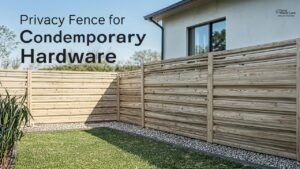
[Image 2: A side yard with a dark stained slat fence, stepping stones, wall lights, ornamental grasses, and a narrow bench.]
Natural Wood Finish
A clear or semi-transparent stain shows grain and gives the fence warmth. This works beautifully with modern homes, white stucco, black windows, concrete patios, and green planting.
The challenge is maintenance. UV exposure can fade wood quickly. If you want the warm tone to remain, expect periodic cleaning and restaining.
Dark Stain or Black Finish
A black or dark charcoal fence can look dramatic and sophisticated. It also makes plants pop. Green leaves, pale grasses, and warm outdoor lights stand out beautifully against a dark backdrop.
However, dark colors can absorb heat and show dust or water marks depending on climate. In very hot areas, think carefully before using dark finishes on materials prone to movement.
Mixed Width Slats
Using different board widths can create a custom look. For example, you might combine wider boards near eye level with narrower slats above. This adds rhythm without making the fence busy.
Keep the pattern simple. Too many board sizes can look accidental.
Lighting Ideas
Fence lighting can make a yard feel magical at night.
Try:
- Low-voltage uplights washing the fence.
- Small downlights on posts.
- LED strip lighting under a cap rail.
- Step lights along a side path.
- Warm sconces on masonry columns.
- Solar lights only where performance is reliable.
Use warm light, not harsh blue-white glare. The goal is atmosphere and safe movement.
Landscaping Against the Fence
Plants soften the lines and make the fence feel settled.
Good choices include:
- Ornamental grasses.
- Clipped shrubs.
- Bamboo in contained planters.
- Olive trees or small ornamental trees.
- Lavender, rosemary, or drought-tolerant planting.
- Ferns in shaded side yards.
- Climbing vines on a separate trellis, not directly on delicate boards.
[Infographic: “Horizontal Fence Planning Flow” showing Measure Yard → Check Rules → Choose Material → Set Privacy Level → Plan Posts → Add Gates → Finish and Maintain.]
Leave airflow behind plants. Dense planting pressed against wood can trap moisture.
Costs, Permits, Resale Value, and Financial Insights
Fence cost depends on length, height, material, post type, terrain, demolition, gates, finish, labor rates, permits, and access. A short privacy screen near a patio is very different from fencing an entire backyard.
HomeAdvisor’s 2025 privacy fence guide lists average privacy fence installation around $4,300, with many projects between $1,800 and $8,000, or about $10 to $50 per linear foot depending on height, width, ground preparation, and materials.
Cost Factors
| Cost Factor | Why It Matters |
|---|---|
| Fence length | More linear feet means more boards, posts, and labor |
| Height | Taller fences need more material and stronger support |
| Material | Wood, composite, aluminum, and steel vary widely |
| Gates | Hardware, frames, and labor add cost |
| Terrain | Slopes and rocky soil slow installation |
| Removal | Old fence demolition and disposal add labor |
| Finish | Stain, paint, sealing, or powder coating affects price |
| Permits | Local fees and drawings may be required |
| Custom details | Lighting, masonry columns, cap rails, or mixed materials increase cost |
| A horizontal slat fence can cost more than a basic vertical wood fence because it often requires straighter boards, more precise spacing, stronger framing, and cleaner finishing. |
Permits and HOA Rules
Always check before building. Local fence rules can cover height, location, materials, visibility triangles, pool barriers, finished side requirements, and historic-district approvals. Some cities require permits for all fences, while others only require permits for certain heights or conditions.
HOAs may also regulate color, material, height, and whether horizontal boards are allowed. A quick approval step can prevent expensive conflict later.
Resale and Curb Appeal
A fence is not guaranteed to return every dollar at resale, but it can improve privacy, security, pet control, and outdoor usability. Those benefits can matter to buyers, especially families, dog owners, and people near busy roads.
NAR’s outdoor features report shows how strongly real estate professionals value curb appeal, with 97% saying it is important in attracting a buyer.
The smartest financial approach is to build a fence that suits the home and neighborhood. A beautiful modern fence can help a property feel polished. An overbuilt or poorly maintained one can have the opposite effect.
Personal Background, Design Journey, Achievements, and Financial Insights
Because this topic is a fence style rather than a public person, personal background and net worth do not apply in the usual biographical sense. There is no individual founder, celebrity profile, or verified wealth figure attached to this design.
What does apply is the design journey. Fences began as practical boundaries for animals, gardens, farms, and property lines. Over time, they became privacy screens, security features, architectural elements, and outdoor design statements.
The achievement of the horizontal slat fence is that it turns a simple boundary into part of the landscape architecture. Instead of merely enclosing a yard, it frames patios, softens walls, supports outdoor living, and adds a modern rhythm to the property.
Career Journey of the Design Concept
This fence style has evolved through several stages:
- Basic wood boundary fencing.
- Privacy fencing for suburban yards.
- Mid-century and modernist horizontal screening.
- Contemporary backyard design with wood and steel.
- Composite and aluminum systems for lower maintenance.
- Integrated outdoor living walls with lighting and planting.
The design remains popular because it adapts. It can be warm and natural, sleek and black, coastal and pale, rustic-modern, or minimalist.
Financial Insights
From a financial standpoint, the best fence is not always the cheapest or the most expensive. The best value comes from matching material, installation quality, and maintenance needs to your climate and property.
Spend money first on posts, structure, drainage clearance, gates, and durable materials. Decorative details can be added later, but a weak frame or poorly set posts will haunt the project from the start.
Common Mistakes to Avoid
The first mistake is using boards that are too thin or spans that are too long. Horizontal lines reveal sagging quickly.
The second mistake is ignoring local rules. A fence that violates height or placement requirements may have to be modified or removed.
The third mistake is placing wood too close to soil. Moisture at the bottom of the fence can cause premature decay.
The fourth mistake is forgetting wind load. A tightly built privacy fence acts like a wall in strong wind. Posts and footings need to be designed accordingly.
The fifth mistake is choosing a color without testing it outside. Stain and paint look different in full sun, shade, rain, and evening light.
The sixth mistake is underbuilding the gate. Gates need stronger framing than regular fence panels because they move every day.
The seventh mistake is copying a photo without considering the house. A horizontal slat fence should match the architecture, not fight it.
Real-Life Example
Imagine a homeowner with a small patio overlooked by two neighboring windows. She wants privacy but hates the idea of a bulky solid wall.
Instead of building a tall blank fence, she chooses cedar slats with narrow gaps, black metal posts, and a row of ornamental grasses in front. The fence blocks the worst sightlines, the plants soften the structure, and the patio feels cozy instead of boxed in.
That is the strength of this design. It solves a problem while making the space more beautiful.
FAQs
Is a horizontal slat fence good for privacy?
Yes, it can be excellent for privacy if the slats are tightly spaced or overlapped. Wider gaps create a more open screen, so spacing should match the level of privacy you want.
What is the best wood for horizontal fencing?
Cedar and redwood are popular premium choices because they look warm and resist outdoor conditions better than many untreated woods. Pressure-treated lumber can be more affordable, especially for posts or budget projects.
Does a horizontal fence cost more than a vertical fence?
Often, yes. Horizontal designs may need straighter boards, closer post spacing, stronger framing, and more precise installation. Material choice and local labor rates also affect the final cost.
How far apart should slats be?
Spacing depends on privacy, airflow, and style. Tight gaps around 1/4 to 1/2 inch create a more private look, while wider gaps feel lighter and more decorative.
Do I need a permit for a fence?
Maybe. Permit rules vary by city, county, HOA, fence height, location, and property type. Some cities require permits for all residential fences, while others require them only above certain heights or in special zones. Always check before building.
How long does this type of fence last?
Lifespan depends on material, climate, installation, drainage, and maintenance. Well-maintained cedar or redwood can last many years, composite may last longer with less maintenance, and metal systems can be very durable when properly coated.
Can I build it myself?
A skilled DIY homeowner can build a small section or screen, but full-yard fencing requires accurate post setting, level lines, structural planning, gate framing, and code awareness. Hiring a professional is often worth it for long runs and gates.
Is composite better than wood?
Composite is lower-maintenance and more consistent, while wood feels warmer and more natural. The better choice depends on budget, climate, style preference, and how much upkeep you are willing to do.
What color looks best?
Natural cedar, warm brown, charcoal, black, soft gray, and weathered wood tones all work well. Choose a color that coordinates with your siding, trim, patio materials, furniture, and planting.
Conclusion
A horizontal slat fence can transform an outdoor space from ordinary to intentional. It gives privacy, adds modern structure, frames landscaping, and makes patios, pools, side yards, and garden rooms feel more finished.
The best results come from planning, not rushing. Check property lines and local rules. Choose materials that suit your climate. Think carefully about spacing, height, posts, gates, and maintenance. Then use color, lighting, and plants to make the fence feel connected to the home.
When it is designed well, this fence style does not just close off a yard. It creates a backdrop for outdoor life: quiet mornings, evening lights, family meals, pets playing safely, and a little more peace from the outside world.