Introduction
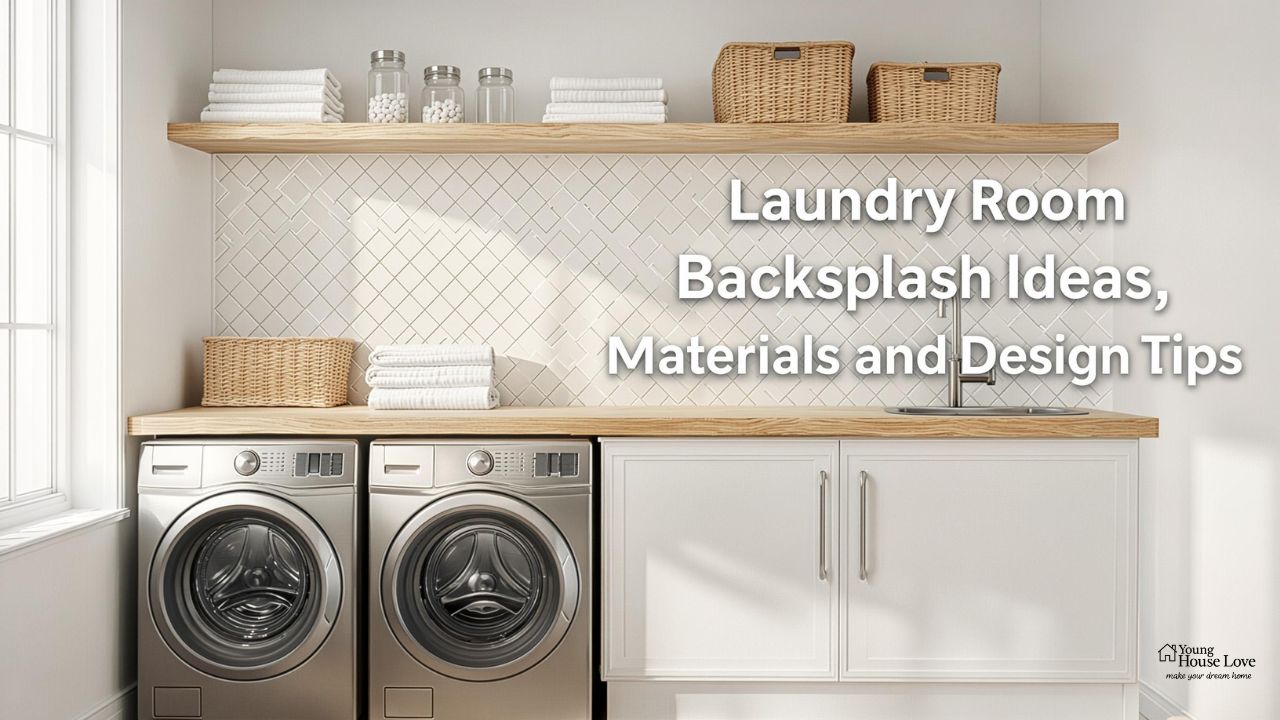
A laundry room is easy to ignore until it starts feeling cluttered, dull, or unfinished. The right laundry room backsplash can make that hardworking space easier to clean, better protected, and far more pleasant to use.
This small design choice matters because laundry rooms deal with splashes, detergent drips, lint, humidity, cleaning products, and daily mess. A good backsplash protects the wall behind the sink, counter, washer, folding area, or utility zone while adding color, pattern, and personality.
And honestly, laundry already feels like enough work. If a simple wall detail can make the room feel cleaner, calmer, and more finished, it is worth planning properly.
Table of Contents
- What Is a Laundry Room Backsplash?
- Why a Laundry Room Backsplash Is Worth Adding
- Best Laundry Room Backsplash Ideas
- Best Materials for Laundry Room Walls
- Small Laundry Backsplash Designs
- Color, Pattern, Grout, and Layout Tips
- Budget, Installation, and Maintenance Planning
- Mistakes to Avoid Before You Install
- Personal Style and Financial Insight
- FAQ
- Conclusion
What Is a Laundry Backsplash?
A laundry room backsplash is a protective wall surface installed behind a sink, counter, washer, dryer, or folding station. It can be made from tile, stone, paneling, glass, metal, peel-and-stick products, or a washable wall finish.
In kitchens, backsplashes protect walls from cooking mess. In laundry rooms, they protect against water splashes, detergent spills, fabric softener drips, cleaning sprays, and marks from baskets or bottles.
A backsplash can be short, tall, simple, bold, budget-friendly, or custom. Some homeowners install a small strip behind a sink. Others take tile all the way to the ceiling for a designer look.
Why This Backsplash Upgrade Is Worth Adding
A laundry space may be small, but it works hard. A backsplash adds value because it combines protection and style in one feature.
The Tile Shop describes tile as an easy-to-clean and stylish option for laundry room walls and floors, noting that it can protect the space from mess while adding cheer to the room. That is exactly why tile remains one of the most popular laundry backsplash choices.
This upgrade can help with:
- Wall protection behind sinks and counters
- Easier cleanup after detergent spills
- Better visual style in a plain utility room
- A more finished look around cabinets
- Added color or texture
- Stronger resale presentation
- A cleaner background for open shelving
This wall feature also helps the room feel intentional. Instead of looking like a leftover corner with machines, it starts to feel like a planned part of the home.
Best Laundry Room Backsplash Ideas
1. Classic Subway Tile
Subway tile is popular because it is simple, clean, and flexible. It works in modern, farmhouse, traditional, coastal, and transitional laundry rooms.
White subway tile keeps the room bright. Cream tile feels warmer. Colored subway tile adds personality without feeling too risky.
Good layouts include:
- Running bond
- Stacked vertical
- Stacked horizontal
- Herringbone
- Basketweave
- Offset vertical
If you want a timeless backsplash that will not feel dated too quickly, subway tile is one of the safest choices.
2. Zellige-Style Tile
Zellige-style tile has uneven edges, glossy variation, and handmade character. It catches light beautifully, especially in a small laundry room with simple cabinets.
Current backsplash trend coverage has highlighted handcrafted, zellige, and artisanal-looking tiles as part of the move toward more personal, textural interiors.
This look works well with warm white cabinets, natural wood shelves, brass hardware, stone counters, and soft neutral paint.
3. Patterned Tile
Patterned tile can turn a small laundry room into a charming feature space. It works especially well when the rest of the room is simple.
Try patterned tile behind:
- A utility sink
- A folding counter
- Open shelves
- A stacked washer and dryer
- A mudroom bench
- A cabinet wall
Keep the rest of the palette quiet if the pattern is strong. This avoids visual overload.
4. Slab Backsplash
A slab backsplash uses one large surface instead of many small tiles. It may be quartz, porcelain slab, marble-look material, or the same material as the countertop.
This creates a clean, high-end look with fewer grout lines. It is especially useful if you want easy cleaning and a modern finish.
5. Beadboard or Shiplap Backsplash
Beadboard and shiplap add a cozy cottage feel. They are not as splash-proof as tile unless finished properly, but they can work well in lower-moisture zones.
Use moisture-resistant panels and washable paint. Avoid untreated wood directly behind a sink where water splashes often.
6. Peel-and-Stick Backsplash
A peel-and-stick backsplash is useful for renters, small budgets, or quick weekend updates. It can mimic tile, stone, metal, or pattern.
However, it is not always as durable as real tile. Heat, moisture, uneven walls, and poor adhesive can cause lifting. Use it where splashes are light and expectations are realistic.
7. Vertical Tile
Vertical tile makes the room feel taller. This is helpful in small laundry rooms, closets, and narrow utility spaces.
A vertical stack pattern also looks modern without being too loud.
8. Dark and Moody Tile
A dark backsplash can make a laundry room feel dramatic and polished. Navy, charcoal, deep green, black, and espresso tile all work well when balanced with good lighting.
Use dark tile carefully in windowless spaces. Add warm under-cabinet lighting or lighter counters so the room does not feel heavy.
9. Marble-Look Tile
Marble-look tile adds softness and elegance without the higher maintenance of real marble. It works beautifully with white cabinets, light gray cabinets, walnut accents, or brass hardware.
10. Full-Height Laundry Room Backsplash
A full-height backsplash runs from counter to ceiling or from machine height to ceiling. This can make a small wall feel custom and complete.
It works especially well behind floating shelves, wall cabinets, or a folding station.
Best Materials for Laundry Room Walls
The best backsplash material depends on moisture level, budget, style, cleaning habits, and whether the room has a sink.
Ceramic Tile
Ceramic tile is one of the most practical choices. It is widely available, affordable, easy to clean, and comes in endless colors and shapes.
A ceramic tile resource from Why Tile notes that ceramic tile is scratch-, dent-, and cut-resistant, and that wiping with water is often enough for everyday cleaning.
Porcelain Tile
Porcelain tile is dense, durable, and moisture-friendly. It is often used where strength and water resistance matter.
It works well behind utility sinks, washer areas, mudroom-laundry combinations, and high-use family spaces.
Glass Tile
Glass tile reflects light and can brighten a small laundry room. It gives a crisp, clean look.
The downside is that glass can show smudges, adhesive shadows, and installation imperfections more easily than matte tile.
Natural Stone
Natural stone adds character, but it usually needs sealing and more careful cleaning. Marble, limestone, travertine, and slate can look beautiful, but laundry products may stain or etch some stone surfaces.
If you love stone, ask about sealing and maintenance before installing it.
Quartz or Porcelain Slab
Slab backsplashes give a seamless look. They are great when you want low grout maintenance and a high-end finish.
This is a strong choice for larger laundry rooms with custom cabinetry and counters.
Metal Panels
Metal can work in industrial, modern, or utility-style laundry rooms. Stainless steel is practical behind a deep sink, but it can show fingerprints.
Painted Backsplash
Washable paint is the most budget-friendly option. It will not protect like tile, but it can work in low-splash areas.
Choose high-quality washable paint with a finish that can handle wiping.
| Material | Best For | Pros | Watch Out For |
|---|---|---|---|
| Ceramic tile | Most laundry rooms | Affordable, stylish, easy to clean | Grout needs care |
| Porcelain tile | Wet or high-use spaces | Durable and moisture-friendly | Can cost more |
| Glass tile | Small bright rooms | Reflects light, clean look | Shows smudges |
| Natural stone | Luxury or rustic rooms | Unique texture | Needs sealing |
| Slab material | Modern custom rooms | Fewer grout lines | Higher cost |
| Peel-and-stick | Budget updates | Fast and renter-friendly | Less durable |
| Beadboard | Cottage style | Warm and charming | Needs moisture-safe finish |
Small Laundry Backsplash Designs
A small laundry room can handle more personality than you might think. Because the space is limited, a backsplash becomes a controlled design moment.
Use One Bold Wall
If the room is tiny, tile one wall instead of every wall. This creates focus without making the room busy.
Match the Countertop
Running the counter material up the wall creates a clean look. This is helpful when you want fewer materials and less visual clutter.
Add Vertical Lines
Vertical tile, narrow beadboard, or vertical shiplap can make the ceiling feel taller.
Use Light Colors
White, cream, pale green, soft blue, light gray, and warm beige can help a small laundry room feel open.
Add Under-Shelf Lighting
Lighting makes small spaces feel thoughtful. A tile backsplash looks much better when soft light washes across it.
Keep Grout Lines Simple
Too many grout lines can make a small space feel busy. Larger tile, vertical stacked tile, or slab material can calm the look.
Color, Pattern, Grout, and Layout Tips
Color and pattern decide whether the backsplash quietly supports the room or becomes the main feature.
White and Warm Neutral Backsplashes
White, cream, ivory, oatmeal, greige, and soft taupe work well in most laundry rooms. These colors make the space feel clean without becoming too cold.
Blue and Green Backsplashes
Blue and green are popular because they feel fresh, calm, and connected to water. Soft sage, misty blue, teal, navy, and eucalyptus tones can all work.
Black and Charcoal Backsplashes
Dark backsplashes feel modern and bold. Pair them with wood, brass, white cabinets, or warm lighting.
Patterned and Graphic Backsplashes
Pattern is great when you want the laundry room to feel fun. Since laundry is a chore, a cheerful pattern can make the room less boring.
Grout Color
Grout changes the whole look. Matching grout makes tile feel softer. Contrasting grout makes the pattern stand out.
| Tile Look | Best Grout Choice | Result |
|---|---|---|
| White subway tile | White or light gray | Clean and classic |
| Handmade tile | Similar tone | Soft and organic |
| Dark tile | Dark grout | Seamless and dramatic |
| Patterned tile | Neutral grout | Keeps focus on pattern |
| Small mosaic | Matching grout | Less visual noise |
Tile Layout
Layout matters as much as tile choice. A cheap tile can look expensive in a thoughtful layout, while a costly tile can look flat if installed carelessly.
Popular layouts include:
- Stacked vertical
- Stacked horizontal
- Herringbone
- Running bond
- Chevron
- Diamond
- Straight grid
- Offset brick
Where to Install a Laundry Room Backsplash
You do not always need to cover every wall. Place the backsplash where it solves a problem or adds the most visual value.
Behind the Sink
This is the most practical location because water splashes happen here.
Behind the Folding Counter
A backsplash protects the wall from detergent bottles, baskets, and cleaning sprays.
Behind the Washer and Dryer
This creates a finished background and protects from scuffs. It is especially useful when the machines sit below a counter or open shelves.
Around Open Shelving
Tile behind shelves makes the wall feel designed. It also protects the surface from marks caused by baskets and bottles.
Mudroom-Laundry Combination
In a combined mudroom and laundry area, tile or washable paneling can protect walls from shoes, bags, pet supplies, and wet clothing.
Budget, Installation, and Maintenance Planning
Backsplash cost depends on material, square footage, labor, wall prep, pattern complexity, outlet cuts, trim pieces, and grout choice.
Budget-Friendly Options
Good low-cost choices include:
- Paint
- Peel-and-stick tile
- Basic ceramic subway tile
- Beadboard panels
- Small accent tile behind the sink
- Remnant countertop material
Mid-Range Options
Mid-range choices include porcelain tile, patterned tile, glass tile, better ceramic tile, and professionally installed backsplash walls.
Higher-End Options
Premium choices include custom tile, handmade tile, natural stone, quartz slabs, porcelain slabs, and full-height installations.
| Budget Level | Best Choice |
|---|---|
| Low | Paint, peel-and-stick, basic ceramic |
| Medium | Porcelain, subway tile, patterned ceramic |
| Higher | Handmade tile, slab, natural stone |
| Luxury | Full-height custom tile or stone wall |
DIY or Professional Installation?
DIY can work for simple ceramic tile, peel-and-stick products, or painted backsplashes. Professional installation is better for herringbone layouts, handmade tile, stone, slab material, glass tile, or walls with many outlets.
Maintenance Tips
To keep a laundry room backsplash looking good:
- Wipe detergent spills quickly
- Use gentle cleaners
- Avoid harsh scrubbing on delicate tile
- Seal grout if required
- Keep caulk lines fresh
- Clean lint and dust from tile ledges
- Check behind sinks for moisture marks
Mistakes to Avoid Before You Install
The biggest mistake is choosing style without thinking about cleaning. Laundry rooms are utility spaces, so the backsplash should handle real mess.
Avoid these problems:
- Using delicate stone behind a messy sink
- Choosing white grout where spills are heavy
- Ignoring outlet locations
- Forgetting cabinet and shelf height
- Installing peel-and-stick tile on damp or uneven walls
- Choosing a busy pattern in a tiny room with busy flooring
- Using untreated wood behind a sink
- Skipping proper caulk where counter meets wall
- Choosing tile before finalizing counters and cabinets
- Forgetting lighting
A backsplash should make life easier, not create another cleaning problem.
Personal Style and Financial Insight
There is no celebrity-style personal background or net worth angle that applies here. The useful financial insight is about smart spending.
A laundry room is often smaller than a kitchen, which means you can use a nicer material without covering a huge area. That is why this space is perfect for a small design upgrade.
If your budget is limited, spend first on the wall areas that get wet or dirty. Behind the sink and folding counter matter more than a wall nobody touches.
From a resale point of view, a clean and finished laundry room can make a home feel better maintained. It may not carry the same emotional weight as a kitchen remodel, but buyers do notice storage, cleanliness, and thoughtful finishes.
A practical plan is simple: choose durable surfaces, keep the design connected to the rest of the home, and avoid anything so trendy that you will dislike it in two years.
FAQ
What is the best material for a laundry room backsplash?
Ceramic and porcelain tile are usually the most practical choices because they are durable, easy to clean, and available in many styles. Slab materials are also strong if you want fewer grout lines.
Do I need a backsplash in the laundry room?
You do not always need one, but it is helpful behind sinks, counters, washers, dryers, and open shelves where walls get splashed, scuffed, or stained.
Can I use peel-and-stick tile in a laundry room?
Yes, peel-and-stick tile can work for low-splash areas and budget updates. It may not last as long as real tile in damp or high-use spaces.
How high should a laundry backsplash be?
A simple backsplash may be 4 to 18 inches high. A more finished design may run from counter to cabinets or all the way to the ceiling.
Is subway tile good for laundry rooms?
Yes. Subway tile is affordable, timeless, easy to style, and works with many cabinet colors and design styles.
What backsplash color is best for a small laundry room?
White, cream, pale green, soft blue, light gray, and warm beige can make a small laundry room feel brighter and more open.
Should the backsplash match the floor?
It does not need to match exactly. It should coordinate with the floor, cabinets, counters, and wall color so the room feels connected.
Can I use wallpaper instead of tile?
Moisture-resistant wallpaper can work in low-splash areas. Tile is better behind sinks and counters where water or detergent spills are common.
What grout is best for laundry backsplash tile?
The best grout depends on tile type and use. For easy maintenance, choose a grout color that hides minor stains and follow sealing recommendations when needed.
Is a full-height backsplash worth it?
Yes, if you want a custom look or need more wall protection. It works especially well behind open shelves, folding counters, and utility sinks.
Conclusion
A laundry room backsplash may seem like a small detail, but it can change the whole feeling of the space. It protects the wall, makes cleanup easier, and gives the room a more finished, thoughtful look.
Start with the practical areas first: sink, counter, washer wall, and shelving zones. Then choose a material, color, and pattern that fits your style and maintenance habits. When planned well, the laundry room becomes less of a chore zone and more of a clean, useful, quietly beautiful part of the home.