
Introduction
Your front yard is the first thing people see, and the walkway or driveway often sets the whole mood before anyone reaches the door. The right pavers front yard design can make a home feel cleaner, warmer, more expensive, and easier to approach.
Unlike plain poured concrete, pavers give you patterns, colors, borders, curves, texture, and repair flexibility. They can shape a front walkway, widen a driveway, frame a porch, create a small sitting area, or help manage rainwater when permeable systems are used.
This choice matters because front-yard paving is not only decorative. It affects drainage, safety, curb appeal, maintenance, accessibility, and long-term value. A beautiful layout can feel polished, but a poorly installed one can sink, shift, collect water, or look messy within a few seasons.
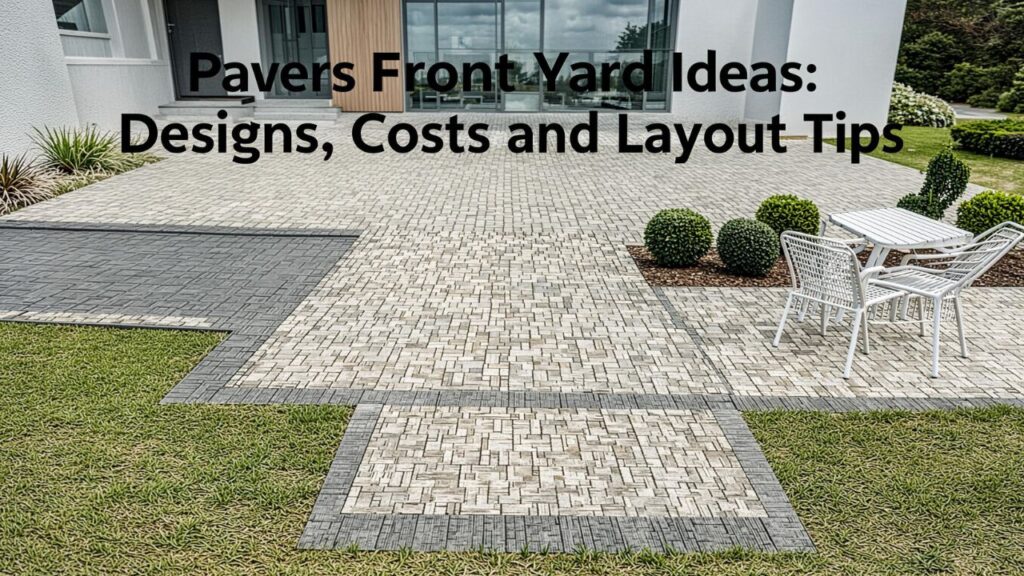
Table of Contents
- What Are Front Yard Pavers?
- Why Pavers Work So Well in Front Yards
- Best Pavers Front Yard Ideas
- Popular Materials for Front Yard Pavers
- Front Walkway Paver Ideas
- Driveway Paver Ideas
- Pavers Front Yard Layout Tips
- Drainage, Permeable Pavers, and Safety
- Cost and Budget Planning
- Maintenance and Long-Term Care
- Common Mistakes to Avoid
- Industry Background and Financial Insights
- FAQs
- Conclusion
What Are Front Yard Pavers?
Front yard pavers are individual paving units used to create walkways, driveways, patios, paths, borders, garden edges, porch landings, and decorative hardscape areas near the front of a home.
They may be made from concrete, clay brick, natural stone, porcelain, cobblestone, or permeable paving systems. Unlike poured concrete, pavers are installed piece by piece over a prepared base. That base usually includes excavation, compacted aggregate, bedding sand or setting material, edge restraints, and joint sand or joint filler.
The beauty of pavers is flexibility. If one area settles, a contractor can often lift the affected units, adjust the base, and reinstall them instead of replacing the entire surface. That makes them practical for front yards where tree roots, soil movement, vehicles, and water can create long-term wear.
Why Pavers Work So Well in Front Yards
A front yard has to do several jobs at once. It should look good from the street, guide visitors to the entry, support daily traffic, handle weather, and connect the house to the landscape.
That is why many homeowners look for pavers front yard ideas when they want more than a basic concrete path. Pavers can soften a formal house, add charm to a cottage, sharpen a modern exterior, or make a simple ranch home feel more finished.
Pavers also help create visual order. A clean walkway tells guests where to go. A bordered driveway looks more intentional. A paver apron near the garage can make the entrance feel upgraded. Even a small paver landing near the porch can make the home feel more welcoming.
Best Pavers Front Yard Ideas
The best pavers front yard ideas depend on your home’s style, yard size, slope, budget, and how people move through the space.
| Idea | Best For | Why It Works |
|---|---|---|
| Curved paver walkway | Traditional and cottage homes | Feels soft, inviting, and garden-like |
| Straight modern path | Contemporary homes | Creates a clean and architectural look |
| Paver driveway border | Existing concrete driveways | Adds style without full replacement |
| Permeable paver area | Rainy climates and runoff control | Helps water soak into the ground |
| Paver porch landing | Small front entries | Makes the doorway feel more finished |
| Mixed pavers and gravel | Informal landscapes | Adds texture and saves cost |
| Circular paver feature | Larger front yards | Creates a focal point |
| Paver garden path | Layered landscaping | Connects beds, gates, and side yards |
| Brick paver walkway | Classic homes | Adds warmth and timeless character |
| Large-format pavers | Modern front yards | Looks clean, simple, and elegant |
Curved Walkway With Soft Planting
A curved walkway works beautifully when the front door is not directly in line with the sidewalk or driveway. The curve gives the entry a relaxed feeling and creates planting pockets along the path.
Use low plants near the walkway edge so guests do not feel crowded. Lavender, boxwood, liriope, ornamental grasses, creeping thyme, and seasonal flowers can all soften the hardscape.
Straight Paver Path for Modern Homes
A straight path feels clean and confident. It works well with modern, mid-century, minimalist, and contemporary homes.
Use rectangular concrete pavers, large-format slabs, gravel joints, or grass joints. Keep the planting simple. Too many colors or shapes can weaken the modern look.
Paver Driveway Border
A full paver driveway can be expensive. A border is a smart middle ground. You can keep the main driveway surface and add pavers along the edges or apron.
This gives the driveway a framed, custom look without changing every square foot.
Entry Landing With Pavers
A small front porch or narrow stoop can feel plain. A paver landing creates a wider pause point before the door.
It is useful for guests, deliveries, planters, and seasonal decor. It also makes the entry feel more generous.
Popular Materials for Front Yard Pavers
Choosing the right material affects style, cost, durability, and maintenance.
| Material | Best Feature | Watch Out For |
|---|---|---|
| Concrete pavers | Affordable, versatile, many colors | Can fade or stain without care |
| Clay brick pavers | Warm, classic, timeless | Usually costs more than basic concrete |
| Natural stone pavers | Premium and organic | Higher material and labor cost |
| Porcelain pavers | Sleek and modern | Needs proper outdoor-rated installation |
| Cobblestone | Historic and durable | Rougher walking surface |
| Permeable pavers | Helps manage runoff | Needs correct base and maintenance |
| Grass-joint pavers | Soft, green look | Needs trimming and care |
| Concrete pavers are popular because they come in many shapes and colors. Brick feels older and more traditional. Natural stone looks rich and organic. Permeable pavers are useful when water management matters. | ||
| The EPA notes that permeable pavement options, including interlocking pavers and grid pavers, allow rain and snowmelt to seep through the surface into soil and gravel layers below. They can reduce runoff and help filter pollutants that contribute to water pollution. |
Front Walkway Paver Ideas
The front walkway is one of the most important parts of the yard because it controls the first impression.
Wide Main Walkway
A narrow path can feel awkward when two people walk side by side. If space allows, make the main walkway wide enough for comfortable movement.
A 4-foot-wide path often feels better than a tight 2-foot path. Wider paths also help with groceries, strollers, luggage, and guests.
Stepping Pavers Through Gravel
Large stepping pavers set in gravel can look relaxed and modern. This design works well for drought-friendly landscapes, desert gardens, and informal front yards.
Choose gravel that is comfortable underfoot and does not scatter too easily.
Brick Paver Path
Brick pavers bring warmth and tradition. They suit colonial, cottage, craftsman, Tudor, and farmhouse-style homes.
Patterns like herringbone, running bond, and basketweave can change the mood. Herringbone feels more detailed. Running bond feels simple and classic.
Stone Slab Walkway
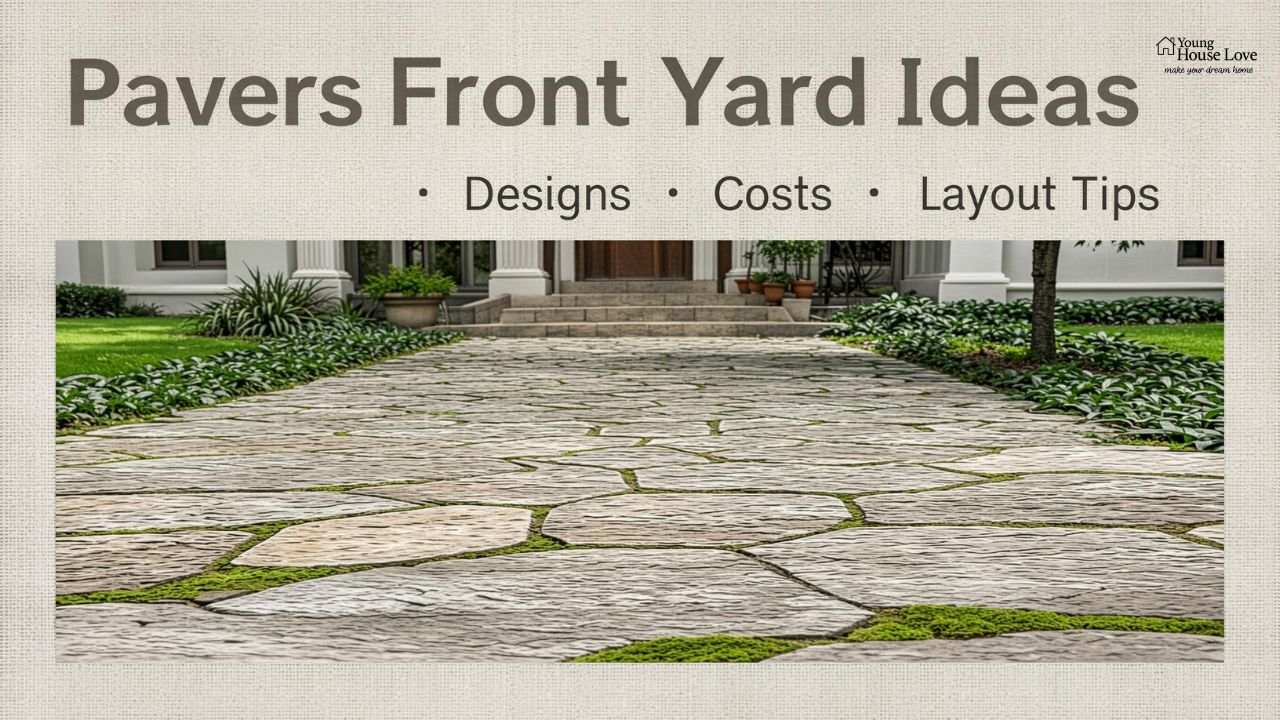
Natural stone slabs create a softer, garden-like path. Irregular flagstone works well with cottage planting and woodland-style front yards.
For a cleaner look, use rectangular stone or large-format concrete slabs.
Driveway Paver Ideas
Driveway pavers need strength, proper base preparation, and edge restraint. A driveway handles more weight than a walkway, so installation quality matters.
Full Paver Driveway
A full paver driveway can dramatically improve curb appeal. It looks more custom than plain concrete and can be designed with borders, patterns, and color blends.
HomeAdvisor reports driveway paver labor often runs around $5 to $10 per square foot, with costs affected by excavation, base prep, soil conditions, pattern complexity, and location.
Paver Driveway Apron
A driveway apron is the area near the street or garage. Adding pavers here creates a decorative accent without paving the entire driveway.
This is a good option when the existing driveway is still in decent shape.
Two-Strip Driveway
A two-strip driveway uses pavers only where tires travel, with grass, gravel, or groundcover between the strips.
It has an old-world feel and can reduce hard surface coverage. However, it must be planned carefully for vehicle width and daily use.
Permeable Paver Driveway
A permeable driveway can help reduce runoff. It is especially useful in areas with heavy rain, drainage rules, or water pooling near the street.
The base design is different from a standard paver installation, so hire someone experienced with permeable systems.
Pavers Front Yard Layout Tips
A good pavers front yard layout should feel natural from the street, driveway, sidewalk, and front door.
Match the House Style
A modern house usually looks better with clean lines and larger pavers. A cottage may look better with brick, stone, curves, and soft planting. A Mediterranean home may suit warm-toned pavers, gravel, and terracotta accents.
Keep the Route Obvious
Guests should not wonder how to reach the front door. The main path should be clear and welcoming.
Use Borders for Structure
Borders make pavers look finished. They can also help define curves, hold edges, and add contrast.
Popular border ideas include:
- Darker paver border
- Brick edge along concrete pavers
- Soldier course border
- Natural stone edge
- Metal edging beside gravel
- Double border for wide driveways
Balance Hardscape and Plants
Too much paving can feel cold. Too many plants can hide the path. The best front yards usually balance both.
Think About Nighttime
Lighting matters. Path lights, step lights, porch lights, and low-voltage landscape lighting make paver paths safer and more attractive after dark.
Drainage, Permeable Pavers, and Safety
Drainage is one of the most important parts of any pavers front yard project. Water should move away from the house, not toward the foundation, porch, garage, or steps.
Permeable pavement can reduce runoff by letting water pass through the surface into the layers below. The EPA explains that permeable surfaces can reduce runoff from rain and snowmelt and help filter pollutants before water reaches waterways.
Good drainage planning may include:
- Proper slope away from the house
- Compact base layers
- Permeable paver base where needed
- Drainage stone
- Edge restraints
- Downspout extensions
- French drains where appropriate
- Avoiding low spots near the entry
Safety matters too. Front paths should be stable, even, and easy to walk on. Avoid overly rough stone where elderly guests, children, or delivery workers may trip. Also avoid glossy materials that become slippery when wet.
Cost and Budget Planning
The cost of pavers depends on material, area size, labor, base preparation, drainage, design pattern, demolition, access, and local rates.
Angi reports that paver patio installation commonly ranges from about $8 to $25 per square foot, with high-end materials such as flagstone costing more. While patios are not the same as front walkways or driveways, this gives a useful cost comparison for paver work.
| Project Type | Cost Level | Notes |
|---|---|---|
| Small walkway | Lower | Less material, but may still have minimum labor charges |
| Front porch landing | Low to medium | Good upgrade for small entries |
| Driveway border | Medium | Adds curb appeal without full replacement |
| Full paver driveway | High | Needs strong base and more labor |
| Permeable paver system | Medium to high | Base design adds cost |
| Natural stone path | Medium to high | Material and labor vary |
| Custom pattern | Higher | More cuts and installation time |
What Raises the Price?
Costs can rise because of:
- Old concrete removal
- Tree roots
- Poor soil
- Drainage problems
- Complex curves
- Herringbone or detailed patterns
- Natural stone
- Tight access
- Steps or grade changes
- Thick driveway base requirements
Where to Save Money
You can control cost by using pavers only where they matter most. For example, build a paver walkway and porch landing, but keep the driveway simple. Or use a paver border along existing concrete.
The best pavers front yard design does not have to cover the whole yard. Sometimes one strong path does more than a large, expensive hardscape area.
Maintenance and Long-Term Care
Pavers are durable, but they are not completely maintenance-free.
Routine care includes:
- Sweeping leaves and dirt
- Rinsing stains quickly
- Pulling weeds from joints
- Replacing joint sand when needed
- Checking edge movement
- Cleaning oil spots from driveways
- Re-leveling small settled areas
- Sealing when recommended
The Concrete Masonry & Hardscapes Association recommends routine preventive maintenance for interlocking concrete pavement systems, often in spring and fall, to support long-term performance.
Should You Seal Front Yard Pavers?
Sealing can deepen color, reduce staining, and make cleaning easier. It is often useful for driveways, high-traffic walkways, and areas under trees.
However, sealing is not always required. Some homeowners prefer the natural aging of brick or stone. Ask the manufacturer or installer what is best for your material.
How Long Do Pavers Last?
Lifespan depends on material, installation, climate, drainage, maintenance, and traffic. Concrete pavers, brick pavers, and natural stone can last a long time when installed over a proper base. The main problems usually come from poor compaction, weak edging, water movement, or tree roots rather than the pavers themselves.
Pavers Front Yard Ideas by Home Style
Modern Home
Use large concrete pavers, straight lines, gravel joints, low grasses, black planters, and simple lighting.
Farmhouse Home
Use brick pavers, warm concrete pavers, stone borders, porch planters, and soft white flowers.
Cottage Home
Use curved paths, natural stone, irregular edges, flowering plants, and a cozy entry landing.
Mediterranean Home
Use warm tan pavers, terracotta accents, gravel, olive trees, lavender, rosemary, and stucco walls.
Traditional Home
Use brick, cobblestone accents, symmetrical paths, low hedges, and classic lighting.
Craftsman Home
Use earthy paver tones, stone edges, wood accents, deep planting beds, and wide steps.
Ranch Home
Use a clear path from driveway to door, low planting, a paver porch extension, and a border to break up long concrete areas.
Common Mistakes to Avoid
Choosing Pavers Only by Color
Color matters, but base prep, thickness, texture, and installation quality matter more.
Ignoring the Home’s Architecture
A rustic stone path may look strange with a sharp modern house. A sleek concrete slab path may feel too cold for a cottage.
Making the Walkway Too Narrow
A narrow path saves material but can feel uncomfortable. Think about two people walking together.
Forgetting Drainage
Water pooling near the house, steps, or driveway edge can create stains, ice, settlement, or foundation concerns.
Skipping Edge Restraints
Edges keep pavers from spreading. Without proper edging, the path can lose shape.
Using Indoor Tile Outside
Not all tile or stone is suitable for outdoor freeze-thaw, wet areas, or foot traffic.
Overpaving the Yard
A front yard should still breathe. Mix pavers with plants, mulch, gravel, lawn, or groundcover.
Hiring Based Only on the Lowest Bid
A cheap installation may skip excavation, base depth, compaction, drainage, or edging. Those hidden steps decide how long the project lasts.
How to Choose a Contractor
A paver contractor should understand grading, base preparation, compaction, drainage, cutting, patterns, and edge restraints.
Ask for:
- Proof of insurance
- Photos of recent front yard work
- Material recommendations
- Base depth details
- Drainage plan
- Written estimate
- Warranty terms
- Timeline
- Cleanup details
- References
A good contractor should explain why they recommend a specific base, paver thickness, joint material, and slope. If they only talk about color, keep asking questions.
Industry Background and Financial Insights
This topic is about a landscape and hardscape feature, not a public person, so personal background and net worth are not directly applicable.
However, the “career journey” of paver design is useful to understand. Pavers began as practical surfaces for roads, courtyards, and walkways. Over time, they became a major part of residential landscaping because they offer beauty, strength, pattern, and repair flexibility.
Today, front yard paver work may involve landscape designers, hardscape contractors, driveway installers, masons, drainage specialists, and lighting professionals. A small path may be simple. A full driveway or permeable system needs deeper planning.
Financially, pavers front yard projects can be a smart curb appeal investment when they improve access, solve drainage, and make the entry feel complete. The best value usually comes from good design and proper installation, not from choosing the most expensive material.
FAQs
Are pavers good for a front yard?
Yes. Pavers work well for front walkways, driveways, porch landings, garden paths, borders, and small seating areas. They add texture, structure, and curb appeal.
What are the best pavers front yard ideas for curb appeal?
Curved walkways, brick paths, driveway borders, paver porch landings, permeable paver driveways, and mixed paver-and-gravel designs are all strong curb appeal ideas.
Are pavers better than concrete for a front walkway?
Pavers usually offer more design flexibility and easier spot repairs. Concrete can be cheaper and simpler, but cracks are harder to repair invisibly.
How much do front yard pavers cost?
Costs vary by material, labor, base prep, and project type. Many paver installations fall around $8 to $25 per square foot for patio-style work, while driveways and custom projects may cost more.
Do pavers need a concrete base?
Not always. Many paver systems use compacted aggregate and bedding sand. Some special applications may use concrete, but the right base depends on the material, load, soil, and design.
Are permeable pavers worth it?
They can be worth it if you have runoff problems, drainage rules, or water pooling. They allow water to pass through the surface and into the base layers below.
What paver color is best for a front yard?
Choose colors that match the home’s roof, brick, stone, siding, and trim. Warm neutrals, gray blends, charcoal borders, brick red, tan, and natural stone tones are popular.
Can pavers be used for a driveway?
Yes, but driveway pavers need proper thickness, base depth, compaction, and edge restraint to handle vehicle loads.
Do pavers front yard projects need maintenance?
Yes. Sweep regularly, control weeds, refill joints when needed, clean stains, and check for settled areas. Maintenance is usually manageable when the installation is done well.
Conclusion
The best pavers front yard design makes the home feel more welcoming before anyone steps inside. It guides visitors, frames the entry, improves curb appeal, and can even help with drainage when planned correctly.
Start with the way people move through the space. Then choose materials, patterns, borders, plants, lighting, and drainage details that fit your home’s style.
Pavers can look beautiful, but the hidden work matters just as much. A strong base, correct slope, proper edging, and thoughtful layout will keep the project looking good long after the first day.