
There’s a chipped teacup in my kitchen cabinet that I refuse to throw away. The handle has a hairline crack, the glaze has worn thin in one spot, and honestly, it’s seen better days. But every time I reach for it instead of the matching set, I’m reminded of something the Japanese figured out centuries before “self-care” became a hashtag: wabi sabi. If you’ve ever felt drawn to a weathered piece of furniture, a hand-thrown ceramic bowl with an uneven rim, or a linen shirt that looks better the more it’s worn, you’ve already brushed up against this quiet, powerful idea — even if you didn’t have a name for it.
Wabi sabi isn’t a trend, even though it gets used that way in design magazines and lifestyle blogs. It’s a centuries-old Japanese worldview that finds beauty in imperfection, age, and the natural cycle of growth and decay. In a culture that often pushes us toward flawless, filtered, and brand-new, wabi sabi offers something different: permission to appreciate things — and people — exactly as they are, cracks and all.
This matters more than it might seem at first glance. We live in an era of constant upgrades, endless scrolling, and curated perfection. Wabi sabi pushes back against all of that, gently. It doesn’t ask you to buy more; it asks you to look closer. And once you understand what wabi sabi really means, you start noticing it everywhere — in your closet, your living room, even in the way you think about your own flaws.
In this guide, we’ll unpack the real wabi sabi meaning, trace where the idea came from, and look at how it shows up in wabi sabi style, wabi sabi clothing, and wabi sabi interior design today. By the end, you’ll have a clear, practical sense of what is wabi sabi and how to bring a little of that philosophy into your own life.
What Is Wabi Sabi? A Real Definition
So, what is wabi sabi, exactly? At its core, wabi sabi is a Japanese aesthetic and philosophical concept centered on accepting transience and imperfection. It’s the appreciation of things that are incomplete, modest, humble, and unconventional — a worn wooden floor, a slightly lopsided pot, a garden that’s allowed to grow a little wild.
A simple wabi sabi definition might read: the art of finding beauty in imperfection and an acceptance of the natural cycle of growth, decay, and impermanence. But that single sentence doesn’t quite capture how deep the idea runs in Japanese culture. Wabi sabi isn’t just a design choice; it’s closely tied to Zen Buddhist thought, particularly the ideas of mindfulness, simplicity, and letting go of attachment to permanence.
Wabi vs. Sabi: Breaking Down the Two Words
The term wabi sabi is actually a combination of two related but distinct concepts:
- Wabi originally referred to the loneliness of living simply and apart from society, but over time it evolved to describe rustic simplicity, quietness, and an understated, unpretentious kind of elegance.
- Sabi refers to the beauty that comes with age — the patina on bronze, the cracks in old pottery, the way materials change and weather over time.
Put together, wabi-sabi describes objects, spaces, or moments that are humble, imperfect, and shaped by time — and are more beautiful because of it, not despite it.
Where Wabi Sabi Came From
The roots of wabi sabi trace back to the 15th century and the Japanese tea ceremony. Legend has it that a young tea master named Sen no Rikyu was asked to tend a garden. Rather than sweeping it spotless, he cleaned it carefully and then shook a single tree so a few leaves fell naturally onto the ground. That small act — perfection paired with a touch of imperfection — is often cited as the birth of the wabi sabi sensibility.
This idea took hold in the tea ceremony tradition, where simple, handmade, irregularly shaped tea bowls were valued over flawless, symmetrical ones. From there, wabi sabi quietly influenced Japanese art, architecture, poetry, and eventually the broader design world we know today.
The Wabi Sabi Philosophy in Everyday Life
It’s easy to think of wabi sabi as just an interior design buzzword, but the philosophy runs much deeper than throw pillows and ceramic vases. At its heart, wabi sabi is about three connected ideas:
- Impermanence — nothing lasts forever, and that’s okay.
- Imperfection — flaws aren’t failures; they’re evidence of a real, lived life.
- Incompleteness — leaving room for things to change, grow, or simply be unfinished.
When you apply that mindset beyond your bookshelf, wabi sabi becomes a quiet form of self-acceptance. Instead of chasing an unattainable version of “perfect,” you start appreciating the version of yourself, your home, and your life that already exists — weathered edges included. People who practice wabi sabi often describe feeling less anxious about aging, less obsessed with trends, and more present in ordinary moments. It’s less about how a room looks and more about how it feels to live in it.
Wabi Sabi Style: Embracing Imperfect Beauty
When people talk about wabi sabi style, they usually mean a visual and sensory approach built around natural materials, muted colors, and asymmetry. It’s the opposite of glossy, mass-produced perfection. Think hand-thrown ceramics instead of perfectly uniform dishware, or a raw wood table with visible grain instead of a high-gloss laminate surface.
A few defining traits of wabi sabi style include:
- Natural, earthy materials — wood, stone, clay, linen, and unbleached cotton.
- Muted, organic color palettes — soft greys, warm browns, sage greens, and off-whites.
- Visible imperfections — cracks, knots, asymmetry, and uneven textures treated as features, not flaws.
- A sense of age and history — objects that look like they’ve lived a life, rather than just arrived from a factory.
- Negative space — rooms and outfits that breathe, with nothing overly cluttered or forced.
Wabi sabi style also leans heavily on craftsmanship. A handmade bowl with a slightly uneven edge tells a more interesting story than a perfectly symmetrical one churned out by a machine. That’s the entire point: the “flaw” is the fingerprint of the maker, and that fingerprint is worth more than flawlessness.
Wabi Sabi Design Principles You Can Actually Use
If you’re trying to bring wabi sabi design into your own space or wardrobe, a few practical principles help:
- Choose quality over quantity — fewer, better-made pieces beat a closet or shelf full of disposable items.
- Let materials show their age instead of hiding it with constant replacement.
- Favor asymmetry and organic shapes over rigid, perfectly matched sets.
- Leave some things unfinished or evolving, rather than forcing instant “completeness.”
Wabi Sabi Clothing: Wearing the Philosophy
Wabi sabi clothing takes the same principles — imperfection, naturalness, and quiet elegance — and applies them to what you wear. This isn’t about looking sloppy; it’s about choosing garments that age gracefully, move with the body, and feel handmade rather than mass-produced.
Typical wabi sabi clothing favors:
- Natural fibers like linen, raw silk, hemp, and undyed cotton that soften and develop character over time.
- Loose, relaxed silhouettes that don’t fight the body’s natural shape.
- Muted, earthy tones — think clay, charcoal, oat, and indigo rather than bright, synthetic colors.
- Visible texture and slight irregularity — slubbed weaves, hand-stitched seams, or naturally uneven dyeing.
The Brocade Skirt in a Wabi Sabi Wardrobe
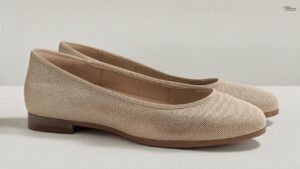
One piece that often surprises people in a wabi sabi capsule wardrobe is the brocade skirt. At first glance, brocade — with its raised, woven patterns — seems like the opposite of “humble.” But a brocade skirt made from natural fibers, finished with imperfect, slightly irregular patterning, or softened through age and wear, fits comfortably into wabi sabi style. The key is choosing a brocade skirt that feels lived-in rather than stiff and showroom-perfect — something with texture and history rather than a flat, machine-uniform sheen. Paired with a simple linen top or a raw-edged jacket, a well-worn brocade skirt becomes a quiet statement piece rather than a loud one.
Building a Wabi Sabi Wardrobe
If you want to shift your closet toward wabi sabi clothing, start small:
- Audit what you already own and pull out pieces in natural fabrics and muted tones.
- Repair instead of replace — visible mending (a popular technique called sashiko in Japan) turns flaws into design details.
- Buy fewer, better pieces, prioritizing natural materials over synthetic ones.
- Let go of the need for everything to match perfectly.
Wabi Sabi Interior Design: Bringing Imperfection Home
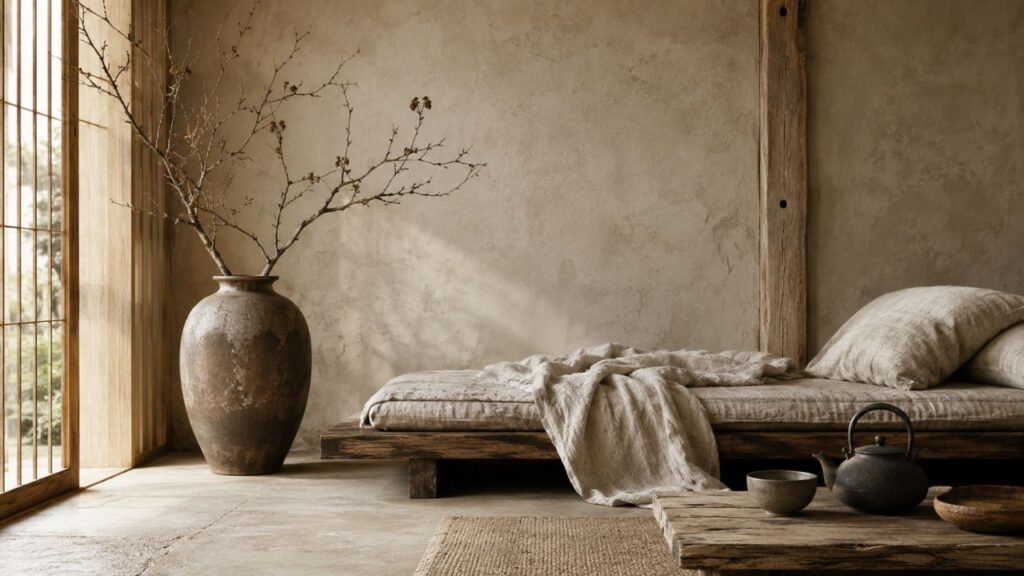
Of all the places wabi sabi shows up, wabi sabi interior design is probably the most visible. Walk into a home styled this way and you’ll notice it immediately: nothing feels staged, nothing matches too perfectly, and yet everything feels calm and intentional.
Materials and Textures
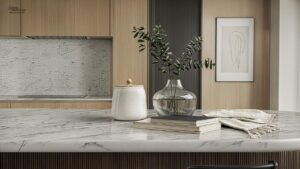
Wabi sabi interior design leans heavily on raw, tactile materials — unfinished wood, exposed stone, hand-glazed ceramics, woven baskets, and linen textiles. Rather than hiding imperfections behind paint or polish, these materials are chosen specifically because they show wear beautifully.
Color Palettes
Color in wabi sabi interior design stays close to nature: warm neutrals, soft clay tones, weathered greys, and deep, muted greens. Bright, saturated colors are rare, since the goal is to create a calm, grounded backdrop rather than a visually loud one.
Small Wabi Sabi Design Touches
You don’t need a full renovation to bring wabi sabi design into your home. A few easy entry points include:
- Swap a perfectly matched dish set for mismatched, handmade ceramics.
- Display a cracked or repaired bowl instead of hiding it — consider kintsugi-style repair with visible gold seams.
- Choose a raw-edge wooden table or shelf instead of a glossy, uniform one.
- Add dried branches, stones, or other natural elements instead of artificial decor.
- Leave a wall or corner intentionally simple rather than filling every surface.
Wabi Sabi in Art, Architecture, and Everyday Objects
Long before “wabi sabi” became a phrase you’d see on a candle label, it was already shaping Japanese art and architecture in ways most people never consciously notice. Traditional tea houses, for instance, were often built with irregular wooden beams, unevenly plastered walls, and modest, weathered materials — all deliberate choices meant to reflect humility and the passage of time rather than wealth or grandeur.
In pottery, this shows up through techniques like raku firing, where unpredictable cracks, ash marks, and color variations in the glaze are celebrated rather than considered defects. Each piece is, by design, one of a kind. In calligraphy and ink painting, a slightly uneven brushstroke or an intentionally “unfinished” composition is often valued more highly than a technically flawless one, because it captures a single, fleeting moment rather than a sterile, repeatable image.
Even Japanese gardens reflect wabi sabi thinking. Rather than manicured symmetry, many traditional gardens incorporate moss-covered stones, asymmetrical paths, and plants left to grow somewhat freely, mimicking how nature actually behaves rather than forcing it into a rigid pattern. The result feels alive and unforced — a garden that looks like it grew that way, rather than one that was assembled.
This same sensibility has slowly worked its way into contemporary architecture and product design worldwide. You’ll see it in exposed concrete walls left with visible form lines, furniture made from reclaimed or live-edge wood, and ceramics intentionally finished with an uneven glaze. None of this is accidental — it’s a continuation of the same wabi sabi values that shaped tea bowls and garden stones centuries ago.
Common Misconceptions About Wabi Sabi
Because wabi sabi has become something of a buzzword, a few misunderstandings tend to follow it around. Clearing these up makes it easier to apply the philosophy authentically rather than just decoratively.
- “Wabi sabi means messy or unfinished in a careless way.” Not quite. Wabi sabi imperfection is intentional and considered, not the result of neglect. A pile of unwashed dishes isn’t wabi sabi; a hand-glazed bowl with a natural, uneven rim is.
- “Wabi sabi is just a Pinterest aesthetic.” While it’s certainly become a popular design trend, the roots of wabi sabi go back hundreds of years and are tied to real philosophical and spiritual traditions, not just a color palette.
- “You have to buy expensive, artisanal goods to practice wabi sabi.” In reality, wabi sabi is just as much about repairing and appreciating what you already own as it is about acquiring new pieces.
- “Wabi sabi and shabby chic are the same thing.” Shabby chic borrows a distressed, vintage look primarily for visual style. Wabi sabi is less about achieving a specific look and more about a mindset of acceptance toward imperfection and impermanence, even if the object in question looks brand new.
Wabi Sabi vs. Minimalism: What’s the Difference?
People often confuse wabi sabi with minimalism, and while they overlap, they’re not the same thing. Minimalism is primarily about restraint — owning less, simplifying space, and removing visual clutter. Wabi sabi is about emotional and aesthetic acceptance of imperfection and impermanence; it doesn’t require an empty, stripped-down space at all.
A minimalist room might be all clean lines and neutral tones with nothing out of place. A wabi sabi room might have those same neutral tones but include a slightly uneven handmade vase, a worn leather chair, or a wooden beam left rough and unpolished. Minimalism asks, “What can I remove?” Wabi sabi asks, “What can I appreciate as it already is?”
How to Start Living the Wabi Sabi Way
Bringing wabi sabi into daily life doesn’t require an aesthetic overhaul. It’s more of a mindset shift that gradually shows up in small choices:
- Resist the urge to replace something the moment it shows wear.
- Repair visible damage instead of hiding it — let the repair become part of the object’s story.
- Choose one handmade or imperfect item over a mass-produced “perfect” one when you can.
- Spend time outdoors noticing how natural objects age — bark, stone, leaves — and let that inform what you find beautiful indoors.
- Practice noticing your own “imperfections” with the same generosity you’d extend to a favorite worn-in jacket or a cracked ceramic bowl.
None of this happens overnight, and that’s sort of the point. Wabi sabi isn’t a finished look you achieve once; it’s a relationship with time, wear, and acceptance that keeps unfolding.
Frequently Asked Questions About Wabi Sabi
What does wabi sabi mean in English?
There’s no single perfect English translation, but wabi sabi roughly means “imperfect, impermanent, and incomplete beauty.” It combines wabi (rustic simplicity) and sabi (the beauty of age) into one concept centered on accepting things as they naturally are.
Is wabi sabi a religion?
No. Wabi sabi isn’t a religion, though it’s closely connected to Zen Buddhist ideas about impermanence and mindfulness. It’s better described as an aesthetic and philosophical outlook rather than a religious practice.
How is wabi sabi different from Scandinavian hygge?
Hygge focuses on comfort, coziness, and warmth, often through soft textiles and warm lighting. Wabi sabi focuses more on imperfection, age, and natural materials. They can overlap in a home, but hygge prioritizes comfort while wabi sabi prioritizes authenticity and acceptance of flaws.
Can wabi sabi style work in a small apartment?
Yes, and in many ways it’s especially well-suited to small spaces. Because wabi sabi design favors a few meaningful, well-made pieces over a lot of stuff, it naturally avoids clutter — which makes it a great fit for smaller rooms.
What colors are used in wabi sabi design?
Wabi sabi design typically uses muted, earthy colors: warm beiges, soft greys, clay, charcoal, sage, and other tones drawn directly from nature. Bright or highly saturated colors are generally avoided in favor of a calmer, grounded palette.
Is wabi sabi clothing the same as “cottagecore” or “boho” style?
Not exactly. While there’s some visual overlap, wabi sabi clothing focuses specifically on natural materials, age, and intentional imperfection, whereas cottagecore leans more romantic and pastoral, and boho leans more eclectic and pattern-heavy.
Why do people pay more for imperfect, handmade items?
Handmade items carry the visible mark of the person who made them — slight asymmetries, tool marks, or natural variation in glaze and grain. In wabi sabi philosophy, that individuality is the value, not a defect, which is part of why these pieces are often priced higher than mass-produced alternatives.
How do I introduce wabi sabi into a modern, all-white home?
Start with texture rather than color. Add a hand-thrown ceramic piece, a raw-wood shelf, a linen throw, or a slightly irregular woven basket. You don’t need to change your color scheme — just introduce a few natural, imperfect textures that contrast gently with cleaner, modern lines.
Final Thoughts
Wabi sabi isn’t about achieving a particular look; it’s about changing how you see the things already around you. That chipped teacup, the worn-in brocade skirt, the wooden table with a few scratches — none of it needs fixing or replacing to be beautiful. If anything, those small imperfections are what make a space, an outfit, or even a life feel real instead of staged.
You don’t need to redecorate your whole home or rebuild your wardrobe overnight to live by wabi sabi principles. Start with one object you already own that shows its age honestly, and let that be your reminder: nothing has to be perfect to be worth keeping.