
Introduction
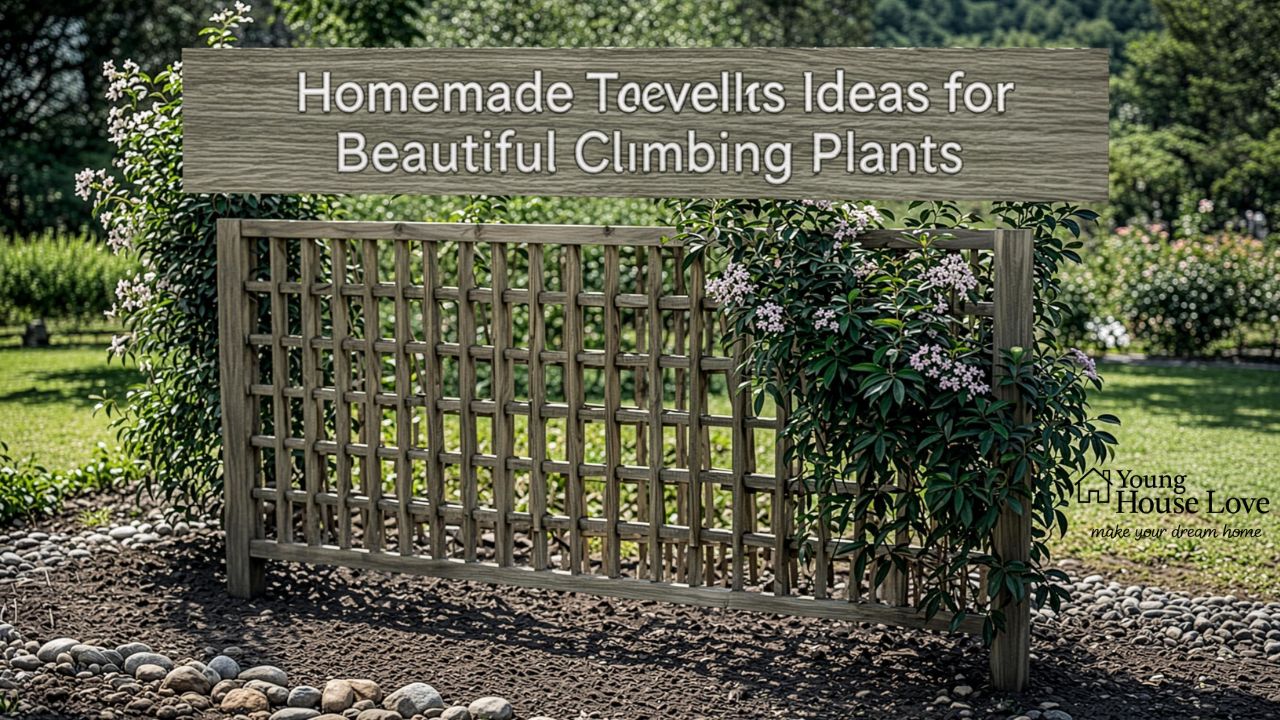
There’s something deeply satisfying about watching plants climb, twist, and flourish—especially when they’re supported by something you built yourself. A homemade trellis doesn’t just help your plants grow better; it adds charm, personality, and structure to your garden.
Whether you’re working with a tiny balcony or a sprawling backyard, creating your own support system for climbing plants can transform your space. It’s cost-effective, customizable, and surprisingly easy—even for beginners.
In this guide, you’ll learn how to design, build, and use a trellis that fits your needs perfectly. From simple wooden frames to creative upcycled ideas, we’ll cover everything you need to turn your garden into a thriving vertical paradise.
Why Every Garden Needs a Trellis
A trellis is more than just a plant support—it’s a tool that enhances both the health of your plants and the beauty of your space.
Benefits of Using a Trellis
- Improves plant growth: Keeps plants off the ground, reducing rot and disease
- Maximizes space: Ideal for small gardens or urban setups
- Enhances airflow: Helps prevent fungal issues
- Boosts sunlight exposure: Ensures even growth
- Adds visual appeal: Turns your garden into a living display
A well-built homemade trellis allows you to tailor these benefits to your exact garden layout and plant types.
Choosing the Right Materials for Your Trellis
Before you start building, it’s important to select materials that suit your environment and design preferences.
Common Materials to Consider
- Wood: Classic, versatile, and easy to work with
- Metal: Durable and modern-looking
- Bamboo: Lightweight and eco-friendly
- PVC pipes: Affordable and weather-resistant
- Recycled items: Old ladders, pallets, or fencing
What to Look For
- Weather resistance
- Strength and durability
- Ease of assembly
- Availability and cost
The beauty of a homemade trellis is that you can mix and match materials to suit your style and budget. Upgrade your home with Aactivepropertycare and expert wainscoting solutions designed to add style, protection, and lasting value. From modern interiors to classic finishes, we deliver quality craftsmanship that enhances every space.
Simple Wooden Trellis Design for Beginners

4
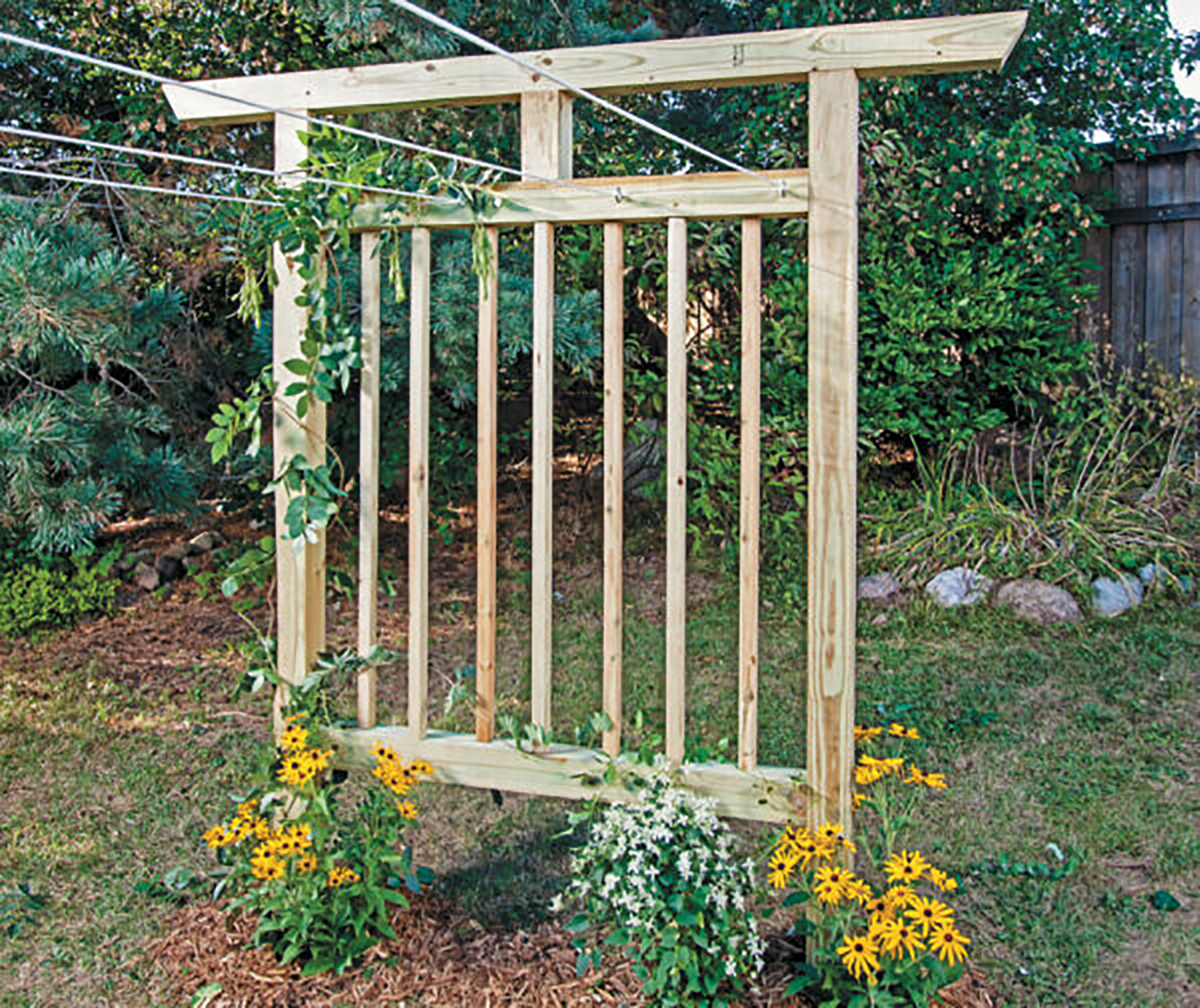
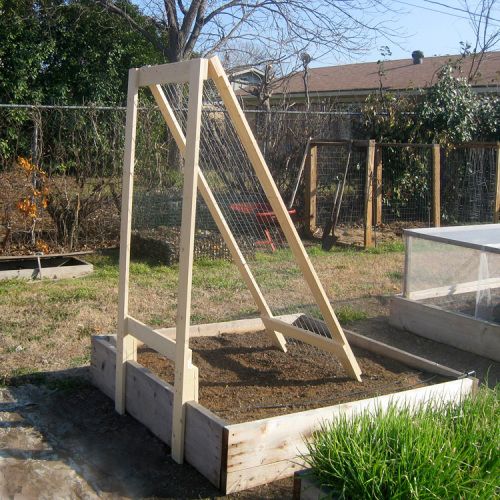
If you’re new to DIY gardening, starting with a wooden trellis is a great choice.
What You’ll Need
- Wooden stakes or slats
- Nails or screws
- Hammer or drill
- Measuring tape
- Saw
Step-by-Step Process
- Measure your space
Decide the height and width based on your plants. - Cut the wood
Prepare vertical and horizontal pieces. - Assemble the frame
Create a rectangular structure. - Add cross supports
Form a grid or lattice pattern. - Secure it in the ground
Anchor firmly to prevent tipping.
This type of homemade trellis works beautifully for beans, peas, and flowering vines.
Creative Upcycled Trellis Ideas
Not everything needs to be built from scratch. Sometimes, the best designs come from items you already have.
Unique Ideas to Try
- Old wooden ladders
- Bicycle wheels
- Window frames
- Metal bed frames
- Wire fencing
Why Upcycling Works
- Saves money
- Reduces waste
- Adds unique character
- Encourages creativity
A homemade trellis made from recycled materials often becomes a conversation piece in your garden.
Best Plants for a Trellis Setup

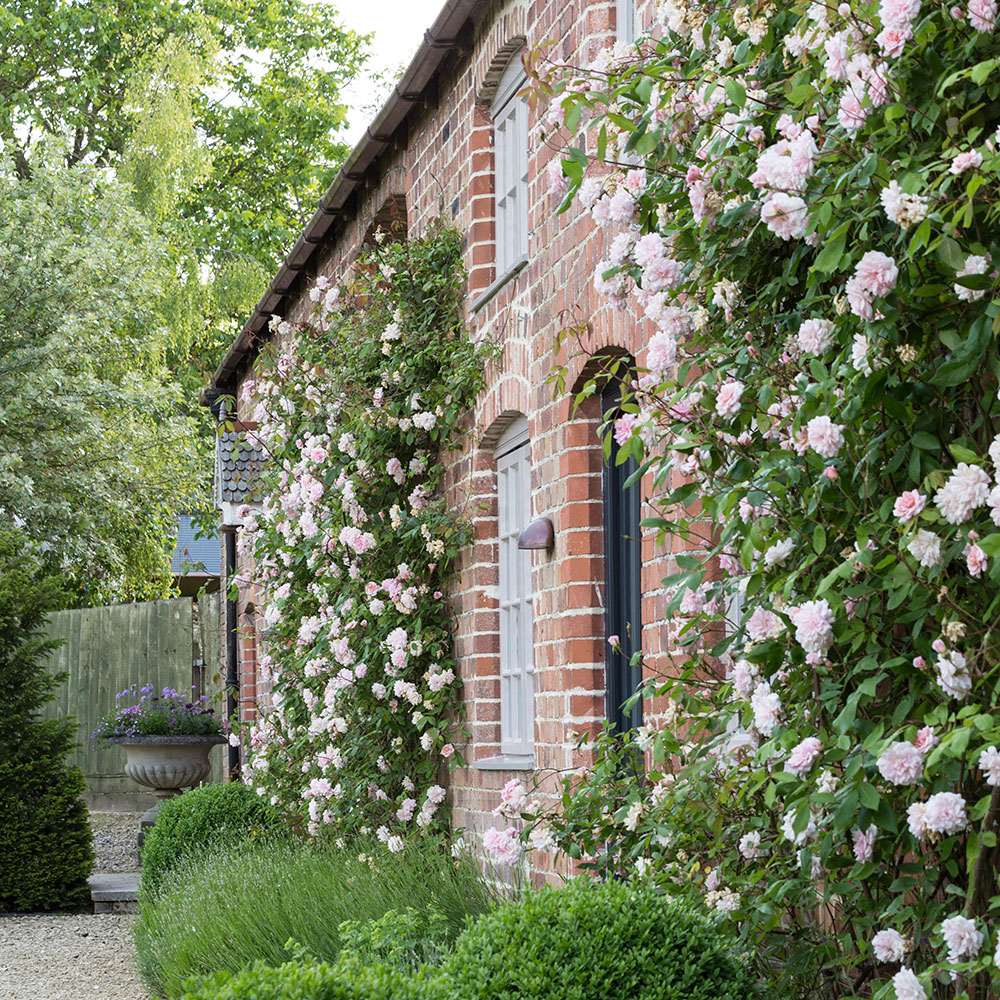
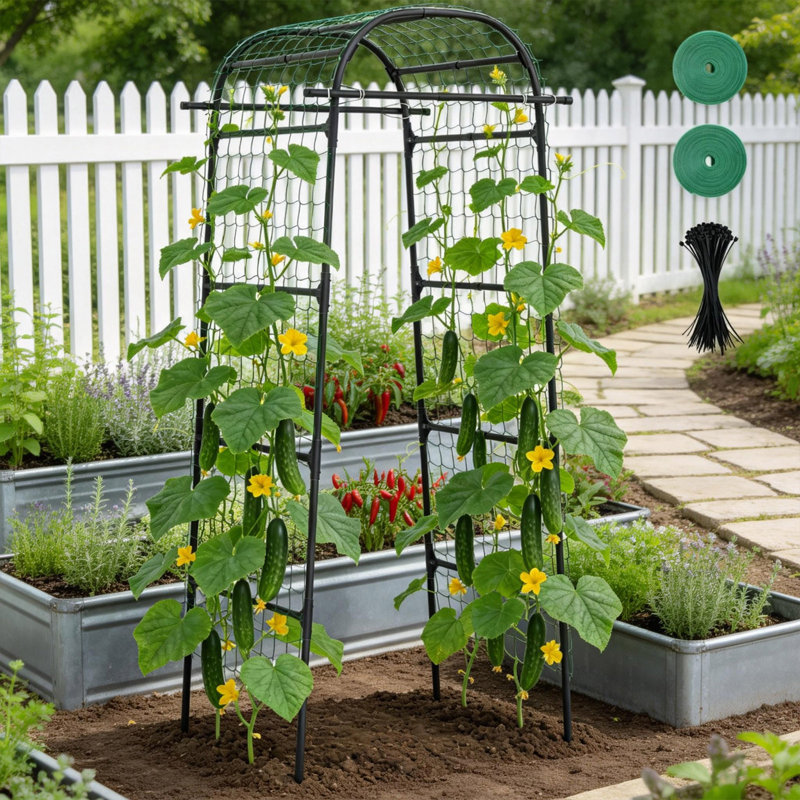
Not all plants need support, but many thrive with it.
Vegetables
- Tomatoes
- Cucumbers
- Peas
- Beans
Flowers
- Roses
- Clematis
- Morning glory
- Jasmine
Decorative Plants
- Ivy
- Honeysuckle
- Bougainvillea
Choosing the right plants ensures your homemade trellis becomes both functional and visually stunning.
Vertical Gardening: Maximizing Small Spaces
If you’re short on space, a trellis can completely change how you garden.
Advantages of Vertical Gardening
- Uses less ground space
- Easier harvesting
- Better pest control
- Cleaner produce
Tips for Small Spaces
- Use wall-mounted trellises
- Opt for lightweight materials
- Choose compact plant varieties
- Ensure proper sunlight exposure
A compact homemade trellis can turn even a balcony into a lush green oasis.
Designing a Trellis That Matches Your Garden Style

Your trellis should complement your garden’s overall aesthetic.
Popular Design Styles
- Rustic: Natural wood, rough finishes
- Modern: Clean lines, metal frames
- Classic: White-painted lattice
- Bohemian: Colorful and artistic
Customization Ideas
- Paint or stain the wood
- Add decorative elements
- Incorporate lighting
- Combine with planters
A thoughtfully designed homemade trellis enhances both form and function.
Maintenance Tips for Long-Lasting Trellises
Building your trellis is just the beginning. Proper care ensures it lasts for years.
Maintenance Checklist
- Inspect for damage regularly
- Repaint or seal wood annually
- Tighten loose joints
- Clean dirt and debris
- Replace weak parts
Weather Protection
- Use weather-resistant coatings
- Elevate base from wet soil
- Store portable trellises during harsh weather
Taking care of your homemade trellis ensures it continues to support your plants season after season.
Common Mistakes to Avoid
Even simple projects can go wrong without proper planning.
What to Watch Out For
- Using weak materials
- Poor anchoring
- Overcrowding plants
- Ignoring sunlight direction
- Skipping maintenance
Avoiding these mistakes will help your homemade trellis perform effectively and look great.
FAQs
Frequently Asked Questions
What is the easiest trellis to make at home?
A simple wooden frame with a grid pattern is the easiest and most beginner-friendly option.
How tall should a trellis be?
It depends on the plant, but most trellises range between 4 to 8 feet in height.
Can I build a trellis without tools?
Yes, using materials like bamboo and rope allows for tool-free assembly.
Which plants grow fastest on a trellis?
Beans, peas, and morning glory are among the fastest-growing climbers.
How do I secure a trellis in the ground?
You can anchor it using stakes, bury the base, or attach it to a wall or fence.
Is a wooden trellis durable?
Yes, especially if treated with weather-resistant sealant and maintained regularly.
Can I use a trellis indoors?
Absolutely. Smaller trellises work well for indoor climbing plants like pothos.
How much does it cost to build a trellis?
Costs vary, but a basic homemade trellis can be built for very little using recycled materials.
Conclusion
A garden should feel alive, personal, and ever-evolving—and a trellis plays a huge role in that transformation. Building your own gives you complete control over design, function, and creativity.
From simple wooden frames to imaginative upcycled structures, the possibilities are endless. More importantly, the process itself is rewarding—you’re not just growing plants, you’re shaping your environment.
With the right approach, your homemade trellis becomes more than a support system. It becomes a centerpiece, a conversation starter, and a reflection of your creativity.