Introduction
A pond filter pump is one of the most important components of any healthy and attractive garden pond. Whether you own a decorative backyard pond, a fish pond, or a water feature with a fountain, the right pump and filtration system help maintain clean water, improve circulation, and support aquatic life.
Modern pond filter fountain pump systems combine filtration and water movement into a single solution. This makes pond maintenance easier while improving the appearance and functionality of fountains and waterfalls. Choosing the right setup can significantly reduce algae growth, remove debris, and create a healthier environment for fish and plants.
This guide explains how a pond filter pump works, why it matters, and what features buyers should consider before making a purchase.
What Is a Pond Filter Pump?
A pond filter pump is a device that circulates water through a filtration system to remove dirt, organic waste, and suspended particles. The cleaned water is then returned to the pond through a fountain, waterfall, or return outlet.
Unlike a standard water pump, a pond filter fountain pump performs two important tasks simultaneously. It moves water continuously while supporting biological and mechanical filtration processes. This combination helps maintain water clarity and reduces maintenance requirements.
A properly sized system ensures that the entire pond volume is filtered regularly throughout the day. This continuous circulation prevents stagnant water conditions and promotes a balanced aquatic ecosystem.
Why Pond Filtration Is Important
Clean water is essential for maintaining fish health and preventing unpleasant odors. Without proper filtration, organic matter such as leaves, fish waste, and uneaten food can accumulate rapidly.
A high-quality pond filter pump removes these contaminants before they begin affecting water quality. Better filtration also reduces the likelihood of excessive algae growth caused by nutrient buildup.
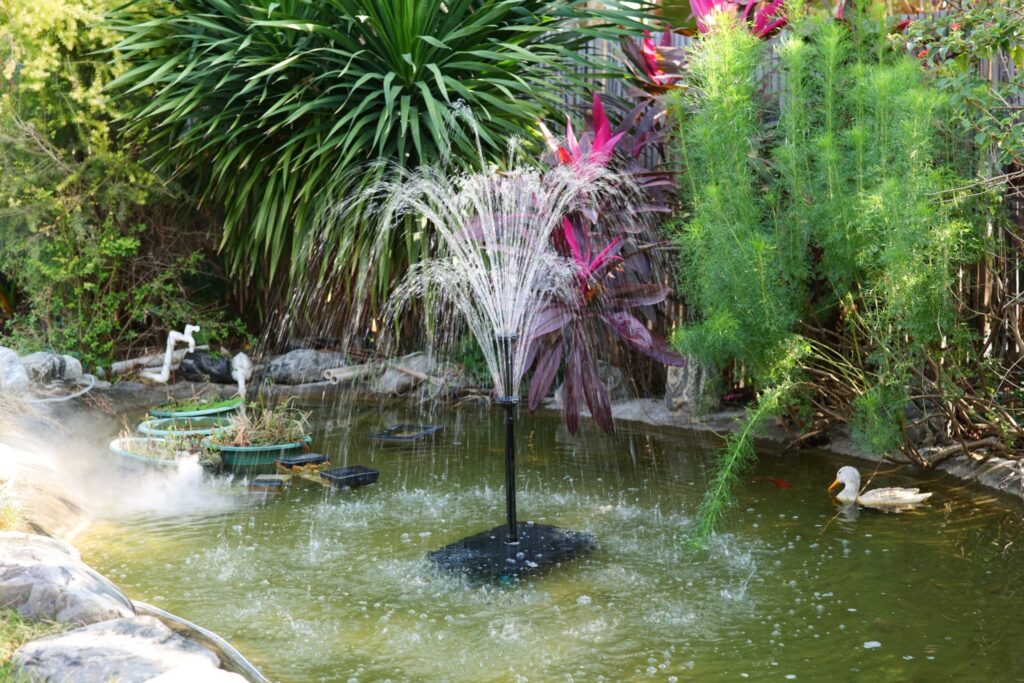
For decorative ponds with fountains, filtration improves visibility and enhances the overall visual appeal of the water feature. Crystal-clear water allows fountains and lighting systems to create a stronger visual impact.
How a Pond Filter Fountain Pump Works
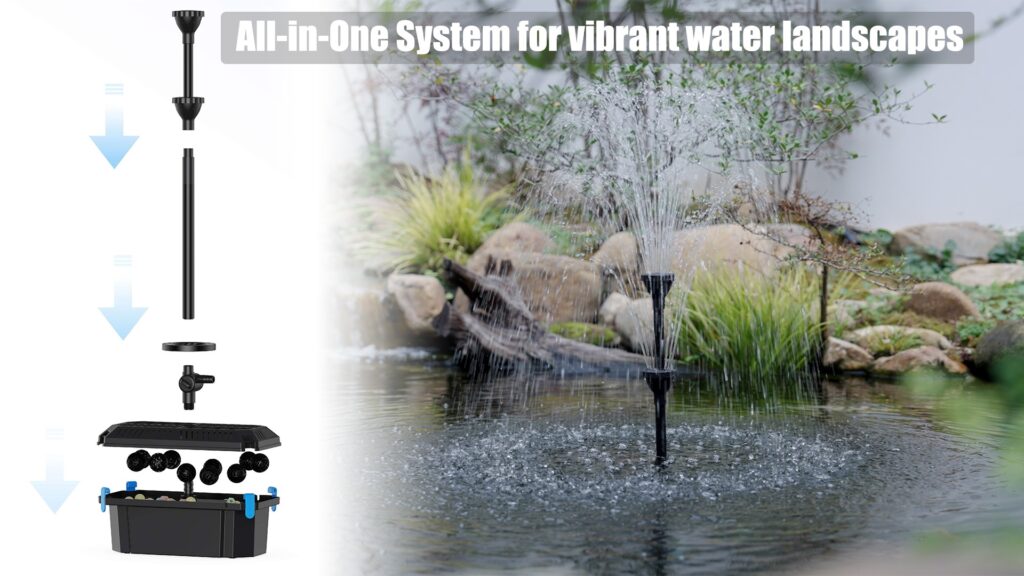
A pond filter fountain pump draws water from the pond and pushes it through a filtration chamber. Mechanical filters trap larger particles such as leaves and sediment before the water reaches biological media.
Beneficial bacteria living inside the biological filter break down harmful compounds such as ammonia and nitrites. This natural process helps maintain a healthier environment for fish and aquatic plants.
Once filtration is complete, the pump returns the clean water back to the pond through a fountain spray or waterfall outlet. The movement created by the fountain also improves oxygen levels in the water.
Benefits of Using a Pond Filter Pump
Installing a pond filter pump provides several advantages for both pond health and appearance. Water circulation prevents stagnation while filtration improves clarity and cleanliness.
The continuous movement of water also discourages mosquito breeding and helps distribute oxygen more evenly throughout the pond. This creates a better environment for fish and beneficial microorganisms.
Many pond owners also appreciate the visual appeal of fountain displays powered by a pond filter fountain pump. Flowing water adds sound, movement, and elegance to outdoor spaces.
Mechanical and Biological Filtration Explained
Mechanical filtration removes physical debris from the water. This includes leaves, dirt particles, algae fragments, and fish waste that would otherwise accumulate inside the pond.
Biological filtration uses beneficial bacteria to convert harmful waste products into safer compounds. This process is particularly important in ponds that contain fish populations.
A quality pond filter pump supports both filtration methods simultaneously. Together they provide a more stable and balanced aquatic environment.
Choosing the Right Pond Filter Pump Size
Selecting the correct pump size is one of the most important purchasing decisions. A pump that is too small may struggle to circulate enough water for effective filtration.
As a general guideline, many experts recommend circulating the entire pond volume at least once every one to two hours. Fish ponds may require even higher flow rates depending on stocking levels.
The desired fountain height and waterfall design also influence pump selection. Larger water features require stronger flow rates to achieve optimal performance.
Factors That Affect Pump Performance
Several variables influence the efficiency of a pond filter pump. Pond depth, pipe length, elevation changes, and filter resistance all affect flow performance.
The higher water must travel, the harder the pump needs to work. This reduction in flow is known as head height loss and should always be considered when selecting equipment.
Energy efficiency is another important consideration. Modern pumps often provide excellent performance while consuming significantly less electricity than older models.
Pond Filter Fountain Pump for Fish Ponds
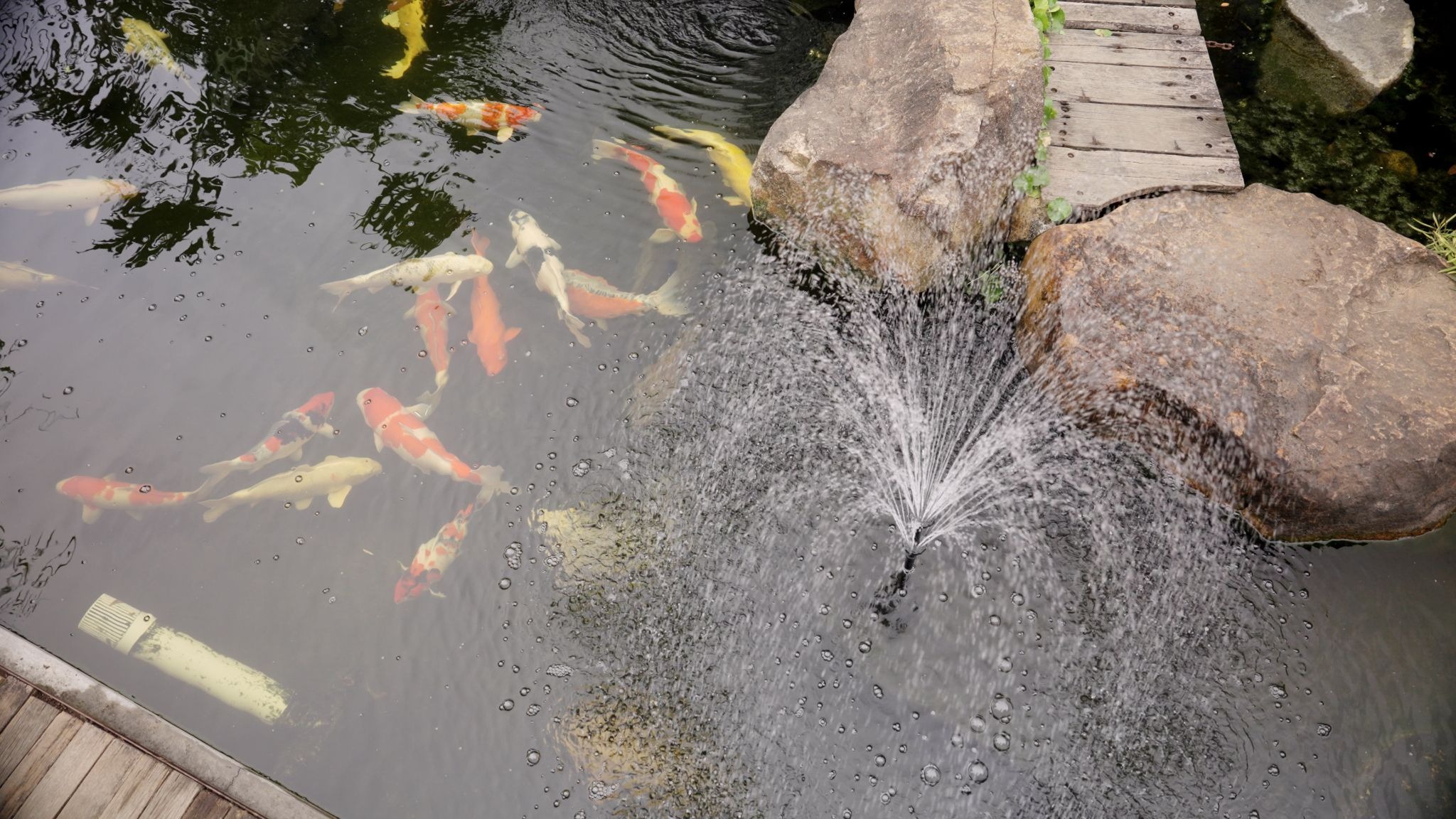
Fish ponds have unique filtration requirements because fish generate organic waste continuously. A properly sized pond filter fountain pump helps maintain safe water conditions for aquatic life.
The additional oxygen generated by fountains also benefits fish health during warmer weather when oxygen levels naturally decrease. Improved circulation prevents dead zones where waste can accumulate.
Reliable filtration reduces stress on fish and supports long-term ecosystem stability. This is especially important for koi ponds and heavily stocked ornamental ponds.
Maintenance Requirements
Regular maintenance helps maximize the lifespan and efficiency of a pond filter pump. Filter media should be inspected and cleaned according to manufacturer recommendations.
Pump intakes should remain free from blockages caused by leaves or algae accumulation. Restricted flow can reduce performance and increase energy consumption.
Seasonal inspections help identify wear before major failures occur. Preventive maintenance often extends equipment life significantly.
Energy Efficiency and Operating Costs
Energy efficiency has become a major consideration for pond owners. Since pumps often operate continuously, electricity consumption can affect long-term operating costs.
Modern pond filter fountain pump systems use efficient motor technologies that deliver high flow rates with reduced energy usage. This lowers operating expenses while maintaining excellent performance.
Choosing an energy-efficient model can result in noticeable savings over the lifetime of the equipment. Lower electricity consumption also benefits environmental sustainability.
Common Mistakes When Buying a Pond Filter Pump
Many buyers choose pumps based solely on price rather than performance requirements. This often results in undersized systems that struggle to maintain water quality.
Ignoring head height calculations is another common mistake. A pump may appear powerful on paper but perform poorly once installed in a real pond environment.
Failing to consider future pond expansion can also lead to unnecessary replacement costs. Selecting slightly higher capacity equipment often provides greater long-term flexibility.
Future Trends in Pond Filtration Technology
Advancements in pond equipment continue to improve filtration efficiency and user convenience. Smart monitoring systems are beginning to provide real-time performance data for pond owners.
Variable-speed motors allow pumps to adjust output based on seasonal requirements and energy demand. These technologies improve efficiency while reducing operating costs.
Future pond filter pump systems are expected to become even quieter, more efficient, and easier to maintain. This will continue making pond ownership more accessible for homeowners.
Conclusion
A reliable pond filter pump is essential for maintaining healthy water conditions and enhancing the beauty of any pond or fountain installation. Proper filtration improves water clarity, supports aquatic life, and reduces maintenance requirements.
Choosing the correct pond filter fountain pump ensures efficient circulation, healthier fish habitats, and better fountain performance. Investing in quality equipment delivers long-term benefits for both appearance and functionality.
Whether you manage a decorative garden feature or a large fish pond, selecting the right filtration system is one of the most important decisions for long-term success.