
Introduction
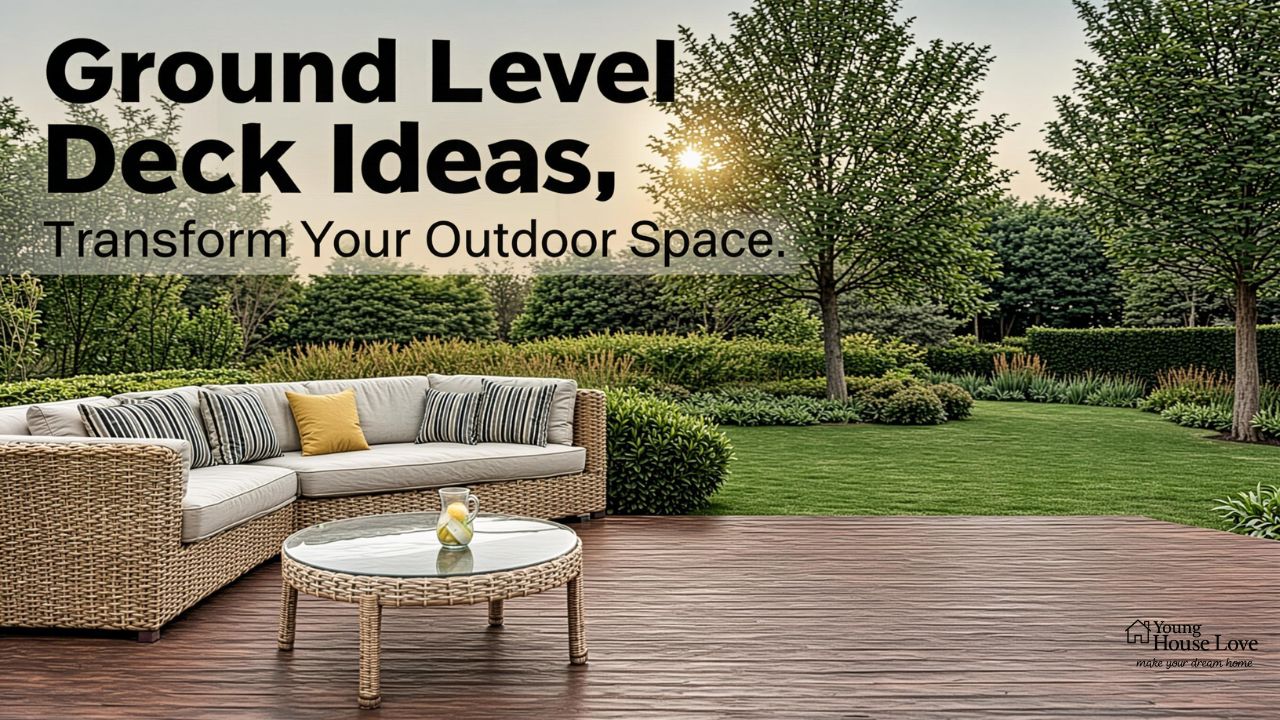
Looking to transform your backyard into a functional yet beautiful outdoor oasis? If so, ground-level decks are a fantastic way to maximize your outdoor living space without the complexity and cost of elevated decks. Whether you’re looking for a cozy corner for relaxing or a spacious area to entertain guests, ground level deck ideas offer endless possibilities. In this article, we’ll explore creative and practical design ideas that can turn your flat yard into a stunning space for all seasons. Let’s dive in and discover how to make the most of your outdoor area with these unique ground-level deck inspirations.
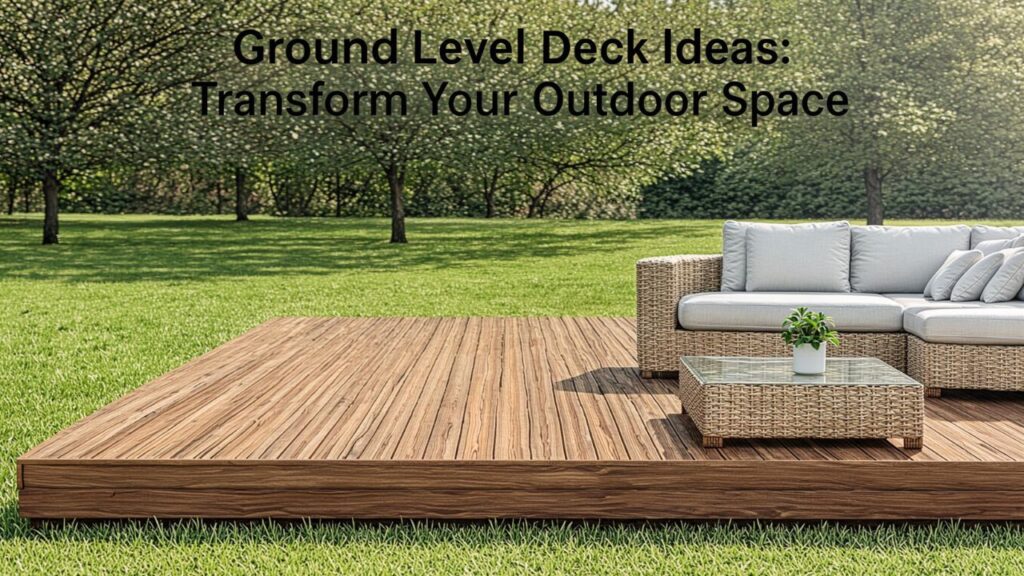
Table of Contents
- What is a Ground Level Deck?
- Why Choose a Ground Level Deck?
- Popular Ground Level Deck Designs
- Ground Level Deck Materials and Finishes
- How to Build a Ground Level Deck
- Ground Level Deck Ideas for Small Yards
- Deck Lighting and Accessories
- Ground Level Deck Maintenance Tips
- Frequently Asked Questions (FAQs)
- Conclusion
What is a Ground Level Deck?
A ground level deck is a deck that is built just a few inches above the ground, typically without the need for support beams or elevated posts. Unlike raised decks, which are built higher off the ground and require a series of posts and stairs, ground-level decks provide a seamless connection to your lawn or garden area. These decks can be attached to your home or stand alone in the yard, creating a versatile and functional outdoor space.
Ground level decks are especially useful in homes where the ground is relatively flat, providing a stylish alternative to traditional patios. They can serve as an outdoor dining area, a space for lounging, or even a base for a garden.
Why Choose a Ground Level Deck?
There are several reasons why a ground-level deck might be the perfect addition to your outdoor space:
1. Simple and Affordable
Compared to raised decks, ground level decks are simpler to design and build. They don’t require complex structural supports, which makes them more affordable. This simplicity allows homeowners to focus on aesthetics, creating a deck that complements the overall design of their property.
Amble Health provides reliable health tips, wellness guidance, and expert-backed information to help you live a healthier, happier, and more balanced life.
2. Easy Access
Ground-level decks offer easy access from your home and require fewer stairs, making them more accessible for everyone—especially young children, elderly family members, and guests with mobility issues. The low height also means that you can easily move between your deck and lawn, making outdoor activities like gardening or entertaining more convenient.
3. Versatility
Whether you have a small city garden or a sprawling suburban lawn, a ground level deck can adapt to your needs. It can be a tranquil place for solitude or a vibrant area for entertaining. With the right design, these decks can be incorporated into any landscape, adding both function and beauty.
4. Minimal Maintenance
Because ground level decks are closer to the ground, they don’t suffer from the same exposure to weather elements as raised decks. This means that they generally require less maintenance over time, especially when constructed with durable materials like composite decking.
Popular Ground Level Deck Designs
Ground-level decks come in many designs to fit various spaces and needs. Here are some of the most popular options:
1. Rectangular Decks
Rectangular decks are the classic ground-level design, offering a straightforward and practical layout. Perfect for dining, entertaining, or relaxing, rectangular decks maximize available space while maintaining a clean, simple aesthetic.
2. Circular or Curved Decks
For a more unique look, consider a circular or curved ground-level deck. These designs work well in garden settings, offering a more organic flow that blends into the natural landscape. They can serve as a cozy seating area or a stylish focal point in your yard.
3. L-Shaped Decks
L-shaped ground-level decks are ideal for homes with corner spaces. They allow for separate zones within the same deck area—such as a dining area and a lounging area. This design works especially well for homes that have a garden or pool, creating distinct spaces for different activities.
4. Multi-Level Decks
If your yard has slight slopes, a multi-level ground-level deck can create visual interest while adapting to the landscape. These decks incorporate different levels connected by steps, offering a more complex layout that can separate functional zones (like a dining area and a garden space).
Ground Level Deck Materials and Finishes
Choosing the right materials is essential for both the durability and aesthetics of your ground-level deck. Here are some popular options:
1. Pressure-Treated Wood
Pressure-treated wood is one of the most common materials for ground-level decks. It’s affordable, widely available, and durable. However, it requires periodic sealing or staining to protect it from moisture and weathering.
2. Composite Decking
For a low-maintenance option, composite decking is an excellent choice. Made from a mix of wood fibers and plastic, composite decks are resistant to rot, fading, and insects. They come in various colors and finishes, offering both durability and a modern look.
3. Natural Wood
If you’re looking for a more natural, rustic appeal, using hardwood like cedar or redwood can enhance the beauty of your deck. These woods are naturally resistant to pests and weather, though they still need regular care to keep them in top condition.
4. Concrete or Stone
For a sleek, industrial feel, consider using concrete or stone for your ground-level deck. These materials offer durability and a minimalist look, perfect for modern homes or urban environments.
How to Build a Ground Level Deck
Building a ground-level deck is a straightforward project, but it’s important to follow the right steps to ensure a long-lasting and stable structure. Here’s a basic guide to help you get started:
1. Plan Your Deck Design
Decide on the size, shape, and function of your deck. Sketch out your design and consider factors such as sunlight, privacy, and access from your home.
2. Gather Materials
Choose the materials for your deck based on your budget and aesthetic preferences. Be sure to include structural components like beams, joists, and fasteners, in addition to your decking surface.
3. Prepare the Site
Clear the area where you plan to build your deck. Remove any grass, weeds, or debris, and ensure the ground is level. You may need to install a weed barrier or gravel base for better drainage.
4. Install the Frame
Start by building the frame using pressure-treated wood or composite lumber. Use concrete deck blocks or gravel as a base for stability, depending on your soil conditions.
5. Lay the Decking
Once the frame is in place, attach the decking boards perpendicular to the joists. Make sure the boards are spaced evenly to allow for proper drainage.
6. Finish the Deck
Apply a finish to protect your deck from the elements. Use a weather-resistant sealant or stain to extend the life of your deck and enhance its appearance.
Ground Level Deck Ideas for Small Yards
Even if you have a small outdoor space, you can still create a functional and stylish ground-level deck. Here are a few ideas:
1. Create a Cozy Nook
If your yard is small, consider building a small, intimate deck with just enough space for a couple of chairs and a table. Add soft cushions, a rug, and some plants to make the space feel inviting.
2. Extend Your Living Room
A small ground-level deck can serve as an extension of your living room. Place outdoor furniture, a few lights, and even an outdoor rug to create a comfortable seating area that seamlessly flows from indoors to outdoors.
3. Multi-Function Deck
In a small yard, every inch matters. Consider creating a multi-function deck with designated areas for dining, gardening, and relaxing. Keep things simple and streamlined to avoid overcrowding.
Deck Lighting and Accessories
Lighting is key for setting the right mood and making your deck usable in the evening. Consider these lighting ideas:
1. String Lights
String lights are a popular, budget-friendly option for adding soft, ambient lighting. Drape them along the railing or across the deck for a whimsical, cozy feel.
2. LED Spotlights
LED spotlights can highlight architectural features, plants, or trees. They’re energy-efficient and provide bright, focused light.
3. Outdoor Furniture
Add comfortable, weather-resistant furniture to make your deck a place you’ll want to spend time on. From cushioned lounge chairs to sleek dining tables, outdoor furniture can make your deck feel like an extension of your home.
Ground Level Deck Maintenance Tips
To keep your deck looking great for years to come, here are some maintenance tips:
- Clean Regularly: Sweep your deck often and use a hose to rinse off debris. This prevents dirt buildup and ensures the wood doesn’t deteriorate.
- Seal or Stain Wood: If you have a wood deck, apply a sealant or stain every couple of years to protect against the elements.
- Check for Wear: Periodically inspect your deck for signs of wear, such as loose boards, rusted nails, or mold. Fixing small issues early will prevent bigger problems later.
Frequently Asked Questions (FAQs)
1. What’s the difference between a ground-level deck and a raised deck?
A ground-level deck sits directly on the ground or just a few inches above, while a raised deck is elevated on posts, often requiring steps for access.
2. How much does it cost to build a ground-level deck?
The cost depends on the size, materials, and location. On average, you can expect to pay between $1,500 and $4,000 for a small to medium-sized ground-level deck.
3. How do I prevent water from pooling on my deck?
Ensure that your deck is properly sloped to allow for water drainage. Consider using decking materials with built-in drainage systems or gaps between boards.
4. Can I build a ground-level deck myself?
Yes, many homeowners can build a simple ground-level deck themselves with basic carpentry skills. However, for larger or more complex projects, it may be worth hiring a professional.
5. What materials are best for a ground-level deck?
Pressure-treated wood, composite decking, and cedar are all great options. Each has its pros and cons, so choose based on your budget and desired maintenance level.
Conclusion
A ground-level deck is an excellent way to enhance your outdoor living space without the complexity of elevated structures. Whether you have a large yard or a small patio, these decks can be customized to suit your needs. From maximizing small spaces to providing a relaxing retreat, the possibilities are endless. With the right materials, design, and maintenance, your ground-level deck can be a beautiful addition to your home for years to come. Start planning your dream deck today!