Introduction
Imagine stepping into a room that exudes sophistication, charm, and timeless elegance. A Victorian living room is not just a place to relax—it’s an experience that takes you back in time to an era known for its lavish decor, intricate designs, and rich textures. Whether you’re living in a vintage home or simply seeking to bring the Victorian style into your modern space, the right touches can transform your living room into a sanctuary that’s both functional and filled with old-world charm.
In this article, we will explore how to create a Victorian living room, from the furniture and color palette to the décor and finishing touches. If you’re looking to embrace the grandeur and warmth of this iconic style, read on for practical tips and inspiration.

Table of Contents
- What Defines a Victorian Living Room?
- Key Features of Victorian Living Room Design
- How to Create a Victorian Living Room: Step-by-Step
- Victorian Color Palettes and Fabrics
- Furniture Choices for a Victorian Living Room
- Lighting in Victorian Living Rooms
- Decorative Accents and Accessories
- Maintaining a Victorian Living Room Style
- FAQ: Victorian Living Room Design
- Conclusion
What Defines a Victorian Living Room?
A Victorian living room is a hallmark of opulence, featuring a unique blend of bold patterns, rich textures, and historical elements that speak to the grandeur of the Victorian era (1837–1901). The style is rooted in a love for intricate detailing, dark woods, and luxurious fabrics. The goal is to create a space that feels both inviting and majestic, balancing comfort with aesthetics.
1. Ornate Detailing and Textures
Victorian rooms are known for their elaborate detailing, from ornate moldings and carved woodwork to decorative flourishes like tassels and frills. The rooms are often filled with luxurious textures such as velvet, silk, and brocade, making them feel rich and inviting.
2. Eclectic Mixing of Styles
While Victorian design is often associated with opulence, it’s also eclectic. The Victorian era saw the rise of various interior design movements, including Gothic Revival, Rococo Revival, and Queen Anne. This eclectic style means that your Victorian living room can incorporate a mix of these elements—just make sure that they blend harmoniously.
Key Features of Victorian Living Room Design
To truly capture the essence of a Victorian living room, certain design elements are essential. Let’s take a closer look at these defining features:
1. Heavy Drapes and Curtains
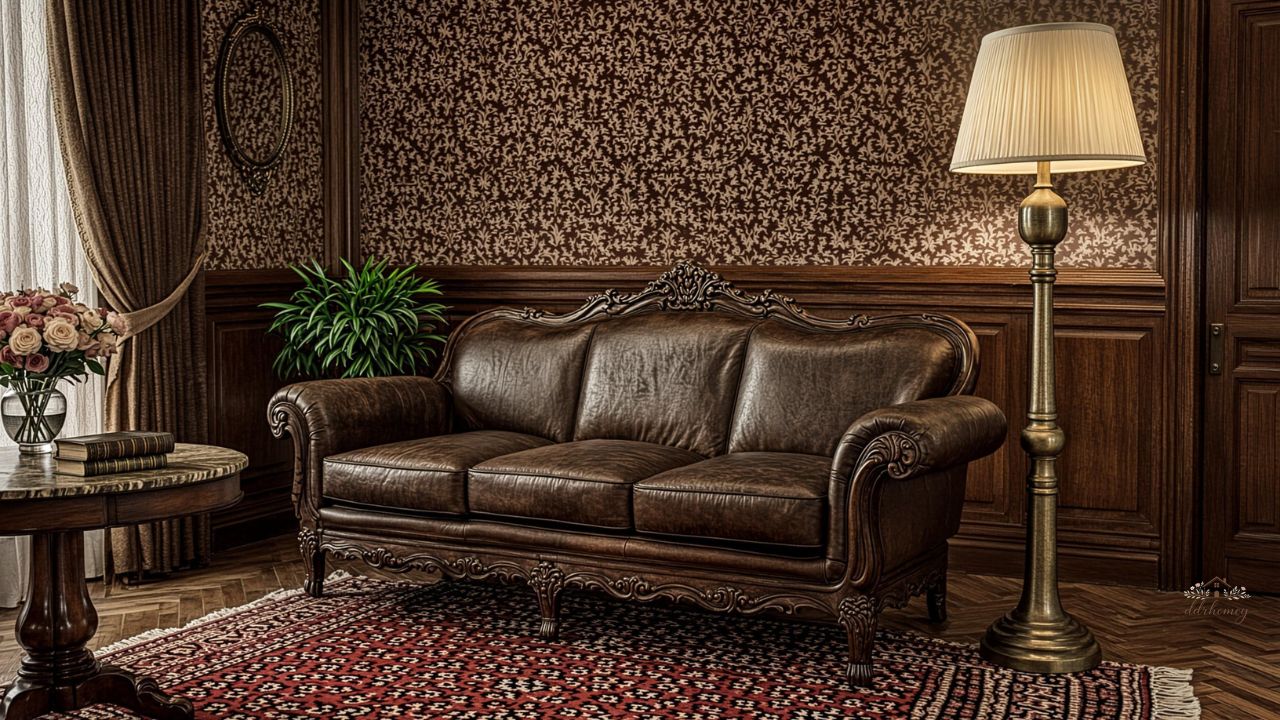
Victorian windows are often dressed in heavy, flowing drapes made from sumptuous fabrics like velvet, damask, or brocade. These curtains not only add a layer of sophistication but also help to frame the room, creating a sense of grandeur.
2. Intricate Molding and Paneling
Ceiling moldings, wainscoting, and detailed paneling are typical of the Victorian aesthetic. These elements add architectural interest and create an atmosphere of luxury. Whether you add detailed wood paneling or decorative ceiling accents, molding is a key element of this style.
3. Large, Decorative Mirrors
Mirrors with ornate frames are a hallmark of Victorian living rooms. These reflective surfaces not only brighten up the space but also create the illusion of a larger room, enhancing the opulent feel of the space.
How to Create a Victorian Living Room: Step-by-Step
Now that you understand the key features of a Victorian living room, let’s explore how to achieve this timeless look in your own home:
1. Start with the Walls
Begin by selecting rich wall colors like deep burgundy, forest green, or royal blue. These shades evoke the warmth and opulence of the Victorian era. To add texture and depth, consider wallpaper with floral or damask patterns, or use wood paneling for a more classic feel.
2. Choose Statement Furniture
Victorian furniture is heavy, ornate, and often made from dark woods like mahogany or walnut. Look for pieces with carved details, such as claw-foot chairs or chaise lounges. Upholstery in velvet or brocade fabrics is essential, and don’t shy away from mixing bold patterns to create a dynamic space.
3. Layer the Flooring
To complement the richness of the furniture, choose a floor covering that enhances the Victorian vibe. You can opt for hardwood floors with a glossy finish, or if you prefer more warmth and texture, a plush rug with intricate patterns will do the trick. Persian rugs were highly favored in Victorian homes and are a perfect addition.
4. Add Architectural Elements
To further enhance the Victorian aesthetic, consider adding crown molding or baseboards with intricate detailing. Decorative plasterwork can also be added to the ceiling to create the feeling of a high, majestic space.
Victorian Color Palettes and Fabrics
The right color scheme and fabrics are key to achieving an authentic Victorian living room. Let’s dive deeper into the Victorian approach to color and materials:
1. Rich, Deep Colors
Victorian living rooms were characterized by deep, jewel-toned hues. Think rich shades of emerald green, ruby red, and deep purple. These bold colors create a sense of luxury and sophistication. Pair them with neutrals like cream or ivory to avoid overwhelming the space.
2. Luxurious Fabrics
Velvet and silk are staples in Victorian design. Incorporate these luxurious fabrics in your furniture upholstery, curtains, and throw pillows. Brocade fabrics—richly patterned and often metallic—add another layer of grandeur.
Furniture Choices for a Victorian Living Room
When furnishing your Victorian living room, focus on statement pieces that combine comfort and grandeur:
1. Sofas and Chairs
Look for sofas and chairs with carved wooden frames and plush upholstery. Wingback chairs, button-tufted sofas, and chaise lounges are all excellent choices. Consider adding a settee or a fainting couch for that extra touch of Victorian glamour.
2. Coffee Tables and Side Tables
Choose tables made from dark wood with intricate carvings or gold accents. A marble top or a table with brass elements can enhance the period look, while still providing practicality for the modern-day living room.
3. Storage and Display Cabinets
Victorian living rooms often feature ornate display cabinets for books, curios, or fine china. Opt for a large, wooden armoire or a glass-front display cabinet to showcase vintage pieces.
Lighting in Victorian Living Rooms
Lighting plays a crucial role in setting the mood of your Victorian living room. Here’s how to do it:
1. Chandeliers
Nothing screams Victorian more than an ornate chandelier. Crystal chandeliers with intricate details or gilded brass fixtures are ideal for creating that majestic, elegant atmosphere.
2. Table Lamps and Wall Sconces
For additional lighting, use table lamps with richly decorated bases and fabric shades. Wall sconces with brass or gold finishes can complement the chandelier while adding ambient lighting to the room.
Decorative Accents and Accessories
The finishing touches can make a big difference in bringing your Victorian living room to life. Consider adding the following accessories:
1. Artwork and Mirrors
Large, gilded mirrors and classic oil paintings are iconic in Victorian spaces. Choose portraits or landscapes in ornate frames to evoke the period.
2. Throw Pillows and Blankets
Incorporate rich textures and colors through throw pillows and blankets. Velvet or silk cushions with intricate patterns and tassels will complement your upholstered furniture.
3. Antique Clocks and Figurines
A Victorian-style living room is not complete without a few antiques. Consider adding a mantel clock or delicate porcelain figurines to enhance the room’s character.
Maintaining a Victorian Living Room Style
Once you’ve created the perfect Victorian living room, maintaining its beauty and elegance is essential. Regular cleaning, fabric care, and furniture preservation are crucial to keeping your Victorian décor in top condition.
FAQ: Victorian Living Room Design
1. What furniture is essential for a Victorian living room?
Essential pieces include ornate sofas, wingback chairs, claw-foot tables, and display cabinets. The focus should be on rich materials like velvet, wood, and brocade fabrics.
2. Can I combine modern and Victorian styles?
Yes! Many people blend Victorian elements with modern touches to create a balanced look. For example, you can pair vintage furniture with minimalist modern accessories for an updated Victorian look.
3. What colors are best for a Victorian living room?
Deep, jewel-toned colors like emerald green, ruby red, and royal purple are ideal. Pair them with neutral shades such as cream, ivory, and gold to balance the look.
4. How can I add lighting to a Victorian living room?
Use chandeliers, table lamps with decorative bases, and wall sconces to create a warm and inviting atmosphere. Opt for rich materials like brass or gold for authenticity.
5. Are Victorian living rooms suitable for small spaces?
Yes, you can adapt Victorian design to smaller spaces. Opt for scaled-down furniture and minimize excess décor while still maintaining the essence of Victorian elegance.
Conclusion
Designing a Victorian living room is all about blending opulence, comfort, and character. By incorporating key elements like rich colors, ornate furniture, and luxurious fabrics, you can create a space that feels as grand as it is inviting. Whether you embrace the full Victorian aesthetic or blend it with modern touches, the Victorian style remains timeless and will continue to captivate homeowners for years to come. Enjoy creating your own Victorian-inspired sanctuary!