Introduction
There’s something incredibly satisfying about watching years of grime disappear in seconds. If you’ve ever wondered how to pressure wash and get that fresh, like-new look on your driveway, patio, or siding—you’re not alone.
Pressure washing isn’t just about blasting water at high speed. Done right, it can extend the life of your surfaces, improve curb appeal, and even protect your home from long-term damage. Done wrong, it can cause cracks, streaks, or worse.
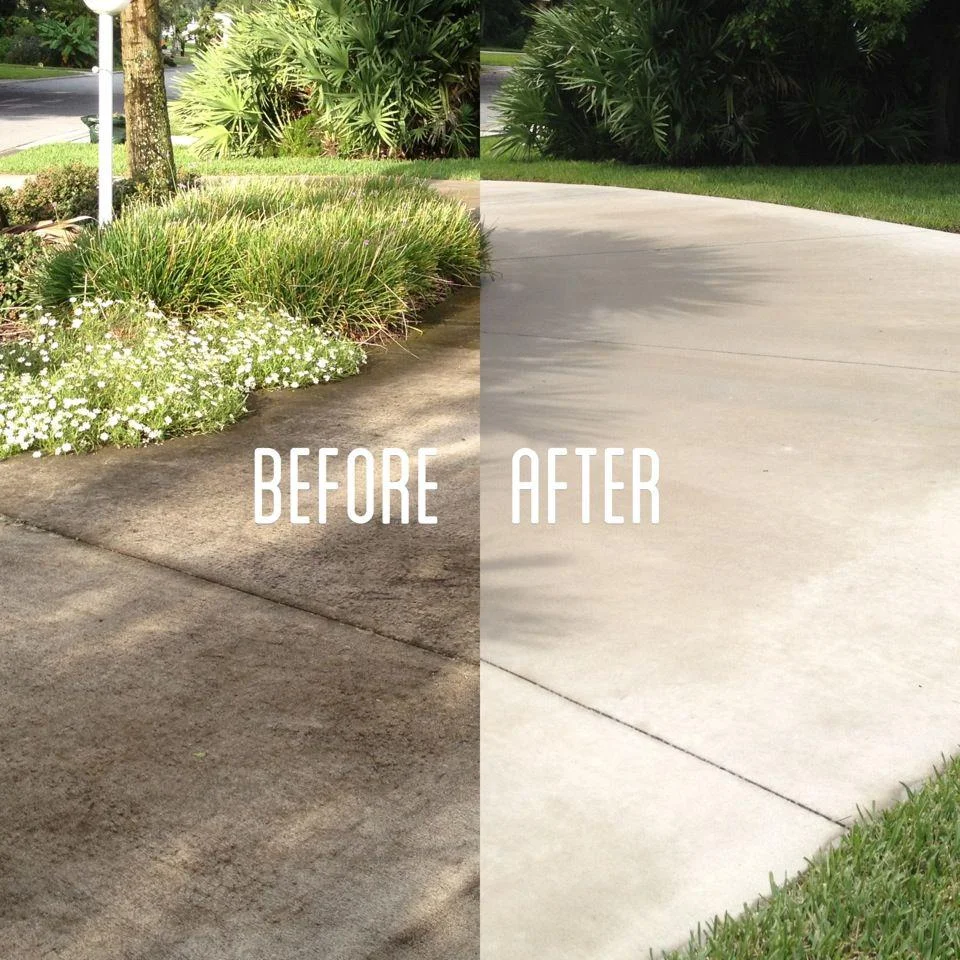
In this guide, you’ll learn how to pressure wash safely, effectively, and like a true pro—even if it’s your first time picking up a pressure washer.
What Is Pressure Washing and Why It Matters
Pressure washing uses high-pressure water spray to remove dirt, mold, mildew, grease, and stains from surfaces. It’s one of the fastest and most effective ways to clean outdoor areas.
It matters because buildup isn’t just ugly—it can be harmful. Mold and algae can degrade materials over time, while grease and grime can create safety hazards.
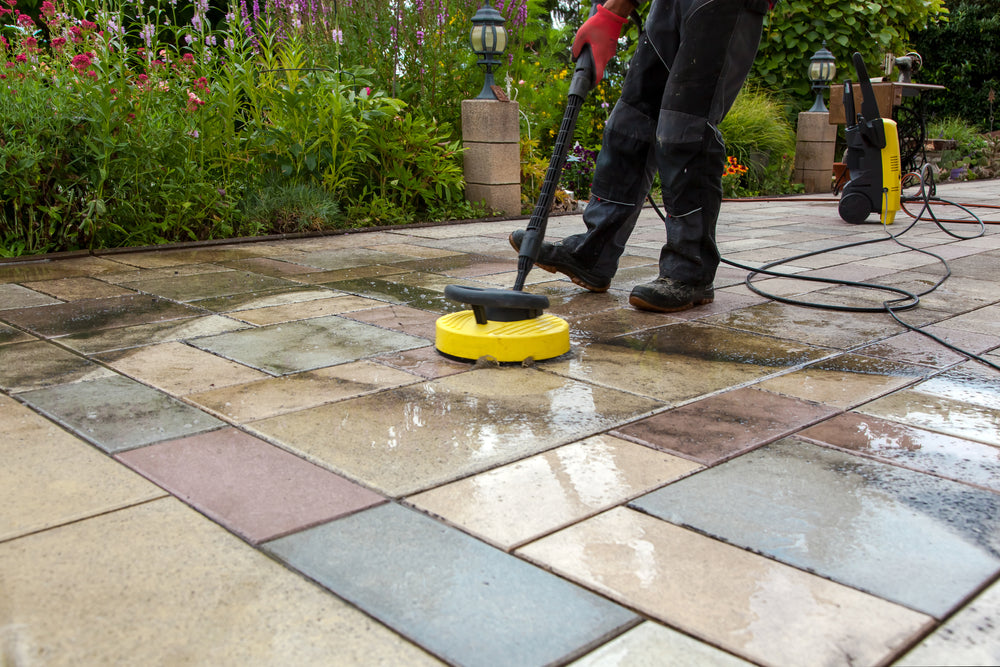
Regular cleaning helps maintain your home’s value and keeps surfaces looking fresh year-round. Once you understand how to pressure wash properly, you’ll see it’s one of the most useful maintenance skills you can learn.
Tools and Equipment You’ll Need
Before you dive into how to pressure wash, it’s important to have the right tools.
Essential Equipment
- Pressure washer (electric or gas-powered)
- Spray nozzles (various angles)
- Garden hose
- Cleaning detergents (surface-specific)
- Safety gear (gloves, goggles)
Choosing the Right Pressure Washer
There are two main types:
- Electric pressure washers: Best for light tasks like cars, patios, and furniture
- Gas pressure washers: More powerful, ideal for driveways, siding, and heavy-duty cleaning
A good rule of thumb: higher PSI (pounds per square inch) means more power—but also more risk if used incorrectly.
How to Pressure Wash Safely
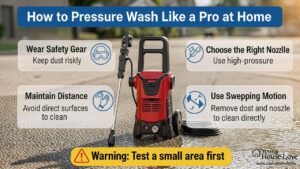
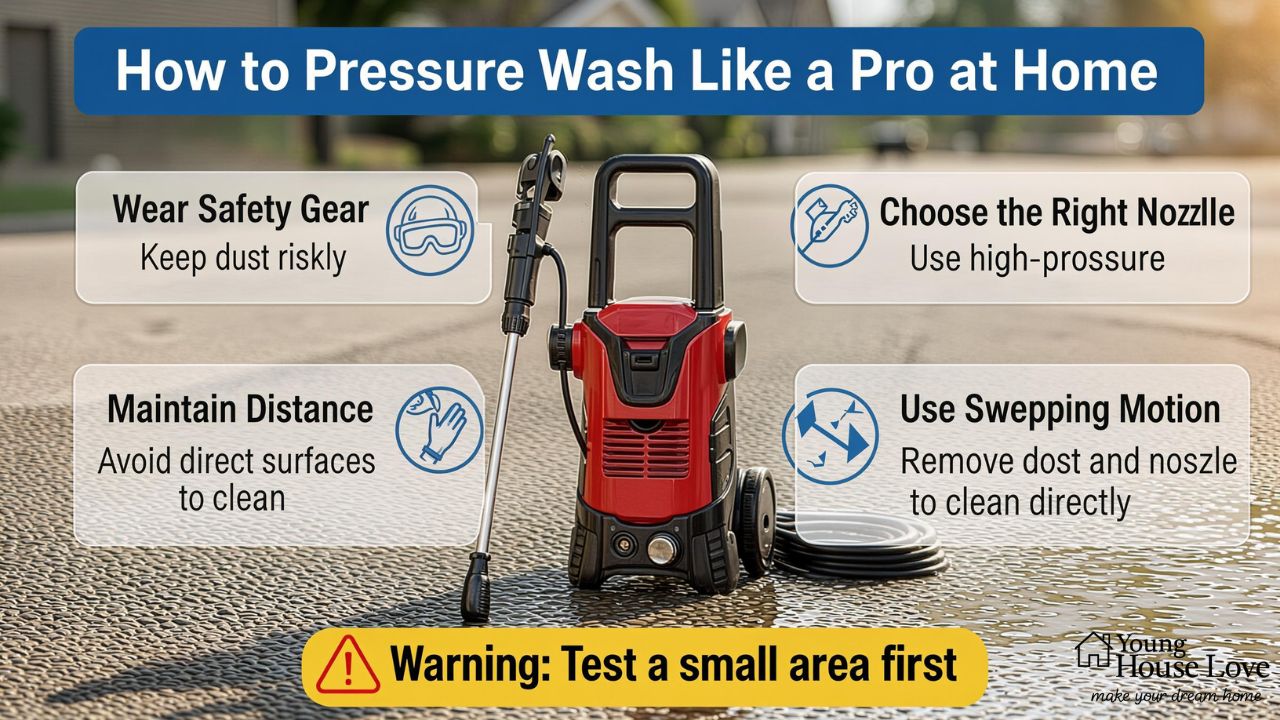
Safety should always come first when learning how to pressure wash. These machines are powerful enough to cause injury or damage surfaces.
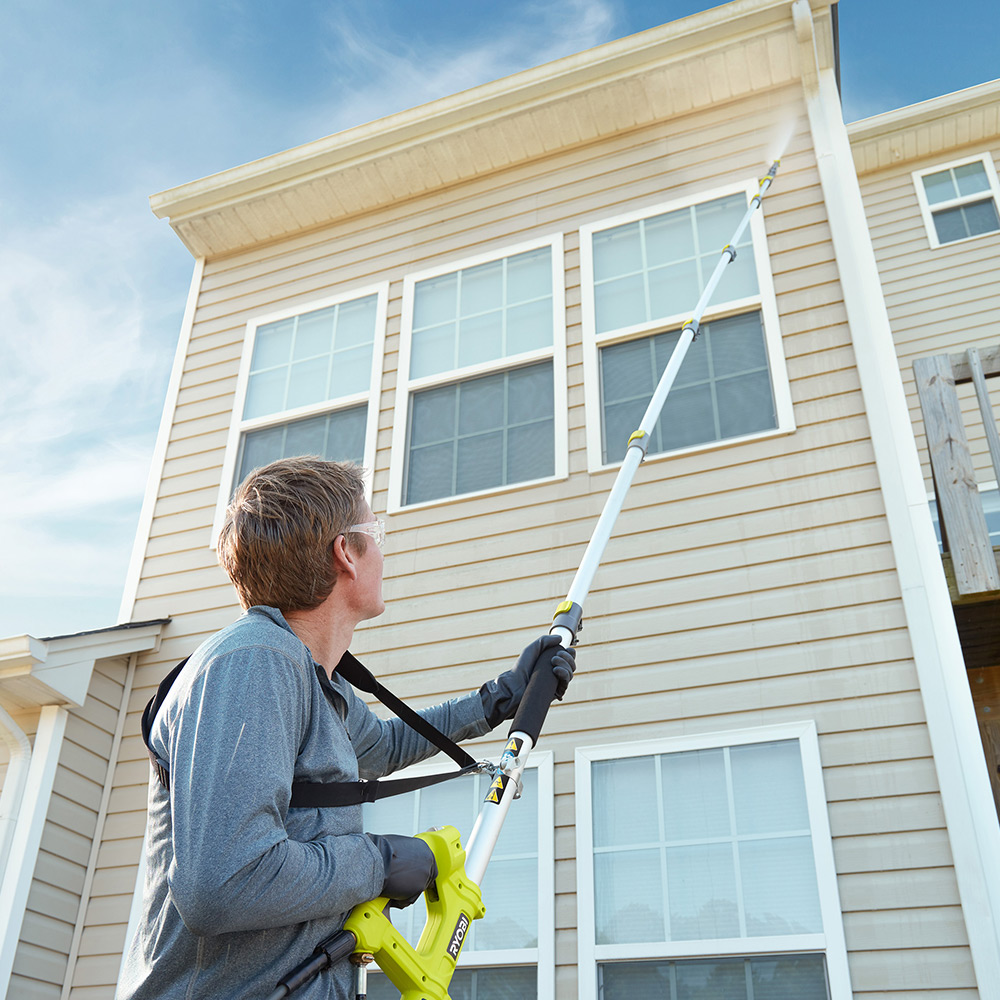
Key Safety Tips
- Never point the spray at people or pets
- Wear protective eyewear and gloves
- Keep a safe distance from surfaces at first
- Test pressure on a small hidden area

Understand Nozzle Angles
Different nozzles control spray intensity:
- 0° (red): Extremely powerful, rarely needed
- 15° (yellow): Heavy-duty cleaning
- 25° (green): General cleaning
- 40° (white): Light cleaning
- Soap nozzle: For applying detergent
Using the wrong nozzle is one of the most common mistakes beginners make.
Step-by-Step Guide on How to Pressure Wash
Now let’s get into the practical process of how to pressure wash effectively.
1. Prepare the Area
- Remove furniture, plants, and obstacles
- Sweep away loose debris
- Cover delicate items like outlets or fixtures
Preparation makes the cleaning process smoother and prevents accidental damage.
2. Apply Detergent
For tough stains, apply a cleaning solution first.
- Use a low-pressure setting
- Let it sit for 5–10 minutes
- Avoid letting it dry completely
This step helps break down dirt before rinsing.
3. Start Washing
Hold the nozzle about 12–18 inches from the surface.
- Use steady, overlapping strokes
- Work from top to bottom
- Keep the spray moving to avoid streaks
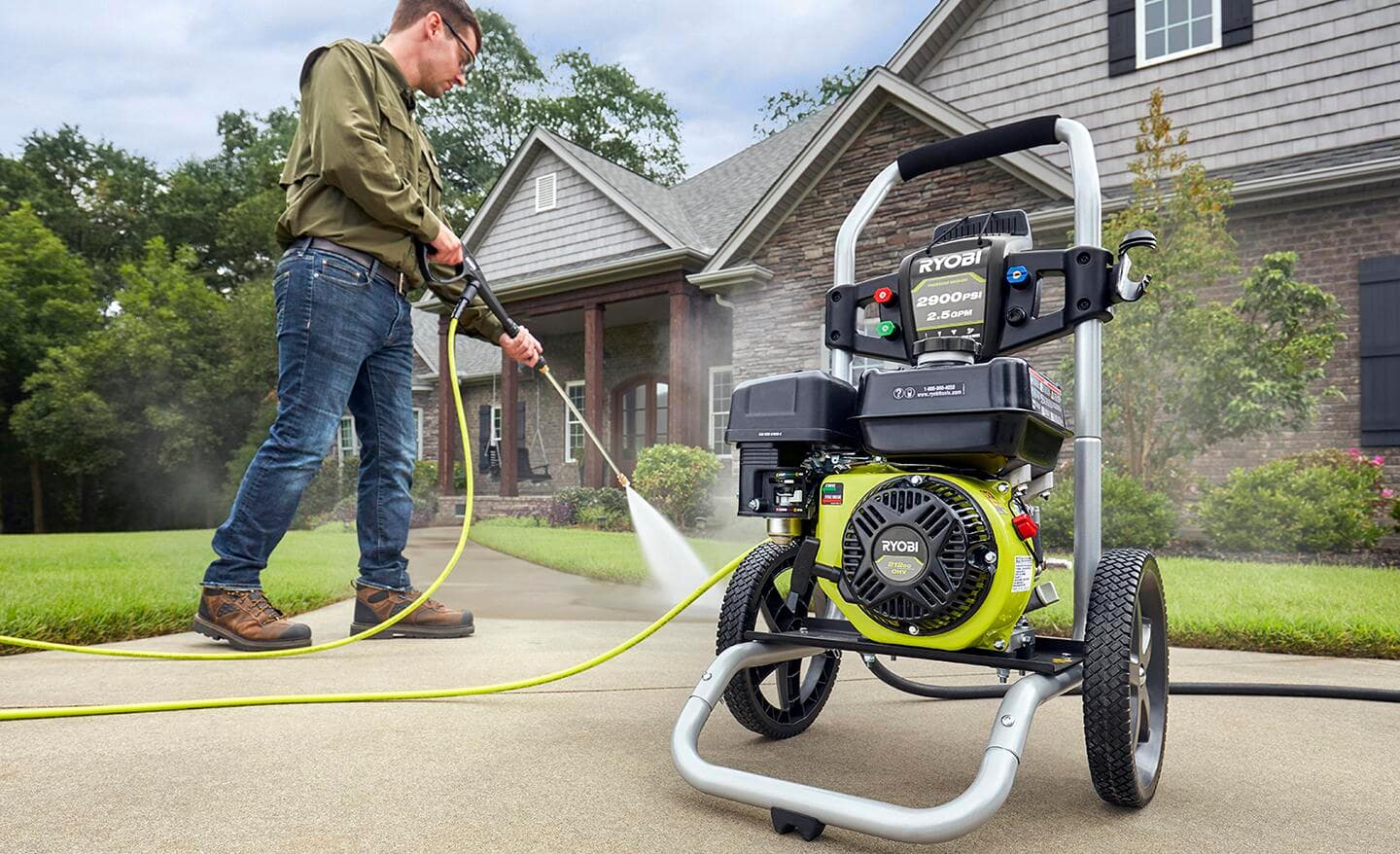
Consistency is key when mastering how to pressure wash.
4. Rinse Thoroughly
Switch to a higher-pressure nozzle and rinse away all detergent and residue.
- Make sure no soap is left behind
- Check for missed spots
5. Let It Dry
Allow the surface to air dry completely before using the area again.
Surfaces You Can Pressure Wash
Not all surfaces are created equal. Knowing where and how to pressure wash safely is essential.
Common Surfaces
- Driveways and sidewalks
- Decks and patios
- House siding (vinyl, brick)
- Fences
- Outdoor furniture
Surfaces to Be Careful With
- Painted wood
- Roof shingles
- Windows
- Old or cracked concrete
Using too much pressure can cause permanent damage, so always adjust settings accordingly.
Best Techniques for Professional Results
If you want your results to look professional, technique matters just as much as equipment.
Maintain Consistent Motion
Avoid stopping in one spot too long. This can create uneven marks or etching.
Work in Sections
Divide large areas into smaller sections to ensure even cleaning.
Use the Right Angle
Spray at a slight angle rather than directly perpendicular to prevent streaking and damage.
Keep Distance in Mind
Closer isn’t always better. Too much pressure up close can damage surfaces.
Common Mistakes to Avoid
Even experienced users can make mistakes when learning how to pressure wash.
Avoid These Pitfalls
- Using too much pressure on delicate surfaces
- Skipping detergent for tough stains
- Holding the nozzle too close
- Ignoring safety precautions
- Not testing on a small area first
Understanding these mistakes will save you time, effort, and costly repairs.
How Often Should You Pressure Wash?
Frequency depends on your environment and surfaces.
General Guidelines
- Driveways: Once or twice a year
- Siding: Every 1–2 years
- Decks: Annually
- Patios: As needed

If you live in a humid area, you may need to clean more often due to mold and mildew buildup.
Eco-Friendly Pressure Washing Tips
Cleaning doesn’t have to harm the environment.
Simple Eco Tips
- Use biodegradable detergents
- Avoid excessive water usage
- Sweep surfaces before washing
- Direct runoff away from plants
Being mindful of your cleaning process helps protect your surroundings.
FAQ
Frequently Asked Questions
Is pressure washing safe for all surfaces?
No, some surfaces like wood, shingles, and painted areas can be damaged if the pressure is too high. Always adjust settings accordingly.
How much PSI do I need for home use?
Most home tasks require between 1,300 and 3,000 PSI depending on the surface.
Can I pressure wash without detergent?
Yes, but detergent helps remove stubborn stains more effectively.
How long does pressure washing take?
It depends on the area size, but most jobs can be completed within a few hours.
Do I need professional help?
Not always. Once you learn how to pressure wash properly, many tasks can be handled yourself.
Can pressure washing damage concrete?
Yes, if the pressure is too high or the nozzle is too close, it can etch or crack the surface.
What’s the difference between power washing and pressure washing?
Power washing uses heated water, while pressure washing uses regular water at high pressure.
Is it okay to pressure wash a car?
Yes, but use low pressure and a wide-angle nozzle to avoid damaging the paint.
Conclusion
Learning how to pressure wash is one of those practical skills that pays off immediately. With the right tools, proper technique, and a little patience, you can transform dull, dirty surfaces into something that looks almost brand new.
Whether you’re tackling your driveway, siding, or patio, the key is to work carefully and consistently. Once you get the hang of it, you’ll wonder how you ever managed without it.